
Top Rice Mills: Your Ultimate Guide to Perfectly Milled Grain
When it comes to culinary staples that have transcended cultures and generations, rice stands out as a foundational element of diets worldwide. From the fragrant basmati of South Asia to the short-grain sushi rice of Japan, the journey from paddy to plate involves many intricate steps—none more critical than the milling process. The quality of milled rice can make or break a dish, influencing everything from flavor and texture to nutritional value. In this comprehensive guide, we dive into the world of rice mills, exploring the top facilities renowned for their commitment to excellence. Whether you’re a home cook, a restaurant owner, or an enthusiastic food aficionado, understanding the nuances of rice milling can elevate your culinary creations. Join us as we unveil the art and science behind perfectly milled grain, and discover how the right mill can transform your rice experience from ordinary to extraordinary.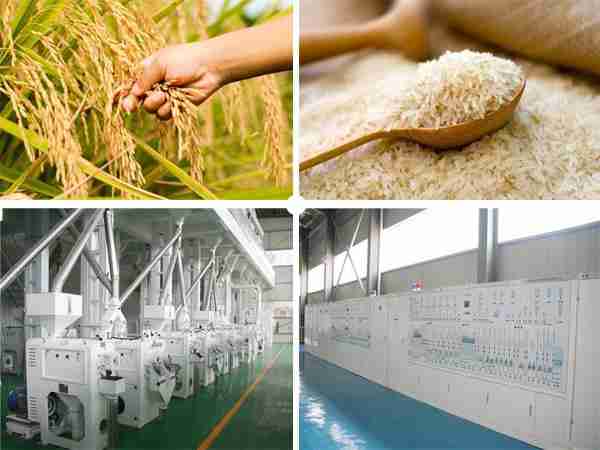
Exploring the Art of Rice Milling Techniques
Rice milling is an intricate process that transforms raw, hulled rice into a polished product, ready for consumption or further processing. Various techniques can dramatically influence the quality of the final grain, which is why understanding these methods is essential. Traditional milling, often done with stone or wooden mortar and pestle, retains more nutrients due to minimal processing. In contrast, modern milling utilizes advanced machinery, which can enhance efficiency but may strip some natural qualities from the grain. Additionally, the choice of milling method can affect the aroma, texture, and even nutritional value of the rice, making it vital for consumers to know what to look for.
Several key factors contribute to the effectiveness of rice milling techniques. These include:
- Equipment type: Variations in milling machines can either preserve or damage the kernel.
- Temperature control: High temperatures during milling can affect the flavor and quality.
- Grain moisture content: Ideal moisture content leads to better yield and quality.
- Polishing techniques: The level of polishing can determine the aesthetic appeal and texture of the final product.
| Milling Technique | Benefits | Drawbacks |
|---|---|---|
| Traditional | High nutrient retention | Labor-intensive; slower process |
| Modern | Efficient; high throughput | Potential loss of nutrients |
| Parboiling | Reduces cooking time; preserves vitamins | Complex process; uneven quality |
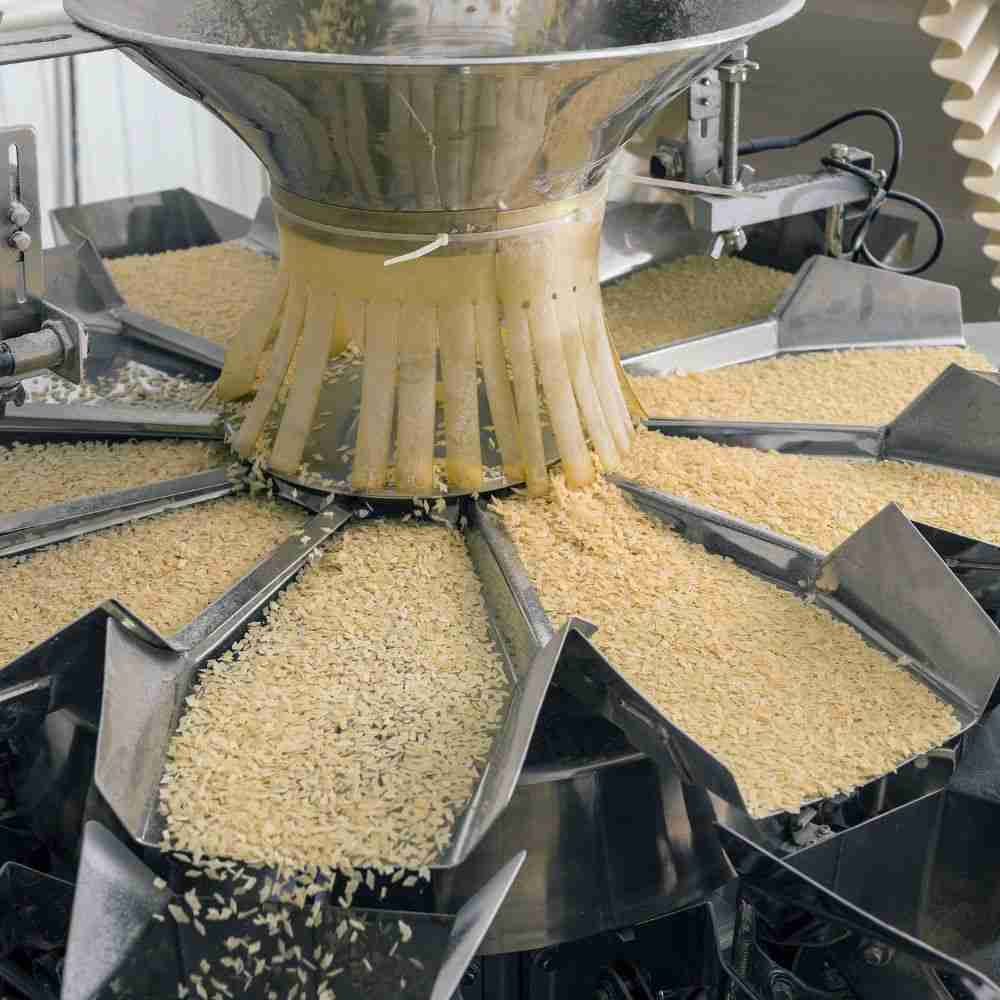
Essential Factors to Consider When Choosing a Rice Mill
When selecting a rice mill, it’s crucial to evaluate several key components that can significantly affect both the quality and efficiency of the milling process. Capacity is among the foremost considerations, as it directly correlates with your production needs. Ensure that the mill can accommodate your intended output, whether you’re processing small batches or planning for large-scale operations. Additionally, the milling technology employed by the machine plays a vital role in determining the texture and quality of the rice. Options range from traditional to modern, with each offering unique advantages.
Other essential elements include the energy consumption of the rice mill, which impacts operational costs and sustainability. Look for models that offer energy-efficient solutions without compromising performance. Furthermore, ease of maintenance should not be overlooked; machines that are user-friendly and come with accessible spare parts will save you time and reduce downtime. consider the manufacturer’s reputation and after-sales service, as a well-supported mill can greatly enhance your production experience. Here is a brief comparison of different milling technologies:
| Milling Technology | Advantages | Disadvantages |
|---|---|---|
| Traditional | Cost-effective, Simple operation | Lower output, Less precise |
| Modern | High precision, Greater capacity | Higher initial cost, Requires training |
| Automation | Efficiency, Reduced labor | Complex repairs, Higher energy consumption |
Highlighting Leading Rice Mill Brands and Their Unique Offerings
When it comes to selecting the perfect rice for your culinary creations, the brand you choose can make a significant difference. Among the market leaders, each rice mill boasts unique offerings catered to diverse tastes and cooking styles. One standout is Akash Rice Mills, renowned for their organic basmati rice, which is grown in the Himalayan foothills. Its fragrant aroma and extra-long grains make it a favorite for biryanis and pilafs. Meanwhile, Golden Grain Rice offers innovative fortified rice options, enriched with essential vitamins and minerals, perfect for health-conscious consumers looking to boost their nutrition while enjoying their meals.
Another brand gaining traction is Sundar Rice Mill, recognized for its commitment to sustainability and eco-friendly practices. They provide eco-label rice, ensuring a carbon-neutral footprint while delivering high-quality grains. Additionally, Bamboo Rice Mill specializes in premium short-grain rice, known for its sticky texture, ideal for sushi lovers and Asian cuisine enthusiasts. Their meticulous milling process preserves the rice’s natural flavor and nutrients, making it a go-to choice for chefs. With such a diverse array of options, discerning consumers can find the rice that best suits their palate and preferences.
| Brand | Specialty | Unique Selling Point |
|---|---|---|
| Akash Rice Mills | Organic Basmati Rice | Fragrant aroma; Extra-long grains |
| Golden Grain Rice | Fortified Rice | Enriched with essential vitamins |
| Sundar Rice Mill | Eco-label Rice | Sustainable, Carbon-neutral |
| Bamboo Rice Mill | Premium Short-grain Rice | Perfect for sushi; Sticky texture |
Sustainability in Rice Milling: A Look at Eco-Friendly Practices
The rice milling industry is experiencing a significant shift toward eco-friendly practices that not only enhance sustainability but also improve the quality of the milling process. Many top rice mills are embracing innovative techniques to reduce environmental impact while optimizing production. These practices include:
- Energy Efficiency: Utilizing energy-efficient machinery and renewable energy sources such as solar power to lower carbon footprints.
- Waste Reduction: Implementing systems for recycling by-products, such as rice husks, which can be converted into biofuel or used as organic fertilizer.
- Water Conservation: Employing advanced water management systems to minimize water usage during the milling process.
- Eco-Friendly Packaging: Switching to biodegradable or recyclable packaging materials to reduce waste generated by the industry.
Moreover, collaboration with local farmers plays a crucial role in promoting sustainable practices. By sourcing rice from farms that utilize organic farming methods, rice mills can support eco-friendly agriculture and ensure that their supply chains are as green as possible. This symbiotic relationship not only helps in maintaining biodiversity but also enhances community welfare. Below is a simple table showcasing some notable eco-friendly rice mills and their sustainable initiatives:
| Rice Mill Name | Location | Sustainability Initiative |
|---|---|---|
| Green Grains Mill | California, USA | Solar-powered operations |
| EcoMilling Co. | Bangalore, India | Zero waste processing |
| Pure Rice Mills | Vietnam | Organic sourcing |
Closing Remarks
achieving the perfect bowl of rice starts long before it reaches your kitchen—right at the very heart of the rice milling process. From the traditional methods steeped in history to state-of-the-art mills pushing the boundaries of technology, the journey of raw grain to a beautifully milled product is as fascinating as it is essential. By familiarizing yourself with the top rice mills and their unique approaches, you empower yourself to make informed choices, ensuring that each meal is not just sustenance, but a celebration of quality and flavor. So, whether you’re crafting a comforting risotto, a vibrant fried rice, or a simple bowl of steamed perfection, remember that the secret to your culinary success lies in the selection of the right grain. With this guide in hand, may your culinary adventures be filled with the joy of perfectly milled rice, one grain at a time.




