
In the heart of culinary cultures across the globe, rice stands as a timeless staple, cherished for its versatility and subtlety. Whether it forms the base of a hearty meal or serves as the canvas for intricate flavors, the quality of rice can elevate a dish from ordinary to extraordinary. As we delve into the realm of rice production, it’s crucial to recognize that not all rice is created equal; the source, processing, and milling methods play significant roles in its final form. This article embarks on a journey through the top rice mills, unveiling the best choices available for your culinary needs. From traditional techniques to innovative advancements, we will explore how these mills refine this humble grain into the perfect companion for your kitchen adventures. Join us as we sift through the grains, revealing the craftsmanship and dedication that define the finest rice producers around the world.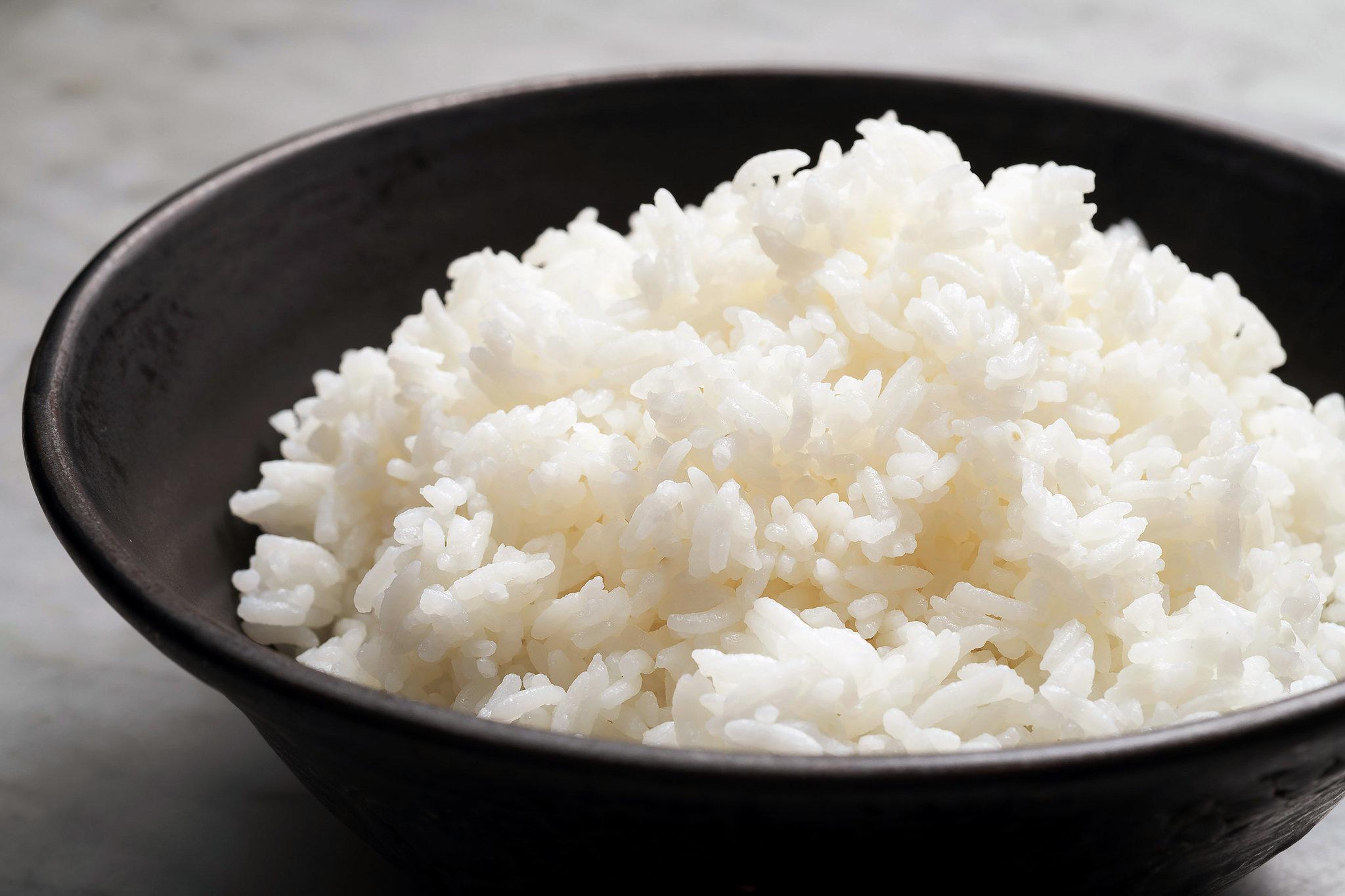
Exploring the Varieties of Rice: Choosing the Ideal Grain for Your Kitchen
When it comes to selecting the perfect rice for your culinary endeavors, understanding the various types is essential. Each variety of rice brings its own unique flavor, texture, and culinary application to the table. Some of the most popular types include:
- Basmati: Renowned for its fragrant aroma and long grains, it is ideal for Indian and Middle Eastern dishes.
- Jasmine: This Thai staple offers a delicate floral scent and a slightly sticky consistency, perfect for stir-fries.
- Sushi Rice: Short-grain rice that becomes wonderfully sticky, making it essential for sushi and rice balls.
- Arborio: A high-starch rice used primarily for risottos, creating a creamy texture that enhances any dish.
- Brown Rice: A whole grain variety packed with nutrients, it has a chewier texture and nutty flavor, great for health-conscious meals.
Choosing the right grain also depends on how you plan to prepare and serve it. For instance, if you want to create a flavorful biryani, opt for a high-quality basmati. If you’re leaning toward a comforting risotto, Arborio rice will truly shine. To help you better navigate your options, below is a simple comparison table of rice types:
| Rice Type | Texture | Culinary Use |
|---|---|---|
| Basmati | Fluffy | Curries, Pilaf |
| Jasmine | Slightly Sticky | Stir-Fries, Thai Dishes |
| Sushi Rice | Sticky | Sushi, Sashimi |
| Arborio | Creamy | Risottos |
| Brown Rice | Chewy | Healthy Options |

Essential Features of Quality Rice Mills: What to Look For
When searching for a quality rice mill, it’s essential to consider the technology and design that make these machines stand out. Advanced milling technology is a hallmark of top-tier rice mills, ensuring minimal grain breakage and maximizing yield. Look for mills that employ separation systems, effectively categorizing rice by size and shape. This not only enhances the appearance but also ensures even cooking.
Another crucial aspect is the durability and build quality of the rice mill. Materials such as stainless steel or high-grade alloy are preferable, as they resist internal wear and corrosion, prolonging the lifespan of the mill. Additionally, energy efficiency should not be overlooked; opting for machines equipped with energy-saving features can significantly reduce operational costs. To visualize some key characteristics to assess, consider the following table:
| Feature | Description |
|---|---|
| Technology | Advanced milling techniques for minimal breakage |
| Material | Durable stainless steel for longevity |
| Efficiency | Energy-saving mechanisms to cut costs |
A Journey Through the Top Rice Mills: Brands That Stand Out
Each brand in the realm of rice milling brings its own unique flavor to the table, often reflecting the regional nuances and traditional practices of rice cultivation. Basmati Bliss stands tall with its premium long-grain basmati rice, renowned for its aromatic qualities and fluffy texture when cooked. Originating from the foothills of the Himalayas, this brand encapsulates the essence of Indian cuisine, making it a staple for biryanis and pilafs. Meanwhile, Jasmine Jewel surprises with its organically grown jasmine rice, celebrated not only for its fragrant aroma but also for sustaining local farming communities. This brand embodies the perfect balance of quality and ethical sourcing, appealing to environmentally conscious consumers.
Additionally, Golden Grain Mills showcases a range of milled rice options, including parboiled and enriched rice varieties that cater to health-conscious families. Their commitment to maintaining high standards ensures that every grain is packed with nutrients and a delightful taste that complements any meal. Sapphire Rice Co. takes a different approach by offering a selection of specialty rices, including wild rice blends and unique heirloom varieties that promise to elevate everyday dishes into gastronomic experiences. Below is a snapshot comparing some of these standout brands:
| Brand | Specialty | Origin | Highlight |
|---|---|---|---|
| Basmati Bliss | Long-grain Basmati | India | Aromatic and fluffy |
| Jasmine Jewel | Organic Jasmine | Thailand | Sustainable sourcing |
| Golden Grain Mills | Parboiled, Enriched | USA | High nutrition |
| Sapphire Rice Co. | Specialty Blends | Various | Gourmet experiences |
Enhancing Your Culinary Experience: Tips for Storing and Cooking Rice
Storing rice properly is crucial for maintaining its quality and flavor. To ensure your rice remains fresh for as long as possible, consider using airtight containers. This helps prevent moisture and pests from compromising the grains. Moreover, it’s essential to store rice in a cool, dark place, away from direct sunlight and heat sources. Depending on the type of rice, its shelf life can vary significantly; for instance, white rice can last for years when stored correctly, while brown rice, due to its oil content, typically remains fresh for a shorter duration. Here are some tips for perfect storage:
- Use food-safe, airtight containers.
- Label your storage containers with the date of purchase.
- Store rice away from strong-smelling items, as it can absorb odors.
When it’s time to cook, understanding different techniques can transform your rice dishes from ordinary to extraordinary. Always rinse your rice under cold water before cooking to remove excess starch, which can result in a fluffier texture. The cooking method can significantly alter the final product; for instance, using the absorption method or the pilaf technique adds distinct flavors and aromas. Here’s a simple overview of these cooking methods:
| Method | Description |
|---|---|
| Absorption | Rice absorbs all water during cooking, yielding a firmer grain. |
| Pilaf | Rice is sautéed in oil before adding liquid, creating a richer flavor. |
Experimenting with different spices and cooking techniques can lead to delightful surprises. Whether you’re serving plain rice as a side or using it as a base for vibrant stir-fries and casseroles, the possibilities are endless. Enjoy the journey of perfecting your rice cooking skills and enhance your overall culinary experience!
In Conclusion
As we conclude our exploration of the top rice mills, it’s evident that the right choice can transform your culinary experience. From the time-honored traditions of artisanal milling to the innovative techniques of modern companies, each rice mill brings something unique to the table. Whether you’re a home cook seeking the perfect basmati for your biryani, or a professional chef in search of the highest quality jasmine rice, understanding the offerings of these mills is essential.
With quality, sustainability, and flavor at the forefront of our selection, these top-tier rice mills not only provide a staple ingredient but also celebrate the diversity and richness of rice across cultures. As you embark on your culinary adventures, remember that every grain tells a story. Choose wisely, and may your dishes be as delightful as the rice you select. Happy cooking!




