
In the heart of culinary cultures around the world, few staples hold as much significance as rice. From fragrant jasmine grains that grace Thai dishes to hearty basmati served alongside rich curries, rice forms the backbone of countless meals. But the journey from paddy to plate is not merely a matter of chance; it begins long before the grains meet the pot. Enter the rice mill—a vital player in the agricultural narrative, unlocking the potential of each grain with precision and care. In this article, we will explore the top rice mills that stand as beacons of quality and innovation in the industry. We’ll dive into the intricate processes that transform harvested rice into the pristine product we cherish in our kitchens, highlighting how these mills ensure that each serving is not just a meal, but an experience. Join us as we unveil the craftsmanship and dedication behind some of the best rice mills, and discover how they continue to elevate the humble grain for food lovers everywhere.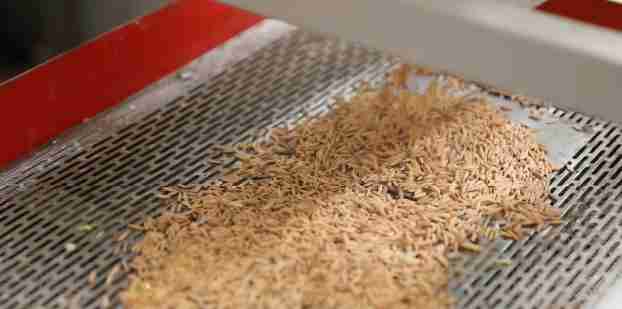
Exploring the Art of Rice Milling and Its Impact on Quality
The process of rice milling is a delicate balance of art and science, where tradition meets technology to transform paddy into the high-quality grains we savor in our meals. The milling process impacts not only the physical characteristics of rice, such as texture and appearance, but also enhances its nutritional profile. Techniques that prioritize gentle handling reduce broken grains, while optimal whitening processes ensure the preservation of essential nutrients. This meticulous approach has given rise to a variety of rice types, each with unique flavors and culinary applications, making it possible for home cooks and chefs alike to elevate their dishes.
Furthermore, the impact of advanced milling machinery has revolutionized the industry, allowing for more consistent quality and improved efficiency. Key features of modern rice mills include:
- Precision milling: Ensuring uniformity in grain size.
- Color sorting: Removing impurities and discolored grains.
- Minimized waste: Enhancing yield to maximize output.
By investing in the latest technologies, top rice mills not only maintain high standards but also meet the growing demand for organic and specialty rice varieties. This evolution of rice milling continues to transform how we think about and experience this staple food, making quality grains more accessible to every kitchen.
Understanding Different Rice Varieties and Their Culinary Applications
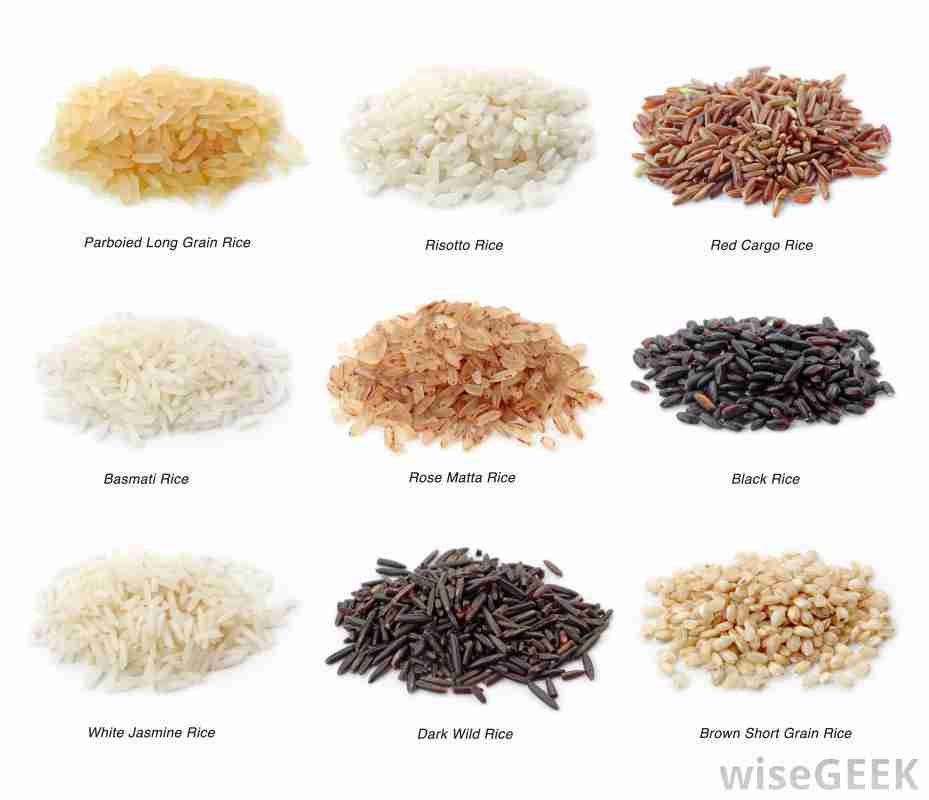
Rice is a staple food around the world, and its diverse varieties cater to a multitude of culinary styles and preferences. Each type of rice brings its own unique flavor, texture, and cooking attributes, making it essential for home cooks and professional chefs to choose wisely based on their dish requirements. For example, Jasmine rice is celebrated for its floral aroma and slightly sticky texture, making it ideal for Thai cuisine. On the other hand, Basmati rice, known for its long grains and nutty flavor, is a perfect pairing for rich Indian dishes like biryani. Other popular varieties include Arborio rice, typically used in risottos for its creamy consistency, and Brown rice, which retains its bran and germ layers, giving it a chewy texture and nutty flavor, often favored for health-conscious meals.
When exploring rice selections, it’s also beneficial to consider cooking methods that complement each variety. For example, sushi rice, which is short-grained and sticky, is best suited for Japanese sushi-making, allowing it to hold its shape as it is molded. Meanwhile, wild rice, although technically a grass, provides a unique crunch and is often mixed with other rice varieties for added texture in salads or side dishes. To better understand where each rice variety fits into the kitchen spectrum, take a look at the following comparison:
| Rice Variety | Texture | Culinary Use |
|---|---|---|
| Jasmine | Fluffy and slightly sticky | Asian dishes, stir-fries |
| Basmati | Light and fluffy | Indian biryanis, pilafs |
| Arborio | Creamy | Risottos |
| Brown | Chewy | Health-focused meals |
| Sushi | Sticky | Sushi rolls |
| Wild | Crunchy | Salads, mixed dishes |
Choosing the Right Rice Mill for Your Home: Features and Benefits
Choosing the right rice mill for your home involves understanding several essential features that determine its efficiency and quality of output. A good rice mill should offer multiple milling options, such as white rice, brown rice, or even specialty grains, allowing you to tailor your culinary preparations. Furthermore, consider models with advanced grain separation technology which minimizes breakage and ensures you get the best quality grains. Look for rice mills equipped with user-friendly controls and safety features to simplify the process, making it safe and hassle-free, especially for those who are new to grain processing.
Investing in a quality rice mill not only saves time and effort but also offers several benefits that enhance your cooking experience. For one, having a dedicated rice mill at home means you can enjoy freshly milled rice that retains more nutrients and flavor compared to store-bought options. Additionally, most modern rice mills come with compact designs, making them easy to store and ideal for kitchens of all sizes. Consider models that also provide easy cleaning and maintenance options, as this will promote longevity and enhance the overall value of your investment.
Sustainable Practices in Rice Production: A Commitment to Quality and Environment
In the quest for high-quality rice, leading mills are increasingly adopting sustainable practices that not only enhance the grain’s flavor and nutritional profile but also safeguard our planet’s resources. One of the fundamental approaches involves utilizing water-efficient irrigation methods that aim to reduce water wastage while maintaining optimal crop health. By implementing technologies like drip irrigation and rainwater harvesting, mills are revolutionizing traditional farming techniques. Other key strategies include:
- Crop Rotation: Fostering biodiversity and improving soil health.
- Integrated Pest Management: Minimizing chemical use via biological pest control.
- Organic Farming: Promoting natural fertilizers and sustainable pest solutions.
The commitment to quality and environmental responsibility also extends to post-harvest processing. Modern rice mills are increasingly investing in eco-friendly technologies that enhance production efficiency while reducing carbon footprints. This includes adopting renewable energy sources and waste management systems that ensure minimal ecological disruption. Some innovative practices adopted by these mills are:
| Practice | Impact |
|---|---|
| Solar-Powered Equipment | Reduces reliance on non-renewable energy sources. |
| Biodegradable Packaging | Minimizes plastic waste in the environment. |
| Waste Recycling Initiatives | Converts byproducts into value-added products. |
Concluding Remarks
As we conclude our exploration of the top rice mills shaping the culinary landscape, it becomes clear that the journey from field to kitchen is as intricate as it is vital. Each mill featured in this guide is a testament to the craftsmanship and dedication that goes into producing quality grains, ensuring that every rice dish can be a celebration of flavor and nutrition. With a commitment to excellence and sustainability, these mills have unlocked a world of possibilities for home cooks and chefs alike.
So, whether you’re stirring a fragrant risotto, crafting a comforting rice pudding, or whipping up a simple bowl of steamed rice, remember that the quality of your grain can make all the difference. By choosing rice from these esteemed mills, you are not just enhancing your meals but also supporting the art of rice milling and the communities behind it. As you venture into your next culinary creation, may you find inspiration in every grain and satisfaction in every bite. Happy cooking!




