
In the world of agriculture, few staples hold as much significance as rice. Revered for its versatility and essential role in cuisines across the globe, rice demands a production process that is both precise and efficient. At the heart of this process lies the rice mill – a vital facility that transforms raw paddy into the clean, polished grains that populate our plates. But with a vast array of rice mills operating worldwide, how do we distinguish the best from the rest? In this article, we embark on a journey through the top rice mills, exploring the innovation, technology, and craftsmanship that underpin their success. Whether you’re a local farmer, a distributor, or a culinary enthusiast, understanding the landscape of rice milling is essential for ensuring quality grains. Join us as we uncover the finest rice mills and offer insights to help you choose the right partner for your grain needs.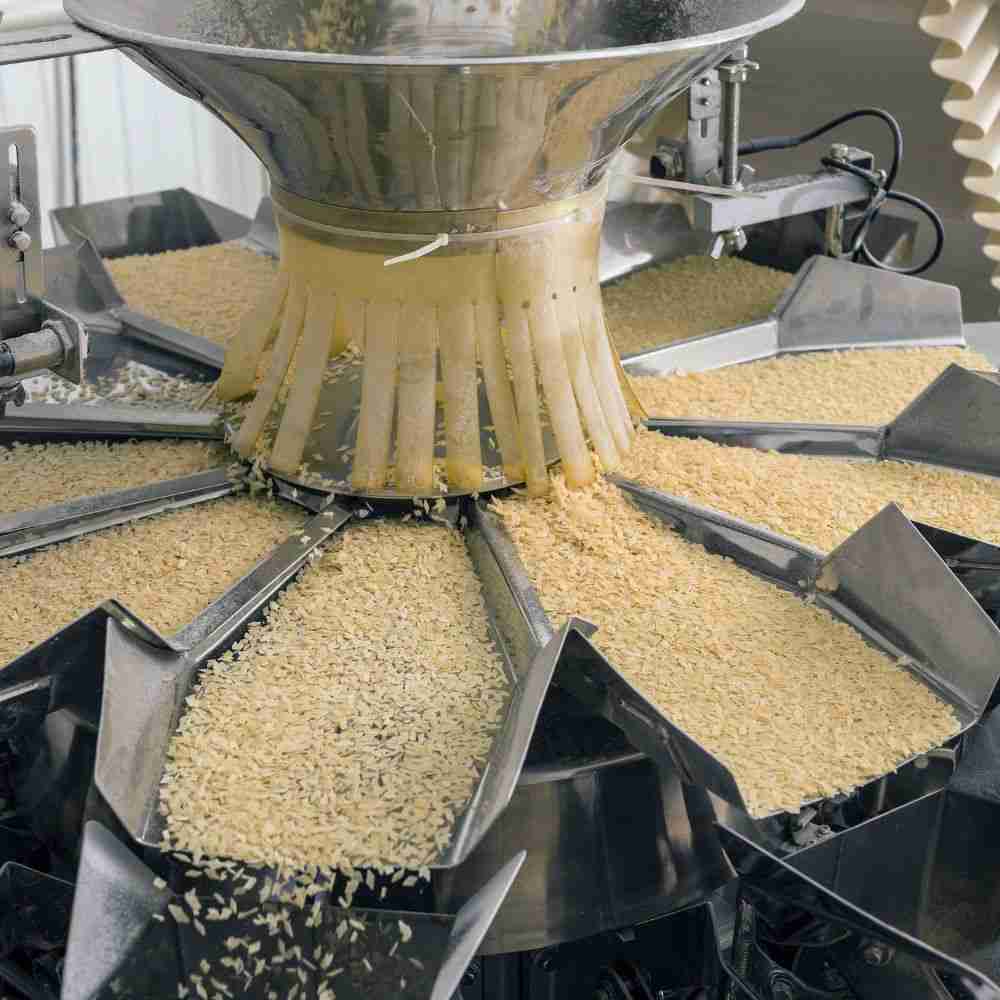
The Art of Rice Milling: Understanding the Process and Its Impact on Quality
Rice milling is a delicate balance between art and science, where the right combination of techniques and machinery transforms paddy into high-quality rice. The process begins with cleaning, where impurities are removed, preparing the grains for milling. Next, hulling separates the outer husk from the grain, significantly impacting the overall quality. Following this, polishing gives the rice its shiny appearance, but it’s essential to control the degree of polishing to ensure that the nutritional benefits of the bran are preserved. By fine-tuning these steps, rice mills can produce grains that not only look good but also retain their taste and nutritional value.
To truly understand the impact of milling on rice quality, it is crucial to consider the factors that influence the process. These include the quality of the paddy, environmental conditions, and technology employed in milling. Here is a simple comparison of common milling methods and their effects on quality:
| Milling Method | Impact on Quality | Nutritional Retention |
|---|---|---|
| Traditional Stone Mill | Retains more natural flavor | High |
| Modern Steel Mill | Faster production, polished finish | Variable |
| Parboiling Method | Enhances nutritional properties | Very High |
Choosing the right rice mill means understanding these differences and seeking out mills that prioritize quality and nutritional preservation. When looking for a mill, consider their reputation, customer reviews, and certifications. A strong commitment to quality not only ensures that you’re getting the best grains but also supports sustainable practices that benefit both growers and consumers alike.

Evaluating Key Features: What to Look for in a Top Rice Mill
When searching for a top-notch rice mill, it’s essential to consider several critical features that can significantly impact the quality of the final product. The capacity and efficiency of the mill are paramount; a good rice mill should be able to process a substantial quantity of rice in a timely manner without compromising quality. Additionally, look for technological advancements that enhance the milling process, such as automated systems for monitoring and adjusting settings in real-time. This ensures that each grain gets the perfect level of processing without excessive breakage or loss.
Quality control is another pillar in evaluating rice mills. A reliable mill will implement rigorous quality assurance protocols to ensure consistency in the output. Check if the mill utilizes modern polishing techniques, which can enhance the grains’ appearance and shelf life. To further aid in your decision, consider the following factors:
- Durability of equipment - Verify if the materials used are sturdy and can withstand continuous operation.
- Ease of maintenance – A mill that is easy to service will save you time and costs in the long run.
- Customer reviews – Researching user experiences can provide insights into the mill’s performance and reliability.
For a more comprehensive evaluation, you might want to consider the following comparative table highlighting essential features of different rice mills:
| Feature | Mill A | Mill B | Mill C |
|---|---|---|---|
| Capacity (kg/hour) | 500 | 750 | 1000 |
| Automation Level | Partial | Full | Full |
| Maintenance Needs | High | Moderate | Low |
| Price Range ($) | 2000-2500 | 3000-3500 | 4000-4500 |
By thoroughly assessing these features, you’ll be well-equipped to select a rice mill that aligns perfectly with your milling needs and preferences.
Exploring Leading Brands: A Comparison of Industry Favorites
When it comes to sourcing rice, the choice of mill can significantly impact both quality and flavor. Several brands stand out for their commitment to excellence, each bringing unique attributes to the table. Brand A is renowned for its traditional milling methods that preserve the authentic flavor and nutrients of rice, providing a wholesome product that appeals to health-conscious consumers. In contrast, Brand B has adopted innovative techniques that enhance efficiency and produce a cleaner, polished grain, popular among those who prioritize convenience in their cooking routines.
To choose the right rice mill, it’s essential to consider factors such as milling process, sustainability practices, and customer satisfaction. Here’s a quick comparison of leading brands:
| Brand | Milling Process | Sustainability | Customer Rating |
|---|---|---|---|
| Brand A | Traditional Stone Milling | 100% Organic Ingredients | 4.8/5 |
| Brand B | Modern Automated Process | Eco-friendly Practices | 4.5/5 |
| Brand C | Hand-Crafted Milling | Locally Sourced | 4.7/5 |
Each brand provides a unique experience for the consumer, whether it’s in terms of taste, environmental impact, or the convenience of preparation. As you search for the best rice mill for your needs, consider tasting different varieties, reading customer reviews, and exploring their product lines. This can lead to discovering the perfect blend of quality and grain that suits your cooking style.
Maximizing Your Investment: Choosing the Right Rice Mill for Your Needs
When selecting a rice mill, it’s crucial to prioritize the specific requirements of your rice production process. Consider factors such as capacity, efficiency, and technology. A mill that meets your operational scale can significantly reduce processing time and increase output. For example, if you run a small business, opt for a compact model that allows for easy maneuverability while still delivering quality results. On the other hand, larger operations might benefit from high-capacity mills equipped with advanced automation features, minimizing manual labor and enhancing productivity.
Another important aspect to evaluate is the quality of output. Look for mills that not only produce high-yield results but also retain the quality and nutritional value of the rice. Additionally, think about the costs associated with maintenance and operation, as this can impact long-term profitability. When researching your options, keep a checklist of desired features to compare different models effectively. Here are some considerations:
- Maintenance Requirements: Choose mills with easy access to components and clear servicing guidelines.
- Durability: A robust build is essential for longevity in high-demand environments.
- User-Friendliness: Intuitive controls and clear instructions can greatly reduce the learning curve.
Wrapping Up
As we conclude our exploration of the top rice mills, it’s clear that the world of grain processing is as diverse and intricate as the grains themselves. Selecting the right mill for your needs goes beyond simply choosing the biggest brand or the most affordable option; it is about finding a partner in the journey from field to table. Whether you value sustainability, innovation, or tradition, the ideal rice mill is out there, waiting to elevate your culinary experience.
With the insights we’ve shared, we hope you’re now equipped to make informed decisions that will not only enhance the quality of your grains but also resonate with your values and preferences. Remember, the story of rice does not end at the mill; it’s just the beginning. Each choice you make supports a larger ecosystem, influencing everything from farming practices to community welfare. As you embark on your journey toward finding the best rice mill, may your grains be of the highest quality and your meals satisfyingly delicious. Happy cooking!




