
Introduction: Navigating the World of Rice Mills for Culinary Excellence
In a world where culinary creativity knows no bounds, the quest for quality ingredients is paramount. Among the pantry staples that grace our kitchens, rice stands as a beloved foundation for countless meals, from the simplest of dishes to gourmet delights. However, the journey to perfecting your rice-based creations begins long before the grains meet the heat. Enter the rice mill — a crucial player in the journey of this cherished grain, where careful processing transforms raw paddy into the diverse varieties that elevate our culinary endeavors.
Whether you’re an avid home cook, a professional chef, or someone who simply appreciates the art of cooking, choosing the right rice mill can significantly impact your gastronomic experiences. With an array of options available, each offering unique textures, flavors, and nutritional profiles, this article aims to guide you through the landscape of top rice mills. Discover the key factors that set them apart, explore their specialties, and learn how to select the best fit for your culinary needs, ensuring that every grain on your plate reflects the dedication and craftsmanship that goes into its production. Join us as we delve into the fascinating world of rice mills, where the perfect grain awaits.
Understanding Different Types of Rice and Their Culinary Uses
Rice is a versatile staple that comes in numerous varieties, each with its own unique flavor, texture, and culinary application. Among the most popular types, Basmati rice stands out for its long grains and fragrant aroma, making it perfect for dishes like biryani and pilaf. Jasmine rice, with its slightly sticky texture, is a great complement to Thai curries and stir-fries. On the other hand, Arborio rice’s high starch content renders it ideal for creamy risottos, while glutinous rice, often used in Asian desserts, provides a chewy consistency that’s beloved in sweet rice cakes.
Each type of rice can significantly influence the outcome of your dish, creating a texture and flavor profile that can elevate your culinary creations. For instance, brown rice retains its bran and germ layers, offering a nutty flavor and greater nutritional value, making it a wise choice for health-conscious meals. Wild rice, although technically a grass, adds a unique earthy flavor and is often used in salads and side dishes. When selecting rice for specific recipes, consider not only the grain type but also the cooking method, as some varieties may require soaking or specific water ratios to achieve the desired result. Here’s a quick comparison to aid your selection:
| Type of Rice | Texture | Common Uses |
|---|---|---|
| Basmati | Fluffy, fragrant | Biryani, pilaf |
| Jasmine | Soft, slightly sticky | Thai curries, stir-fries |
| Arborio | Creamy | Risotto |
| Brown | Nutty | Health-focused meals |
| Wild | Earthy | Salads, side dishes |
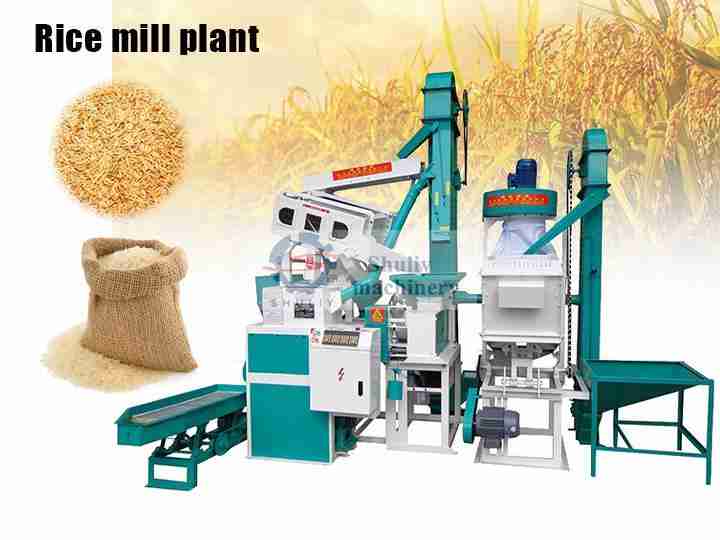
Key Features to Consider When Selecting a Rice Mill
When selecting a rice mill, it’s essential to consider a variety of features that can significantly influence both the efficiency of the milling process and the quality of the end product. One crucial aspect is the mill’s capacity, which dictates how much rice can be processed within a given time frame. It’s important to evaluate your needs—whether you require a small at-home mill or a larger model for commercial use. Additionally, consider the milling efficiency, often determined by the type of machinery and technology used; modern rice mills incorporate advanced mechanisms that not only boost output but also preserve the nutritional integrity of the rice.
Another significant factor is the ease of use and maintenance of the rice mill. User-friendly interfaces, along with clear instructions for upkeep, can greatly enhance your experience. Moreover, pay attention to durability and warranty options, as investing in a robust machine can save money and hassle in the long run. don’t overlook the importance of customer support and availability of spare parts, which can be a lifesaver should you encounter any issues with your mill. Here’s a simple comparison table to illustrate key features worth considering:
| Feature | Importance | Considerations |
|---|---|---|
| Mill Capacity | Determines processing speed | Small (1-5 kg), Medium (5-50 kg), Large (50+ kg) |
| Milling Efficiency | Impacts rice quality | Modern tech vs. traditional |
| Ease of Use | Enhances user experience | Intuitive controls and maintenance |
| Durability | Long-term investment | Materials and build quality |
| Customer Support | Reduces downtime | Availability of parts and service |
Top Recommendations for Quality Rice Mills on the Market
When it comes to selecting a rice mill that truly delivers quality, there are several standout options available that combine tradition with modern technology. Ideally, you want a mill that not only ensures the preservation of the grain’s natural flavor but also maximizes its nutritional value. Top brands prioritize features such as state-of-the-art milling techniques, user-friendly designs, and robust durability, making them excellent choices for your culinary needs. Here are a few key players in the mill market to consider:
- Brand A: Known for its precision milling, this brand offers a high-tech approach to rice processing.
- Brand B: This family-owned business emphasizes organic and locally sourced rice.
- Brand C: With a focus on sustainability, this brand integrates eco-friendly practices in rice production.
Moreover, it’s essential to consider the features and specifications that matter most, such as milling efficiency and ease of cleaning. You might want to compare some of these brands side by side to make an informed decision. The following table summarizes the core specifications of these top rice mills:
| Brand | Milling Efficiency (%) | Cleaning Mechanism | Price Range |
|---|---|---|---|
| Brand A | 95 | Automatic | $150 – $250 |
| Brand B | 90 | Manual | $100 - $200 |
| Brand C | 92 | Auto & Manual | $120 – $220 |
Ultimately, the right rice mill can enrich your cooking experience, bridging the gap between convenience and quality. Whether you’re prepping for a family dinner or experimenting with exotic rice varieties, choosing one of these acclaimed mills is a step toward culinary excellence. Each option on this list is designed to meet diverse preferences and ensure that your grains are processed to perfection.
Maintaining Your Rice Mill for Optimal Performance
To ensure your rice mill operates at peak efficiency, regular maintenance is essential. Cleaning the milling chamber and surrounding areas will prevent dust and rice husks from accumulating, which can hinder performance. Additionally, check the blades and rollers for wear and tear; dull blades can cause uneven milling and result in poor-quality rice. Periodically lubricating moving parts is crucial for smooth operation, reducing friction, and prolonging the life of your equipment. A maintenance schedule can help you keep track of these necessary tasks and ensure they’re completed consistently.
Moreover, consider monitoring the moisture content of your rice, as this significantly affects the milling process. High moisture can lead to clumping and spoilage, while excessively dry rice can crack during milling. Regularly calibrating the machine settings to match the specific type of rice you are processing is also vital. Below is a simple table summarizing the key maintenance tasks and their recommended frequency:
| Maintenance Task | Frequency |
|---|---|
| Clean milling chamber | Weekly |
| Inspect and sharpen blades | Monthly |
| Lubricate moving parts | Every 500 operating hours |
| Check moisture content | Before each batch |
To Wrap It Up
As we draw the curtain on our exploration of the top rice mills, it’s clear that the world of rice production is as diverse as the grains themselves. Each mill brings its unique touch to the table, offering a variety of grains that cater to a spectrum of culinary preferences and dietary needs. Whether you’re a seasoned chef seeking the perfect basmati for an elegant dish or a home cook looking for convenient options for your family meals, understanding the strengths of each rice mill will empower you to elevate your cooking experience.
selecting the right rice mill is less about brand loyalty and more about personal taste and quality assurance. Take the time to explore the offerings, engage with the stories behind each mill, and trust your palate. Remember, the best meals begin with the best ingredients—rice included. So as you embark on your culinary adventures, may your choice in rice mills guide you towards rich flavors and unforgettable dining experiences. Happy cooking!




