
In a world where culinary experiences are deeply intertwined with the quality of our ingredients, rice remains a staple that transcends cultures and cuisines. From the fluffy basmati served alongside fragrant curries to the sticky sushi rice that holds together delicate rolls, the type of rice we choose can elevate a dish from ordinary to extraordinary. However, the journey from paddy to plate hinges significantly on one critical player in the process—rice mills. These unseen heroes wield the power to transform harvested grains into the versatile rice varieties we rely on daily. But how do we identify the top rice mills that deliver not just on quantity but also on quality? In this article, we unpack the essential factors to consider when selecting a rice mill, guiding you towards the best choices for premium grains that promise to enhance your culinary adventures. Join us as we navigate the landscape of rice production, highlighting the mills that stand out for their commitment to excellence in every grain.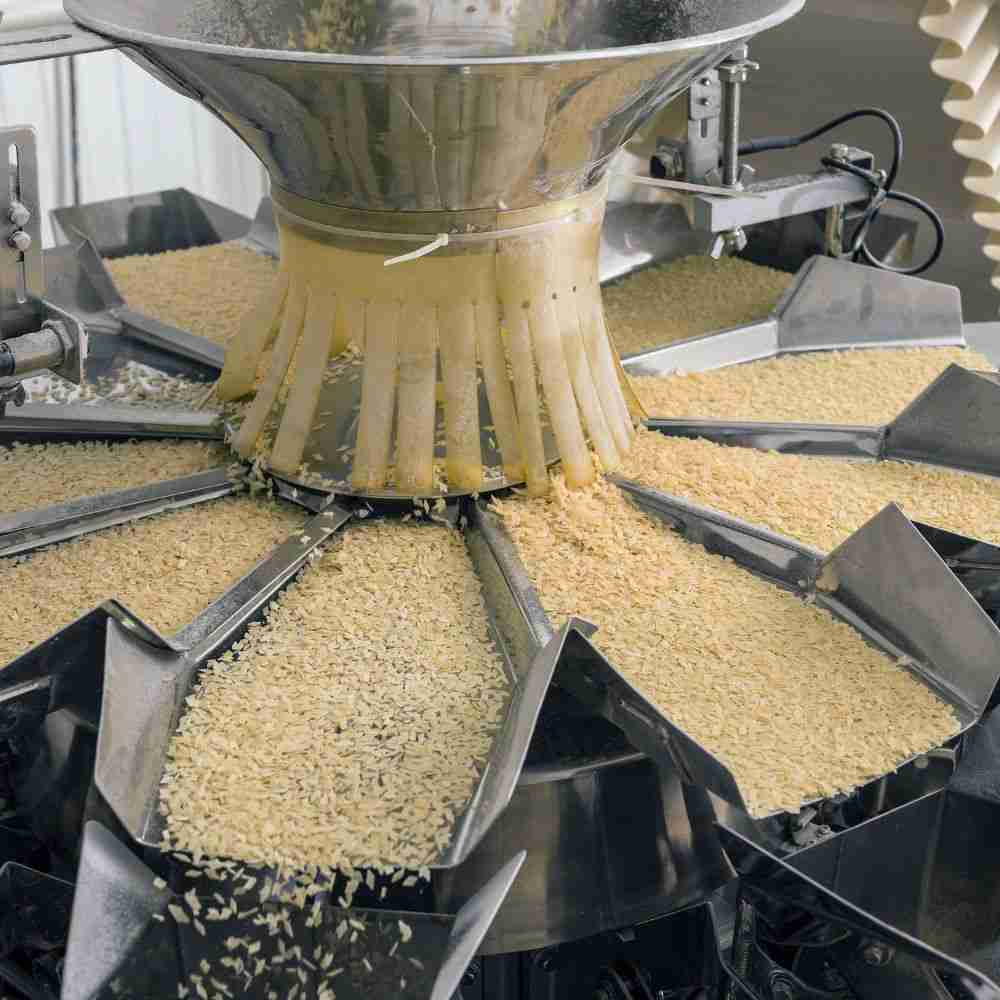
Understanding Rice Milling Processes to Evaluate Quality
Rice milling is a critical stage in transforming raw paddy into high-quality rice that meets market demands. The process involves several stages that significantly influence the final product’s quality. Initially, during the pre-cleaning phase, impurities such as stones, dirt, and other unwanted materials are removed. Following this, the hulling stage separates the husk from the brown rice. Quality mills employ advanced hulling methods that minimize kernel damage, preserving the grains’ integrity. The next step, milling, involves the removal of bran layers. Mills that use precision milling equipment can maintain a balanced removal process, which is essential for producing grains with a better appearance and nutritional profile.
Post-milling, the rice undergoes grading and polishing, where quality control takes the forefront. Grading sorts the rice based on size and quality, ensuring that only the finest grains are packaged for distribution. The polishing stage enhances the overall luster of the rice, contributing to its market appeal. To better understand these processes, one could consider a comparative analysis of different milling techniques:
| Technique | Advantages | Disadvantages |
|---|---|---|
| Traditional Milling | Lower energy costs | Higher kernel breakage |
| Modern Automated Milling | Higher efficiency and consistency | Higher initial investment |
| Organic Milling | Preserves nutritional value | Limited scalability |
By understanding the nuances of these processes, one can make informed decisions when selecting a rice mill, ultimately ensuring access to superior grains that cater to culinary preferences and nutritional needs.

Key Features to Look for in a Trusted Rice Mill
When selecting a reliable rice mill, it’s crucial to prioritize certain characteristics that ensure both quality and safety. Look for mills that adhere to quality certifications such as ISO, HACCP, or FSSAI, which reflect their commitment to food safety standards. Furthermore, consider the milling technology employed by the facility; advanced machinery often leads to better yield and less breakage. Mills that offer traceability allow consumers to know the origin of their rice, which cultivates trust in the product’s quality.
In addition to technical attributes, the rice mill’s customer service and support system can significantly enhance the buying experience. A responsive team can assist with inquiries and provide helpful information about the rice varieties offered. Moreover, seek mills with a transparent pricing structure and flexible delivery options. Here’s a quick comparison of key features to evaluate:
| Feature | Importance |
|---|---|
| Quality Certifications | Ensures adherence to safety standards |
| Milling Technology | Impacts yield and quality of grains |
| Traceability | Builds trust in product sourcing |
| Customer Service | Enhances overall buying experience |
| Transparent Pricing | Aids in avoiding hidden costs |
| Flexible Delivery | Facilitates better supply chain management |
Comparative Analysis of Leading Rice Brands
When evaluating leading rice brands, several key factors come into play that can significantly influence a buyer’s decision. Quality is often paramount, as it determines not just taste but also nutrition and cooking performance. Brands such as Basmati Paradise, known for its aromatic long grains, often come out on top for those seeking a premium experience. In contrast, more economical options like Golden Harvest may appeal to budget-conscious consumers while still delivering commendable taste and texture. Other considerations include packaging and sustainability practices, which can impact consumer choice, particularly for environmentally-minded shoppers.
Additionally, brand reputation plays an essential role in perceived quality. Many consumers rely on reviews and ratings to gauge the dependability of different brands. A quick comparison illustrates the varied attributes among these key players:
| Brand | Grain Type | Price per Pound | Sustainability Rating |
|---|---|---|---|
| Basmati Paradise | Long Grain | $2.50 | ★★★★☆ |
| Golden Harvest | Short Grain | $1.20 | ★★★☆☆ |
| Organic Fields | Medium Grain | $3.00 | ★★★★★ |
These comparisons highlight not just the quality aspect of rice grains, but also their price and sustainability, providing a well-rounded overview for consumers looking to make informed choices. By analyzing these pivotal factors, buyers can better appreciate the nuances of each brand, thus enhancing their rice selection process.
Sustainable Practices in Rice Milling: A Focus on Quality and Ethics
In modern rice milling, sustainable practices have emerged as vital components that intertwine quality with ethical responsibility. The focus on sustainable operations not only enhances the grading of rice but also leads to a more harmonious relationship with the environment. Mills committed to these practices often incorporate techniques such as:
- Water Conservation: Implementing systems to recycle water and minimize usage.
- Energy Efficiency: Utilizing advanced machinery that reduces energy consumption.
- Waste Management: Transforming by-products into compost or bioenergy.
- Organic Practices: Sourcing rice from farms that don’t use harmful pesticides or fertilizers.
Moreover, the emphasis on ethical sourcing ensures that farmers who grow rice receive fair compensation for their hard work, thus fostering a sustainable economic ecosystem. Top mills often maintain transparency throughout their supply chains, demonstrating commitment to both quality and ethics. A few factors are essential when considering such mills:
| Factor | Description |
|---|---|
| Traceability | Ability to trace rice from farm to mill to consumer. |
| Certifications | Recognition such as organic or fair trade. |
| Community Impact | Programs benefiting local farmers and communities. |
Insights and Conclusions
selecting the right rice mill can make a significant difference in the quality and taste of your grains. As we’ve explored, the top rice mills offer a blend of tradition, technology, and meticulous attention to detail, ensuring that every grain is processed to perfection. Whether you’re a culinary enthusiast seeking the finest ingredients or a business looking to source high-quality rice, understanding the features and reputations of these mills is essential.
As you embark on your journey to finding the best rice mill, remember that each option has its unique strengths and offers varying benefits. We encourage you to consider factors such as production methods, sourcing standards, and customer reviews. With thoughtful evaluation and a discerning eye, you’re bound to discover a rice mill that not only meets your needs but also elevates your culinary creations to new heights. May your pantry always be stocked with the finest grains, ready to inspire your next delicious dish. Safe travels on your rice mill journey!




