
In the vibrant tapestry of agriculture, where each thread is woven from the efforts of countless hands, rice mills stand as indispensable pillars of success. With their rhythmic hum and industrious spirit, these facilities transform the humble grain into a staple that nurtures billions. Far beyond mere processing, rice mills play a crucial role in enhancing food security, elevating local economies, and ensuring the sustainability of rice cultivation. As we delve into the intricate relationship between rice mills and agriculture, it becomes evident that their contributions extend far beyond the sorting and milling of grains. Join us on a journey to explore how these essential hubs of innovation and efficiency are sowing the seeds of success in the agricultural landscape, shaping not only the future of rice production but also the livelihoods of communities around the world.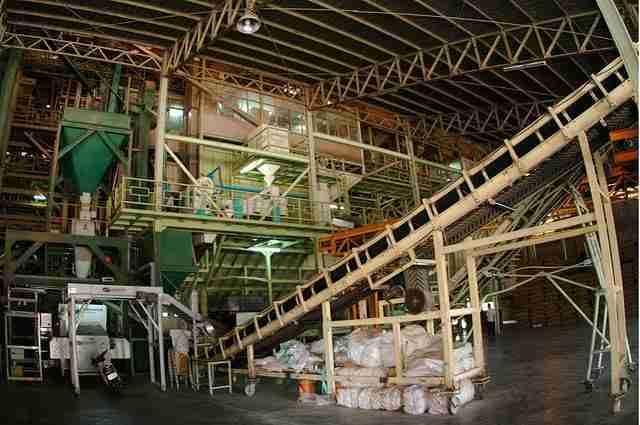
Understanding the Critical Function of Rice Mills in the Agricultural Ecosystem
Rice mills serve as the backbone of rice production, acting as crucial intermediaries between the farmers who cultivate the crop and the consumers who enjoy its bounty. Through various processes, these mills transform raw paddy into the polished grains that grace our tables. The critical functions they perform include hulling, milling, and storage, each contributing to the overall quality and market readiness of rice. By removing husks and polishing grains, rice mills enhance the visual appeal and taste profile of rice, ensuring it meets consumer expectations. Additionally, they help in maintaining the nutritional aspects of the grains, as proper milling practices can retain essential vitamins and minerals.
The impact of rice mills extends beyond production; they also play a significant role in the local economy. By creating jobs, both directly in the mills and indirectly through the supply chain, these establishments help to bolster rural livelihoods. Moreover, their operations often include community engagement, where they support local farmers by providing services such as training, technical assistance, and access to markets. This symbiotic relationship fosters a sense of sustainability within the agricultural ecosystem. Below is a simple table highlighting some of the benefits rice mills offer:
| Benefit | Description |
|---|---|
| Job Creation | Generates employment opportunities within local communities. |
| Quality Improvement | Enhances the quality of rice through modern milling techniques. |
| Sustainability Support | Encourages sustainable practices and community development initiatives. |

Enhancing Quality and Efficiency: Innovations in Rice Milling Technology
Advancements in rice milling technology have transformed traditional practices, ensuring that mills operate at peak performance while preserving the quality of the rice produced. Innovative machinery now incorporates automated systems that streamline processing, reducing labor costs and human error. This automation not only enhances precision in milling but also enables real-time monitoring of grain quality, leading to improved consistency in the final product. Key features of modern rice mills include:
- Increased milling efficiency through the use of high-capacity machines.
- Energy-saving technologies that minimize environmental impact.
- Advanced dehusking and polishing techniques to maintain nutritional value.
- Data analytics and smart sensors for optimizing production workflows.
Moreover, the integration of eco-friendly practices in rice milling is reshaping the industry. With a strengthened emphasis on sustainability, mills are adopting waste reduction techniques and exploring alternative sources of energy like biomass. The following table summarizes key innovations contributing to both quality and efficiency within rice milling:
| Innovation | Benefit |
|---|---|
| Automated grading systems | Enhances consistency and quality assessment. |
| Integrated quality control sensors | Real-time monitoring reduces spoilage. |
| Heat recovery systems | Improves energy efficiency and lowers costs. |
| Digital traceability tools | Increases transparency throughout the supply chain. |
Empowering Farmers Through Fair Practices and Sustainable Partnerships
In the delicate ecosystem of agriculture, the connection between farmers and rice mills is pivotal for fostering a culture of sustainability and equity. By prioritizing fair practices, rice mills have the power to enhance the lives of local farmers, ensuring they receive just compensation for their hard work. These mills create a platform where traditional farming methods and innovative technologies coalesce, resulting in improved grain quality and yield. Through transparent pricing and open communication, farmers are encouraged to engage more fully with the market, leading to:
- Better financial returns for farmers
- Investment in sustainable farming techniques
- Stronger community ties and cooperatives
Sustainable partnerships between rice mills and farmers can unlock untapped potential within local economies. These collaborations foster resilience against market fluctuations by providing resources such as:
| Resource Type | Benefit |
|---|---|
| Training Programs | Enhance farming skills and knowledge |
| Access to Seed Varieties | Increase crop diversity and yield |
| Microfinance Services | Support equipment and technology acquisition |
By leveraging these resources, rice mills not only secure their supply chains but also uplift the very foundation of the agricultural sector—its farmers. Investments in these relationships echo the broader goal of sustainable agriculture, where profit does not come at the expense of ethics, and productivity goes hand in hand with environmental stewardship.
Navigating Challenges: Strategies for Resilience in the Rice Milling Industry
In the dynamic world of rice milling, resilience is crucial for sustainability. Mill operators often face numerous challenges, including fluctuating market prices, technological advancements, and environmental factors. To navigate these turbulent waters, adopting a set of effective strategies can fortify operations:
- Investing in Technology: Modernizing equipment ensures higher efficiency and better quality output, which can significantly reduce operating costs.
- Diverse Sourcing: Establishing relationships with multiple suppliers can mitigate risks associated with raw material shortages or price hikes.
- Training Workforce: Providing ongoing training helps staff stay current with industry best practices, fostering a culture of adaptability and innovation.
- Implementing Sustainability Measures: Engaging in eco-friendly practices not only enhances brand reputation but also meets increasing consumer demand for sustainable products.
Moreover, it’s essential to maintain a strong connection with local farmers and agricultural communities. Building partnerships can lead to better-quality raw materials and shared knowledge about resilient farming practices. Regular feedback loops, community support programs, and joint research initiatives can lead to innovations that benefit both parties. Here’s a simplified comparison of collaborative versus isolated operational strategies:
| Strategy Type | Advantages | Challenges |
|---|---|---|
| Collaborative | Enhanced resource sharing; Access to diverse markets; |
Requires trust; Coordination complexities; |
| Isolated | Autonomy; Control over operations; |
Limited perspectives; Higher risk on single suppliers; |
Final Thoughts
As we draw the curtain on our exploration of rice mills and their indispensable role in agriculture, it becomes clear that these vital establishments are much more than mere processing hubs. They serve as the backbone of the rice industry, transforming raw grains into the cornerstone of nutrition for millions. By fostering efficiency, enhancing quality, and driving economic growth, rice mills empower farmers, strengthen communities, and contribute to food security worldwide.
In the intricate tapestry of agriculture, each component plays a crucial part, but the humble rice mill stands out as a linchpin of success. With evolving technologies and practices, the future of rice milling holds promise for even greater advancements, ensuring that we continue to sow the seeds of prosperity. As we navigate the challenges ahead, let us celebrate the innovation and commitment of the rice mill industry, recognizing its key role in nurturing both the earth and its people. Together, we can cultivate a harvest that blooms well beyond the fields, sowing the seeds of success for generations to come.




