
Rice has been a staple food for millennia, but the way it is produced is rapidly evolving. The traditional labor-intensive methods of rice milling are being revolutionized by the rise of auto rice mills. These cutting-edge facilities are transforming the way rice is processed, making the production faster, more efficient, and more precise. In this article, we will explore the impact of auto rice mills on the rice industry and how they are shaping the future of rice production.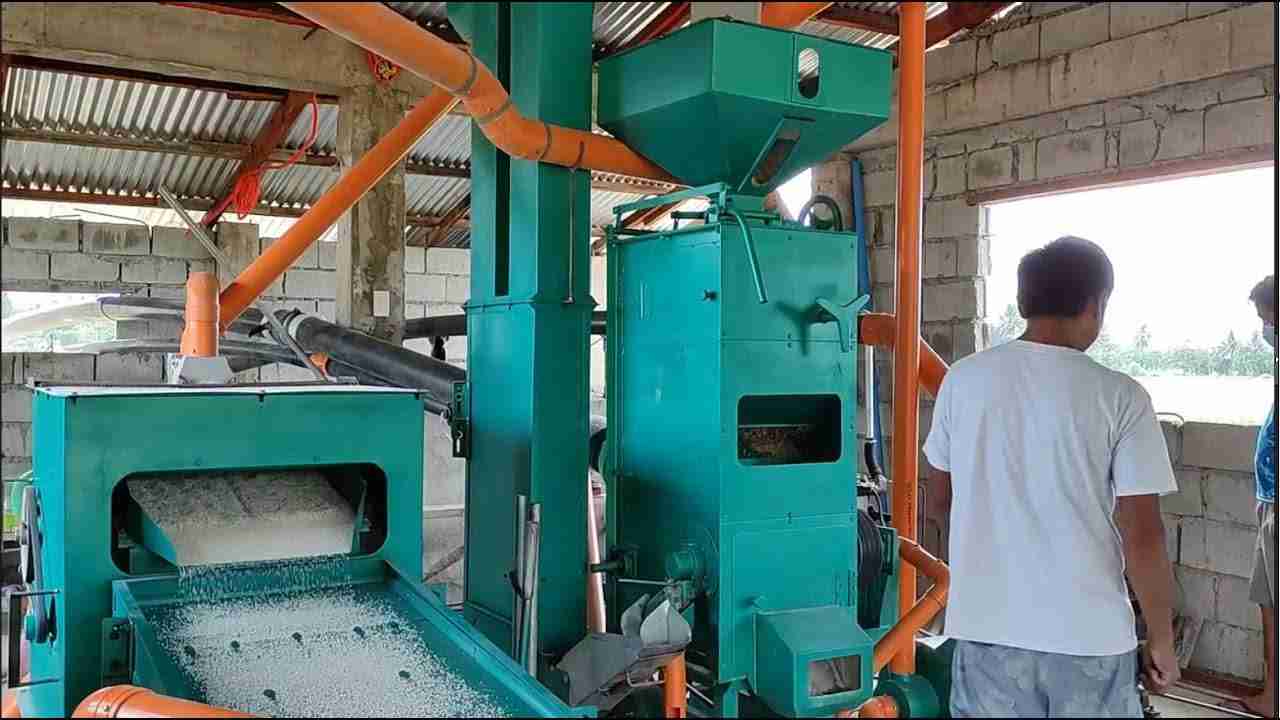
Advantages of Auto Rice Mills in Modern Agriculture
Increased Efficiency: Auto rice mills have revolutionized rice production by streamlining the milling process. With automated machinery handling tasks such as cleaning, husking, and polishing, the overall efficiency of rice milling has significantly improved. This leads to faster processing times, reduced labor costs, and higher output levels.
Improved Quality Control: One of the key is the ability to maintain consistent quality standards. By utilizing automated systems for sorting and grading rice grains, defects and impurities are minimized, ensuring a higher quality end product. This not only satisfies consumer demand for premium rice but also increases the market value of the product.

Efficiency and Cost-effectiveness of Automated Rice Production
Automated rice production has taken the agricultural industry by storm, revolutionizing the way rice is cultivated and processed. With the rise of auto rice mills, efficiency and cost-effectiveness have reached unparalleled levels. These modern facilities utilize cutting-edge technology to streamline every step of the production process, from planting to packaging.
One of the key advantages of automated rice production is the significant reduction in labor costs. By replacing manual labor with state-of-the-art machinery, auto rice mills can operate with minimal human intervention, maximizing efficiency and minimizing production costs. Additionally, the precision and accuracy of automated systems ensure consistent quality and output, ultimately leading to higher yields and increased profitability. With the increasing demand for rice globally, the adoption of automated production methods is essential for meeting market needs and maintaining competitive pricing in the industry.

Innovations in Technology for Rice Milling Processes
One of the most significant advancements in the rice milling industry is the development of auto rice mills. These cutting-edge machines have revolutionized the way rice is processed, making the entire operation more efficient, cost-effective, and environmentally friendly. Auto rice mills utilize state-of-the-art technology to automate the entire milling process, from husking and polishing to sorting and packaging. This not only reduces the reliance on manual labor but also ensures a higher quality end product.
The rise of auto rice mills has brought about numerous benefits to both rice millers and consumers alike. Some key advantages of this innovative technology include:
- Increased efficiency: Auto rice mills can process large quantities of rice in a fraction of the time it would take traditional mills, improving overall productivity.
- Improved quality: The automated processes of auto rice mills help maintain consistent quality standards, resulting in better-tasting and visually appealing rice.
- Reduced wastage: By optimizing the milling process, auto rice mills minimize grain loss and ensure that every kernel is utilized effectively.
Sustainability and Environmental Impact of Auto Rice Mills
Auto rice mills have revolutionized the way rice production is carried out, significantly improving sustainability and reducing environmental impact. These modern mills are equipped with advanced technology that allows for more efficient processing of rice, leading to higher yields and lower energy consumption. By streamlining the production process, auto rice mills minimize waste and increase overall efficiency.
Furthermore, auto rice mills utilize eco-friendly practices such as water recycling and energy-efficient machinery. This not only reduces the mills’ carbon footprint but also ensures that natural resources are conserved for future generations. With the adoption of these sustainable methods, auto rice mills are setting a new standard for environmentally conscious food production in the agricultural industry.
Concluding Remarks
In conclusion, the emergence of auto rice mills is revolutionizing the agricultural landscape and transforming the way rice is processed and distributed. With cutting-edge technology and innovative practices, these mills are paving the way for increased efficiency, reduced manual labor, and improved quality of rice production. As we continue to witness the rise of auto rice mills, we can look forward to a future where rice production is more sustainable, cost-effective, and ultimately, more accessible to communities around the world. Join us on this journey of progress and innovation in the world of rice production, as we embrace the transformative power of automation and usher in a new era of sustainable agriculture.




