
Revolutionizing Grain Processing: The Rise of Auto Rice Mills
In a world where efficiency and technology intertwine to reshape traditional industries, the grain processing sector is experiencing a profound transformation. The humble rice mill, once a labor-intensive establishment, now stands on the precipice of innovation, thanks to the emergence of auto rice mills. These state-of-the-art facilities utilize advanced automation technology to streamline production, reduce labor costs, and enhance the quality of the final product. As the global demand for rice continues to rise, driven by population growth and changing dietary preferences, auto rice mills are not just a response to this demand; they represent a paradigm shift in how we approach agriculture and food processing. This article explores the evolution of rice milling, the significance of automation in this sector, and the implications for farmers, consumers, and the ecosystem at large. Join us as we delve into this fascinating development that promises to redefine the future of grain processing.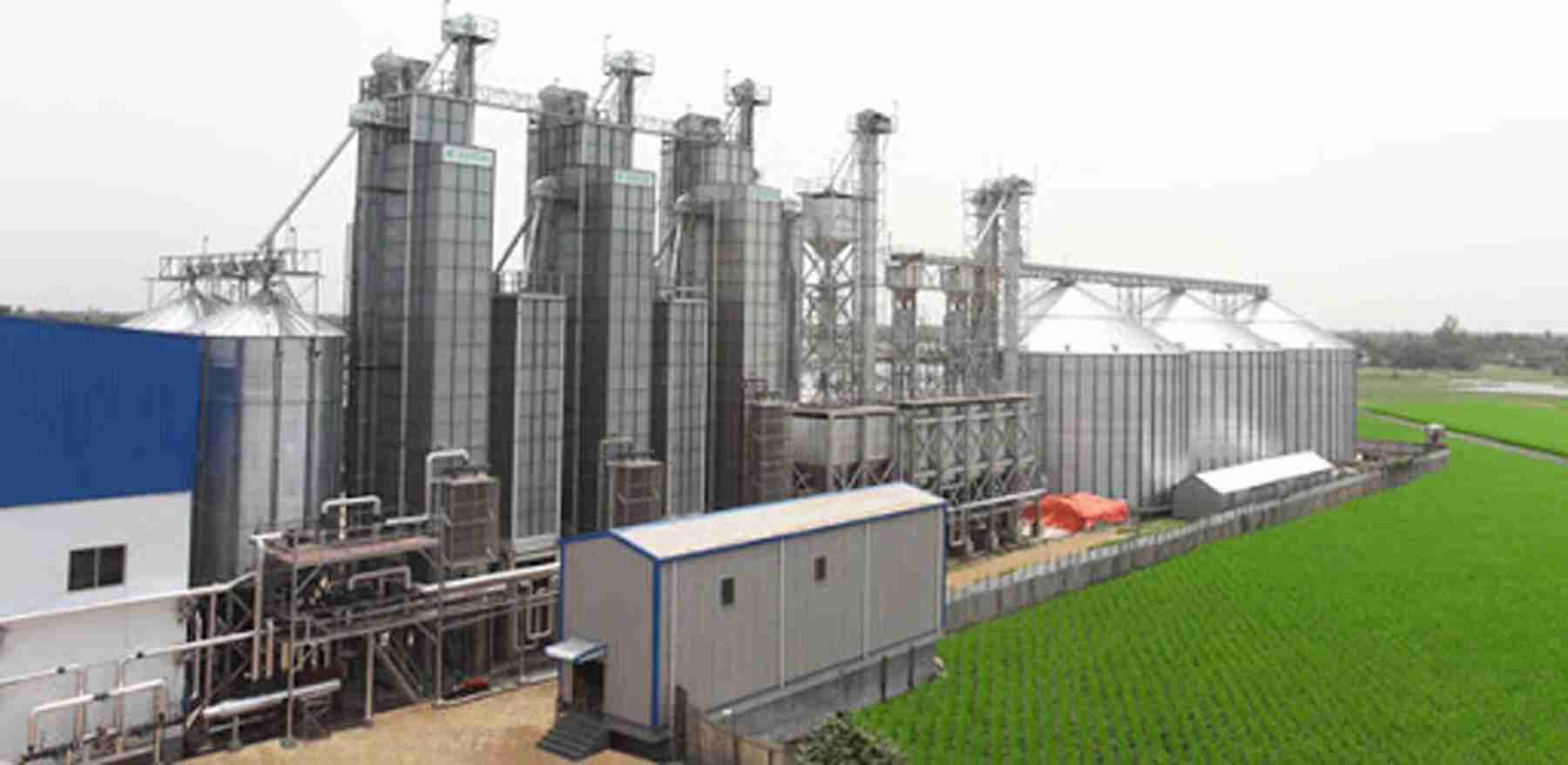
Exploring the Mechanisms Behind Auto Rice Mills
At the heart of auto rice mills lies a synergy of sophisticated technology and engineering precision, transforming traditional grain processing into a streamlined, efficient venture. These innovative systems utilize a variety of automated components to ensure that each phase of milling is executed flawlessly. The primary mechanisms include husk removal, paddy separation, and polishing, each playing a crucial role in enhancing the quality of the final product. Additionally, the integration of computerized controls allows for real-time monitoring and adjustments, leading to greater consistency in production. This automation not only increases the speed of processing but also minimizes labor costs, shifting the paradigm in rice milling operations.
Furthermore, the machinery is designed with a focus on sustainability and waste reduction. The efficient use of by-products, such as rice husk and bran, highlights a commitment to an eco-friendly approach. By utilizing advanced technologies, auto rice mills can convert these by-products into valuable resources, such as biofuel or animal feed. They also employ energy-efficient motors and recycling systems that reduce energy consumption and promote a greener industry. The table below summarizes some key mechanisms and their benefits:
| Mechanism | Key Benefits |
|---|---|
| Husk Removal | Efficient clearing of outer husk for higher yield |
| Paddy Separation | Increased purity of white rice with minimal breaks |
| Polishing | Enhanced appearance and shelf life of rice grains |

Enhancing Efficiency and Reducing Labor Costs in Grain Processing
The integration of advanced technology in grain processing has led to remarkable enhancements in operational efficiency and a significant decrease in labor costs. Auto rice mills utilize automated machinery that simplifies several critical steps, from husking to polishing. As a result, these mills drastically reduce the time and human resources needed, allowing businesses to allocate their workforce more strategically. Some key benefits include:
- Streamlined Operations: Automated systems minimize human error and dependency, leading to consistent quality and higher output.
- Cost Savings: Reduced labor requirements translate to lower overhead costs, enabling operators to maximize profits.
- Energy Efficiency: Modern machines are designed to consume less power, optimizing resource usage and cutting down on utility expenses.
Moreover, the utilization of smart technologies in grain processing promotes proactive monitoring and data analytics, further enhancing operational agility. Predictive maintenance is another significant advantage; it prevents costly downtimes by allowing for timely interventions based on real-time performance data. To provide a clearer perspective, here is a comparison of traditional grain processing and auto rice mill operations:
| Aspect | Traditional Processing | Auto Rice Mills |
|---|---|---|
| Labor Requirement | High | Low |
| Processing Time | Long | Short |
| Error Rate | Higher | Lower |
| Energy Consumption | Higher | Lower |
The advances in automation not only reshape the labor dynamics within the grain industry but also encourage sustainable practices, making it a critical evolution for profitability and environmental responsibility.

Sustainability and Environmental Impact of Modern Rice Milling Technologies
The advancement of modern rice milling technologies plays a crucial role in promoting environmental sustainability. Auto rice mills feature energy-efficient machinery that minimizes power consumption compared to traditional milling processes. By utilizing advanced technology, these mills significantly reduce greenhouse gas emissions and promote cleaner production methods. Moreover, the implementation of waste management systems allows the recycling of by-products such as husk and bran, transforming what was once considered waste into valuable resources. This not only cuts down on environmental pollution but also creates additional revenue streams for farmers and mill operators.
Another significant feature of modern auto rice mills is their ability to conserve water, an essential resource in agricultural practices. Traditional milling methods often require large quantities of water for processing grains effectively, whereas innovative techniques allow for a more efficient water usage. The rise of solar-powered rice mills further exemplifies the sustainability trend, harnessing renewable energy to power milling operations. The use of these eco-friendly alternatives ensures that the agricultural sector contributes less to climate change and aligns itself with global efforts to protect natural ecosystems.
| Technology | Environmental Benefit |
|---|---|
| Energy-efficient machines | Reduced power consumption |
| Waste management systems | Minimized pollution through recycling |
| Water conservation processes | Lower water usage in milling |
| Solar-powered mills | Utilizes renewable energy sources |
Future Prospects: Innovations Shaping the Auto Rice Mill Industry
The auto rice mill industry is on the brink of a significant transformation, driven by the integration of advanced technologies and innovative practices. One major area of development is the application of IoT (Internet of Things) in rice milling processes. By utilizing smart sensors and networked devices, mill operators can monitor equipment performance in real-time, leading to enhanced operational efficiency. These connected systems allow for predictive maintenance, reducing downtime and ensuring continuous production. Additionally, the incorporation of AI-driven analytics facilitates improved decision-making, optimizing milling parameters to increase yield and minimize waste.
Another promising innovation lies in the adoption of sustainable practices within auto rice mills. The focus on eco-friendly technologies is reshaping the industry, promoting energy-efficient machinery that reduces carbon footprints. These advancements not only cater to regulatory compliance but also tap into a growing consumer demand for sustainable sourcing. Furthermore, the implementation of biomass energy systems in rice mills presents a dual benefit: it capitalizes on waste byproducts while generating renewable energy. As these technologies gain traction, they emphasize the importance of circular economy principles, paving the way for a greener and more resilient future in grain processing.
In Retrospect
As we stand at the crossroads of tradition and innovation in the realm of agriculture, the rise of auto rice mills signifies more than just a technological advancement; it embodies a transformative shift in how we approach grain processing. These automated marvels not only enhance efficiency and productivity but also pave the way for sustainable practices and economic growth in rice-producing regions.
As we look ahead, it’s clear that the integration of automation in rice milling is not merely about keeping pace with modern demands; it’s about reshaping the future of food production. The benefits extend beyond the mill—improving the livelihoods of farmers, ensuring food security, and responding to the challenges of climate change. The journey from manual to automated grain processing invites us all to consider the profound implications of innovation in our daily lives.
In this ever-evolving landscape, one thing remains certain: the commitment to excellence in grain processing will continue to drive progress, yielding not just better rice but a better world for all. As we embrace this revolution, we encourage stakeholders across the spectrum to engage with these advancements, fostering collaboration and dialogue to maximize their potential. The future of rice processing is not just automated; it’s collaborative, sustainable, and ripe for exploration.




