
Harvesting Progress: The Essential Role of Rice Mills Today
In a world where food security and sustainable agriculture are more pressing than ever, the humble rice mill stands as a beacon of innovation and efficiency. Once seen merely as a functional hub for processing grains, today’s rice mills are vital engines of progress, bridging the gap between rural farmers and a global market while addressing the complexities of modern food supply chains. As we explore the intricate tapestry of rice milling—where tradition meets technology—we uncover the multifaceted roles these facilities play not just in production, but in elevating economies, fostering community resilience, and promoting environmental stewardship. Join us on this journey through the transformative landscape of rice milling, where each grain processed represents not just sustenance, but the promise of a more sustainable and interconnected future.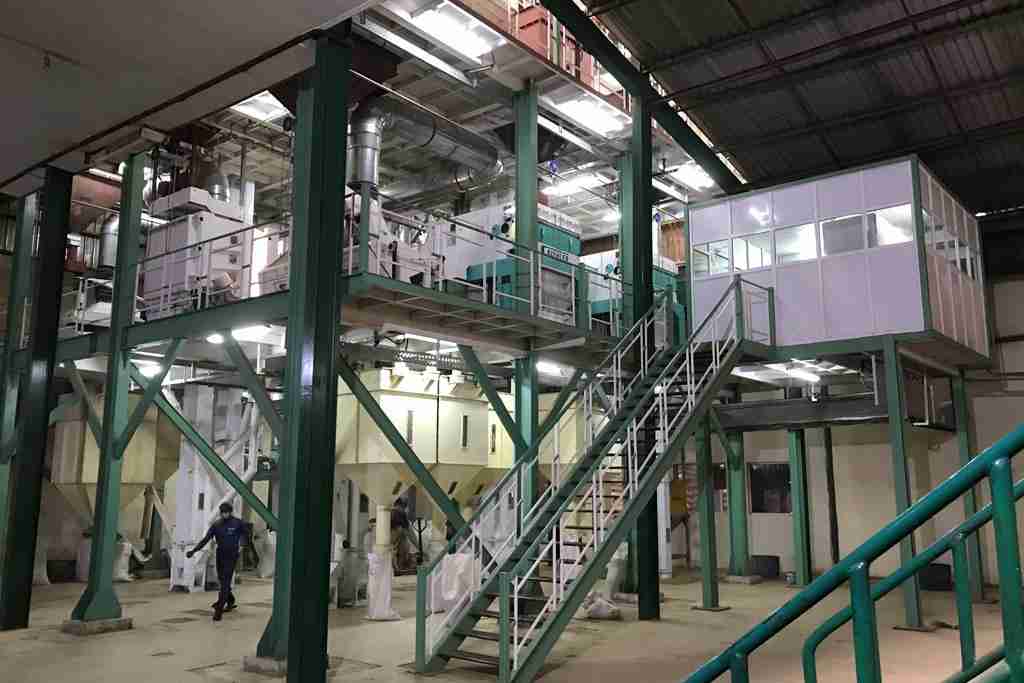
Understanding the Modern Rice Mill: Technology and Innovations Shaping Efficiency
In the quest for maximizing productivity and ensuring quality in rice production, modern rice mills have embraced a plethora of cutting-edge technologies that revolutionize traditional milling processes. By integrating automated systems and smart analytics, these mills enhance operational efficiency, leading to improved yields and reduced waste. The adoption of mechanized equipment allows for smoother transitions between harvesting and milling, which is critical in maintaining the freshness and flavor of the rice. With features like color sorters and automatic packaging machines, mills are not only optimizing the production line but also elevating the quality of the final product. This technological embrace also facilitates real-time monitoring of the milling process, enabling instant adjustments that cater to varying rice varieties and ensure consistent results.
Moreover, innovations in energy efficiency are becoming a hallmark of modern rice milling practices. Mills are increasingly utilizing renewable energy sources, such as solar power and biomass, significantly reducing their carbon footprint. The smart design of eco-friendly milling equipment not only promotes sustainability but also lowers operational costs over time. For instance, the implementation of waste-to-energy systems is turning by-products of rice milling, such as husks and bran, into valuable resources. This holistic approach not only enhances cost-effectiveness but also aligns with global sustainability goals. The combination of these technologies and innovations reflects a critical shift towards more integrated and conscious rice production systems that cater to both economic and environmental priorities.
The Economic Impact of Rice Milling on Local Communities and Global Markets
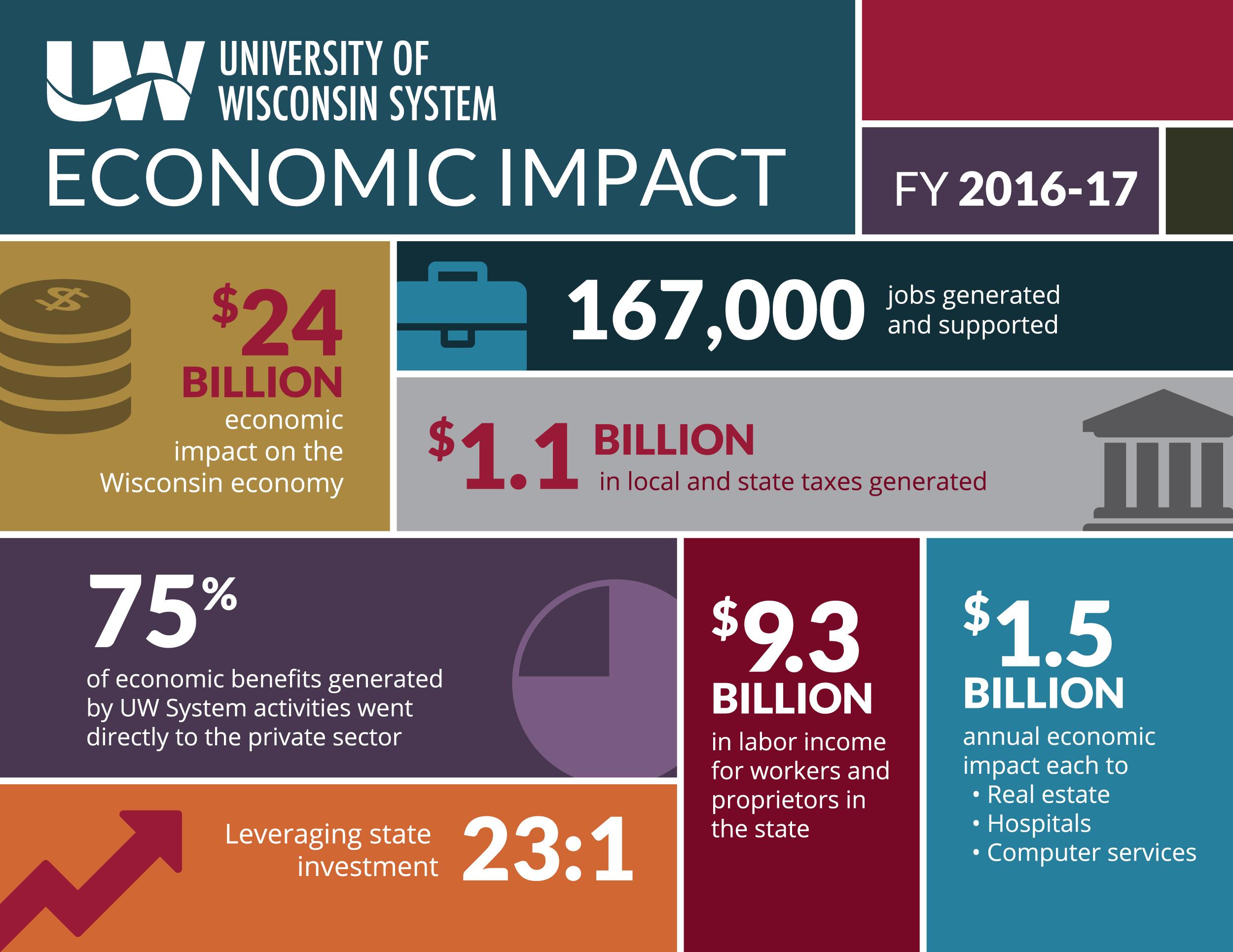
The rice milling industry serves as a vital economic engine for both local communities and the global market. At the grassroots level, these mills create employment opportunities across various skill levels, from farmers to machine operators, fostering community growth. Furthermore, rice mills contribute to increased income for local farmers by providing a reliable means of processing their crops, which in turn can stimulate further investments in agriculture and related sectors. Smallholder farmers often find themselves empowered, able to negotiate better prices for their milled product thanks to the reduction of post-harvest losses and improved quality of their grains.
On a global scale, the effects of rice milling ripple through international markets, affecting trade dynamics and food security. Countries that are major rice producers benefit from export revenues generated through processed rice, enhancing their economic stability. This integrated value chain not only enhances the nutritional availability of rice but also helps in mitigating price volatility by ensuring a steady supply. To illustrate this point, consider the following table showcasing the impact of rice milling on different economic variables:
| Variable | Impact of Rice Milling |
|---|---|
| Employment | Creates jobs in processing and distribution |
| Income | Increases earnings for farmers |
| Trade | Boosts export revenue |
| Food Security | Enhances availability of quality rice |
Sustainable Practices in Rice Milling: Balancing Productivity with Environmental Responsibility
In the modern rice milling industry, integrating environmental responsibility is not only a trend but a necessity. To achieve a balance between productivity and sustainability, many mills are adopting innovative practices that reduce their ecological footprint. These include energy-efficient machinery designed to consume less power, along with waste management systems that ensure by-products are utilized effectively, such as converting husk into biomass fuel. Furthermore, the introduction of water-saving technologies during the milling process minimizes the strain on local water sources, reflecting a conscious effort to protect vital resources.
Restoring the harmony between rice production and environmental stewardship is also evident through collaboration with local farmers and communities. By emphasizing sustainable farming techniques and providing educational resources, rice mills can promote practices like crop rotation and integrated pest management, ensuring that rice cultivation remains viable for future generations. The adoption of organic certification programs can also enhance marketability while preserving soil health. Ultimately, fostering a collaborative relationship with stakeholders, alongside implementing innovative technologies, paves the way for a more sustainable future in the rice milling sector.
Future Trends: Adapting Rice Mills to Meet Changing Consumer Demands and Climate Challenges
As consumer preferences shift towards healthier and more sustainable food options, rice mills are reimagining their processes to cater to these evolving demands. Many mills are investing in advanced milling technologies that not only enhance the quality of rice but also minimize waste and energy consumption. Innovations such as integrated milling systems and real-time monitoring of grains help ensure that products meet stringent quality standards while also aligning with environmental goals. By adopting methods that foster both efficiency and sustainability, rice mills can set themselves apart in a competitive market while appealing to health-conscious consumers.
In response to the increasing pressures of climate change, rice mills are exploring strategies to build resilience against environmental fluctuations. This includes implementing water-saving irrigation techniques and using crop rotation practices to support soil health. Many mills are also collaborating with local farmers to offer training on agroecological practices and climate-smart agriculture, ensuring a more adaptive supply chain. Additionally, to facilitate future planning and investment, below is a brief overview of key trends affecting rice production:
| Trend | Description |
|---|---|
| Healthier Options | Demand for organic and fortified rice varieties is growing. |
| Eco-Friendly Practices | Focus on sustainable farming and milling techniques. |
| Technology Integration | Utilization of IoT for monitoring and optimizing production. |
| Supply Chain Collaboration | Partnerships between mills and farmers to enhance resilience. |
Concluding Remarks
As we conclude our journey through the world of rice mills, it becomes increasingly clear that these essential hubs of production are more than just machinery—they are the heartbeat of an agricultural revolution. As we harvest our progress, it is vital to recognize the intricate tapestry woven by innovation, sustainability, and tradition within the rice milling industry.
From the fields of golden grains that stretch across our landscapes to the bustling mill where each kernel is refined, rice mills symbolize a critical nexus where farmers’ hard work meets modern technology. They not only play a crucial role in ensuring food security and economic stability but also embody the commitment to sustainable practices that resonate with the global demand for environmentally conscious production.
As we move forward, embracing advancements while respecting the age-old practices that have sustained us, rice mills stand as a testament to our collective efforts. They serve as a reminder that progress is not merely about quantity, but also about quality—quality in our methods, our relationships with farmers, and our dedication to the communities we nourish.
In every bowl of rice served around the world, we can taste the legacy of rice mills and envision a future that continues to cultivate not just crops, but the very foundation of our societies. Let us celebrate this essential role and remain committed to evolving alongside the rice milling industry, ensuring that it flourishes for generations to come.




