
In the vast expanse of golden fields, where the symphony of nature plays harmoniously with the labor of hands, lies a humble yet vital grain: rice. Cherished across cultures and continents, rice is not just a staple food; it is a thread woven into the very fabric of life. However, its journey from the lush paddies to our plates is a transformation of art and science, underscored by a crucial intermediary—the rice mill. In this exploration, “From Grain to Goodness: The Journey of Rice Mills,” we will delve into the intricate processes and innovations that define rice milling, shedding light on the pivotal role these facilities play in nourishing millions. From the delicate husk removal to the precise polishing that gives each grain its signature sheen, every step in the journey is a testament to both time-honored traditions and modern technologies. Join us as we uncover the unseen voyage of rice, celebrating the mills that turn basic grain into the wholesome sustenance that sustains our daily lives.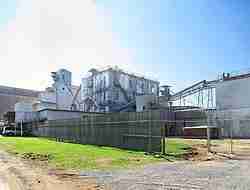
The Essential Role of Rice Mills in the Agricultural Supply Chain
As the bridge between paddy fields and the dinner tables around the world, rice mills are crucial in transforming rough grains into polished staples. This transformation involves several intricate processes, which not only enhance the aesthetic appeal of rice but also its nutritional value. Each step in the milling process, from hulling to polishing, ensures the safety and quality of the rice. Some key functions of rice mills include:
- Hulling: Removing the outer husk from the paddy to yield brown rice.
- Milling: Grinding brown rice to eliminate bran and germ, producing white rice.
- Polishing: Enhancing the rice’s appearance and shelf life.
- Sorting: Separating grains based on size and quality for further processing.
Moreover, rice mills play an integral role in ensuring food security and economic viability for farmers and consumers alike. They provide a crucial link in the supply chain by facilitating the efficient distribution of rice from rural production areas to urban markets. In doing so, mills not only help farmers achieve better prices for their crops but also mitigate the risk of spoilage, ensuring that the rice remains fresh and accessible. To illustrate the significant impact that rice mills have on the agricultural economy, consider the following table:
| Impact Area | Farmers | Consumers |
|---|---|---|
| Price Stability | Ensured through efficient processing and distribution | Access to affordable rice |
| Quality Control | Higher grades lead to better earnings | Improved safety and nutrition |
| Supply Chain Efficiency | Reduced post-harvest losses | Consistent availability in the market |

Innovative Milling Techniques Enhancing Rice Quality and Sustainability
The evolution of milling techniques stands at the forefront of modern agricultural innovation, contributing significantly to the quality of rice and the sustainability of its production. State-of-the-art milling methods now prioritize whole grain preservation, ensuring that essential nutrients are retained throughout the process. These techniques harness the power of precision milling, where grains are milled to exact specifications based on their intended use, whether for premium sushi rice or everyday table staples. Additionally, advancements in water and energy efficiency have revolutionized how mills operate, reducing their carbon footprint while maximizing output. By integrating technology like AI and machine learning, mills can monitor and optimize their processes in real-time, leading to better resource management.
Furthermore, the focus on sustainability has led to the adoption of ecologically-friendly practices within rice milling operations. Many mills are now utilizing byproducts from the milling process, such as rice husk and bran, to create biofuels and fertilizers, thereby minimizing waste. To add to this, a significant emphasis is on local sourcing to support regional farmers, which fosters community growth and reduces transportation emissions. Below is a simple table illustrating the benefits of these innovative milling techniques:
| Technique | Benefits |
|---|---|
| Precision Milling | Enhances grain quality; improves nutritional retention. |
| Energy Efficiency | Reduces carbon footprint; lowers operating costs. |
| Byproduct Utilization | Minimizes waste; creates alternative revenue streams. |
| Local Sourcing | Supports farmers; reduces transportation emissions. |
Empowering Local Communities Through Rice Mill Operations
The operations of rice mills play a pivotal role in uplifting local communities by providing not only employment opportunities but also facilitating skill development and economic independence. For many regions, these mills serve as the heart of agricultural activities, where farmers can transform their harvested grains into valuable products. This process not only boosts local economies but also empowers individuals through the creation of small businesses and cooperatives, allowing them to leverage their skills and resources effectively. By prioritizing community involvement, rice mills can form alliances with local farmers, ensuring that a significant portion of the profits stays within the community, fostering a cycle of growth and sustainability.
Beyond economic benefits, rice mill operations often contribute to social cohesion and improved living standards. By investing in local infrastructure, such as roads and storage facilities, these mills can facilitate better access to markets for farmers, ensuring they receive fair prices for their goods. Furthermore, many mills are participating in educational programs aimed at teaching sustainable farming practices, quality control, and business management to the community. The following table illustrates some of these initiatives that enhance community engagement and growth:
| Initiative | Description |
|---|---|
| Skill Training Workshops | Empower farmers with modern agricultural techniques. |
| Micro-financing Programs | Assist local entrepreneurs in starting businesses. |
| Community Health Initiatives | Promote health awareness and disease prevention. |
| Environmental Awareness Campaigns | Encourage sustainable farming and eco-friendly practices. |
Navigating Challenges and Future Opportunities in the Rice Milling Industry
The rice milling industry is at a crossroads, facing numerous challenges that require innovative solutions and a keen understanding of market dynamics. Technological advancements are reshaping traditional milling practices, demanding that mills adapt to maintain efficiency and competitiveness. To remain relevant, operators must embrace automation, invest in modern machinery, and implement eco-friendly practices that not only enhance output but also minimize environmental impact. Key challenges include:
- Market Volatility: Fluctuating prices of raw materials impact profit margins.
- Labor Shortages: The need for skilled workers in the automation era is pressing.
- Sustainability Pressures: Growing environmental concerns necessitate greener operations.
However, with these challenges arise numerous opportunities for growth and innovation in the sector. Emphasizing value-added products can provide a pathway for mills to expand their offerings, such as specialty rice varieties, rice bran oil, and even gluten-free rice-based snacks. Collaboration with research institutions can also foster innovations in rice processing and pest management, leading to higher-quality products and improved yield. Furthermore, by harnessing digital technology, rice mills can establish direct-to-consumer sales channels, enhancing market reach and profitability. Future strategies could include:
- Diversifying Product Lines: Introducing innovative rice-based foods.
- Leveraging Technology: Utilizing data analytics for better market insights.
- Establishing Partnerships: Working with farmers to optimize supply chains.
| Opportunity | Description |
|---|---|
| Value-Added Products | Creating specialty items to cater to niche markets. |
| Sustainable Practices | Implementing eco-friendly technologies for environmental stewardship. |
| Digital Transformation | Using technology for efficiency and customer connection. |
Concluding Remarks
the journey of rice from the gleaming fields to the bustling rice mills, and ultimately to our dinner tables, is a testament to the intricate dance of nature and human ingenuity. Each grain tells a story, reflecting the efforts of countless individuals who are committed to preserving tradition while embracing innovation. As we savored our meals today, let us remember the journey—how the labor of farmers, the precision of millers, and the passion of communities converge to transform simple grains into sources of nourishment and joy. Rice, in its many variations and forms, is more than just a staple; it is a bridge that connects cultures, nourishes families, and sustains societies. As we look toward the future, may we continue to honor this humble grain and the rich tapestry of life it supports, celebrating both its past and the promise it holds for generations to come.




