In the heart of agricultural innovation lies a powerhouse of efficiency and productivity: the 5-ton rice mill. As a crucial component of the rice production chain, this machine not onyl streamlines the milling process but also enhances the livelihoods of farmers and businesses alike. Wiht the global demand for rice continuing to rise, understanding the operational capabilities and benefits of these machines has never been more pertinent. In this comprehensive guide, we delve into the intricacies of the 5-ton rice mill, exploring its design, functionality, and the myriad ways it transforms raw grain into a staple food for millions. Join us on this journey as we unravel the threads of technology, economy, and sustainability woven into every grain of rice processed by these remarkable machines.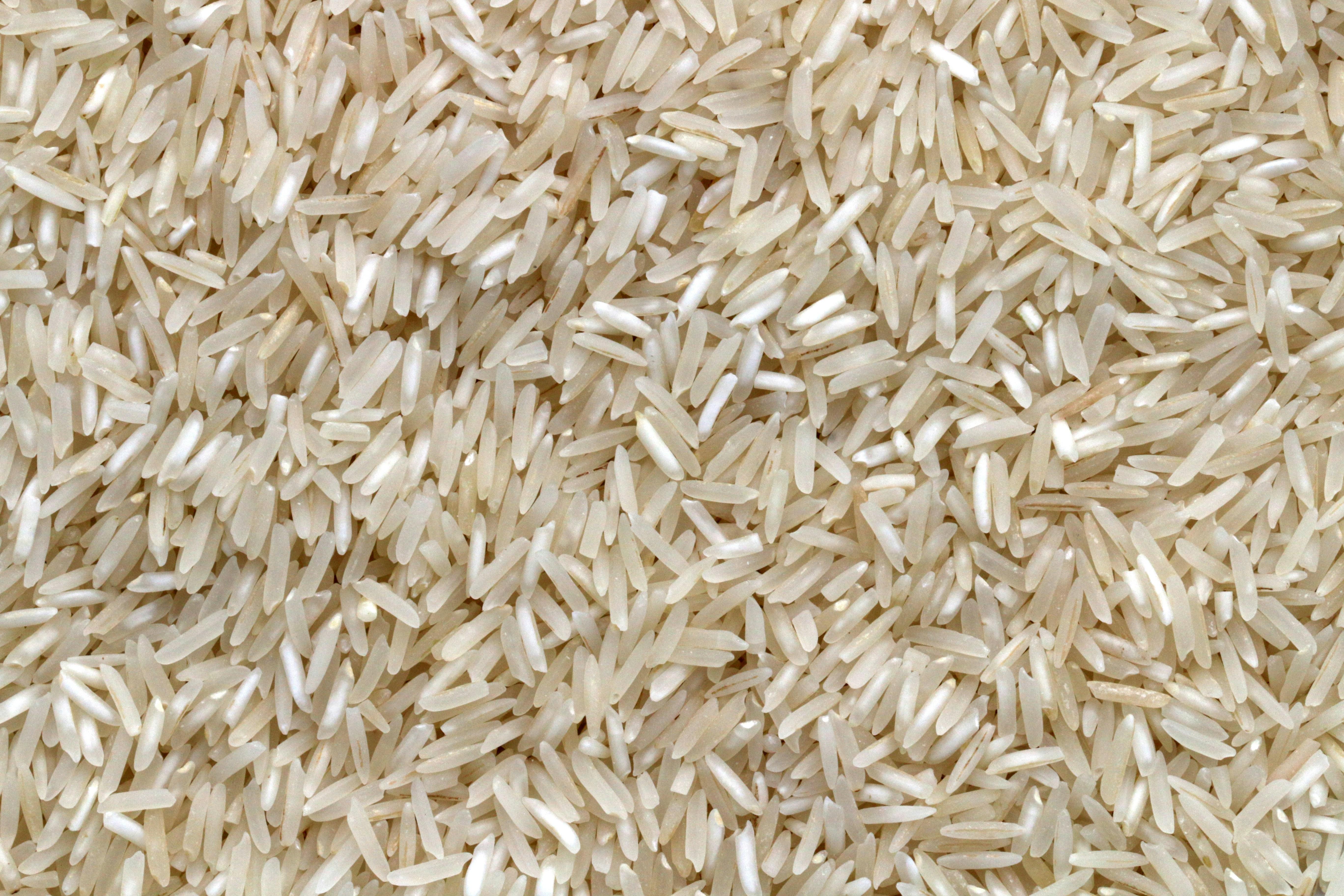
Understanding the Core Principles of Rice Milling Efficiency
To maximize the efficiency of rice milling, understanding the fundamental principles that govern the process is essential. One of the core aspects is grain quality; ensuring that only the best quality rice enters the milling phase is crucial. A significant factor here is the moisture content of the grains, as rice that is too moist or too dry can lead to increased breakage and loss during milling. Additionally, operators must consider the proper calibration of machinery and settings, as misalignments can drastically reduce output and quality.
another principle to focus on is the optimal flow of materials thru each stage of the mill. This includes everything from pre-cleaning and husking to polishing and sorting,ensuring that there are no bottlenecks. Effective training of personnel is also vital, as learned operators can adapt to machinery variances and troubleshoot issues efficiently. integrating technology into the milling process, such as automated monitoring systems, can provide valuable insights for constant advancement. Below is a simple comparison of the most impactful components of a rice milling operation:
| Component | Impact on Efficiency |
|---|---|
| Husker performance | Minimal grain damage |
| Polisher settings | Higher quality output |
| Sorting equipment | Reduction in waste |
| Moisture control | Lower breakage rates |
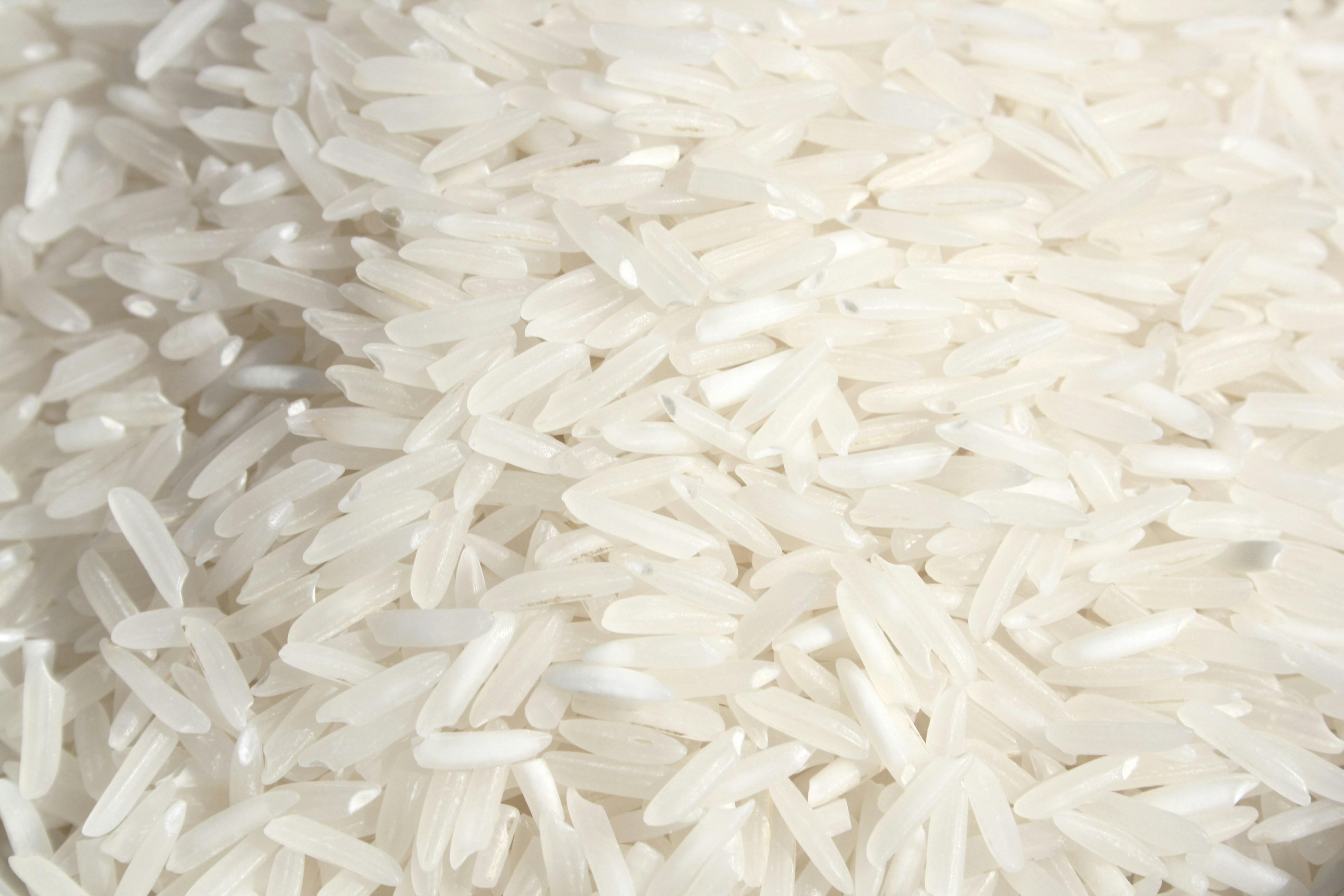
Key Factors influencing the Performance of a 5 ton Rice mill
in evaluating the performance of a 5-ton rice mill, several key factors come into play that can significantly influence efficiency and output quality. Frist and foremost, the quality of raw materials used affects not only the milling process itself but also the final product’s quality. Grain moisture content, as an example, should ideally be maintained between 12-14%. Beyond this, the mill’s design, including the type of milling equipment—be it a paddy separator, husker, or whitener—plays a crucial role in determining the precision and effectiveness of grain processing. Additionally, operational parameters such as feed rate, milling duration, and the adjustment of machinery settings can profoundly impact the yield and recovery rates of rice grains.
Moreover, the overall maintenance of the equipment is pivotal for sustaining optimal performance. A well-maintained mill can operate more smoothly, reduce downtime, and ensure a higher quality end product. Other aspects, such as operator skill and training, cannot be overlooked; proficient staff can adeptly monitor and manage the milling process, making necessary adjustments to maximize efficiency. Moreover, environmental factors such as temperature and humidity levels in the milling area are also crucial.As a notable example, high humidity may lead to increased stickiness of grains, affecting processing speed and final quality. Understanding and optimizing these elements can lead to significant improvements in the operational success of a 5-ton rice mill.
| Factor | Impact on Performance |
|---|---|
| Raw Material Quality | Affects milling effectiveness and end product quality |
| Machine Type | Determines precision and operational efficiency |
| Operator Skill | Influences real-time adjustments and process monitoring |
| Environmental Conditions | Can affect processing speed and grain quality |
Maximizing output: Best Practices for Operators and Maintenance
To ensure that the 5 ton rice mill operates at peak efficiency, it is indeed crucial for both operators and maintenance staff to engage in best practices. Regular training sessions for operators can instill a profound understanding of the machinery and its nuances, leading to better handling and less operational downtime. Additionally, implementing a routine maintenance schedule helps in identifying and addressing potential issues before they escalate. Consider incorporating the following practices:
- Daily Inspections: Conduct daily checks on all key components,including belts,gears,and bearings.
- Lubrication: Ensure that lubrication points are serviced regularly to reduce wear and tear.
- Calibration: Regularly calibrate the mill’s settings to maintain optimal performance and quality.
Moreover, fostering a culture of dialog between operators and maintenance teams can lead to improved efficiencies. Feedback loops are essential, where operators can report irregularities or performance drops that maintenance may not immediately notice. To facilitate this, creating a simple log system could be beneficial, noting each shift’s observations and challenges. An example log could look like this:
| Date | Operator Name | Observation | Action Taken |
|---|---|---|---|
| 10/01/2023 | John Doe | unusual noise from the milling chamber | Scheduled inspection by maintenance |
| 10/02/2023 | Jane Smith | Mill output decreased | Adjust settings and check for blockages |
Future Innovations in Rice Milling Technology and Their Impact
As the demand for rice continues to rise globally, the need for advanced milling technologies is paramount. Innovations such as automated milling systems and smart sensors are transforming traditional rice processing facilities into hubs of efficiency. These technologies not only enhance grain yield but also significantly reduce waste by optimizing every aspect of the milling process. some notable advancements include:
- IoT Integration: By combining Internet of Things (IoT) technologies with milling machinery, operators can monitor performance metrics in real-time, leading to quicker adjustments and improved operational efficiency.
- Energy-efficient Machinery: New designs focus on reducing energy consumption through advanced motor technologies and energy recovery systems, aligning with global sustainability goals.
- AI-Driven Quality Control: Machine learning algorithms can predict and control quality factors, ensuring that every batch of rice meets ideal specifications.
The introduction of modular milling units is also reshaping the industry landscape. These units allow for customized configurations based on specific rice variety needs, promoting adaptability and scalability in production. Furthermore, they facilitate easy upgrades, ensuring that mills can adapt to future innovations without needing complete overhauls. A comparative overview of traditional vs. innovative milling methods is highlighted below:
| Feature | Traditional Milling | Innovative Milling |
|---|---|---|
| Energy Consumption | High | low |
| Waste Generation | Moderate | Minimal |
| output Quality | Variable | Consistent |
| Maintenance | Frequent | Predictive |
By adopting these cutting-edge innovations, stakeholders in the rice milling industry can not only enhance production efficiency but also contribute to broader economic and environmental sustainability goals. As these technologies become more accessible, they offer a pathway toward a more resilient and capable agricultural sector.
Future Outlook
the 5 ton rice mill stands as a testament to the evolution of agricultural technology, marrying efficiency with practicality in the quest for higher productivity. Our exploration through this comprehensive guide illuminates not only the operational mechanics of these machines but also their pivotal role in transforming agricultural input into tangible output. As we venture into an era where sustainability and innovation go hand in hand, understanding the nuances of rice milling technology becomes increasingly essential for farmers, entrepreneurs, and agricultural stakeholders alike.
Whether you’re contemplating the purchase of a 5 ton rice mill or simply seeking to expand your knowledge on the subject, we hope this guide has provided valuable insights to aid in your journey. The future of rice milling is luminous, and with the right technology at your disposal, you can contribute to a more efficient and productive agricultural landscape. As the sun sets on this exploration, may it rise on new opportunities in your milling ventures. Thank you for joining us on this informative journey—here’s to the grains that feed the world!