
Unveiling the Rice Milling Unit: A Journey from Grain to Grain
In the symphony of food production, the unsung hero often lies in the transformative process that turns raw ingredients into the staples we cherish. Among these, rice holds a revered place in cuisines worldwide, sustaining billions and weaving itself into the fabric of cultures across the globe. Yet, behind its delicate grains lies a complex journey that begins long before it graces our plates. Enter the rice milling unit, a marvel of engineering that plays a pivotal role in this transformative tale. This article takes you on an insightful exploration of the rice milling process, revealing the intricate steps that elevate paddy from its unrefined state to the polished grains that fill our bowls. Join us as we peel back the layers of this essential unit, uncovering the technology, craftsmanship, and dedication that define the journey from grain to grain.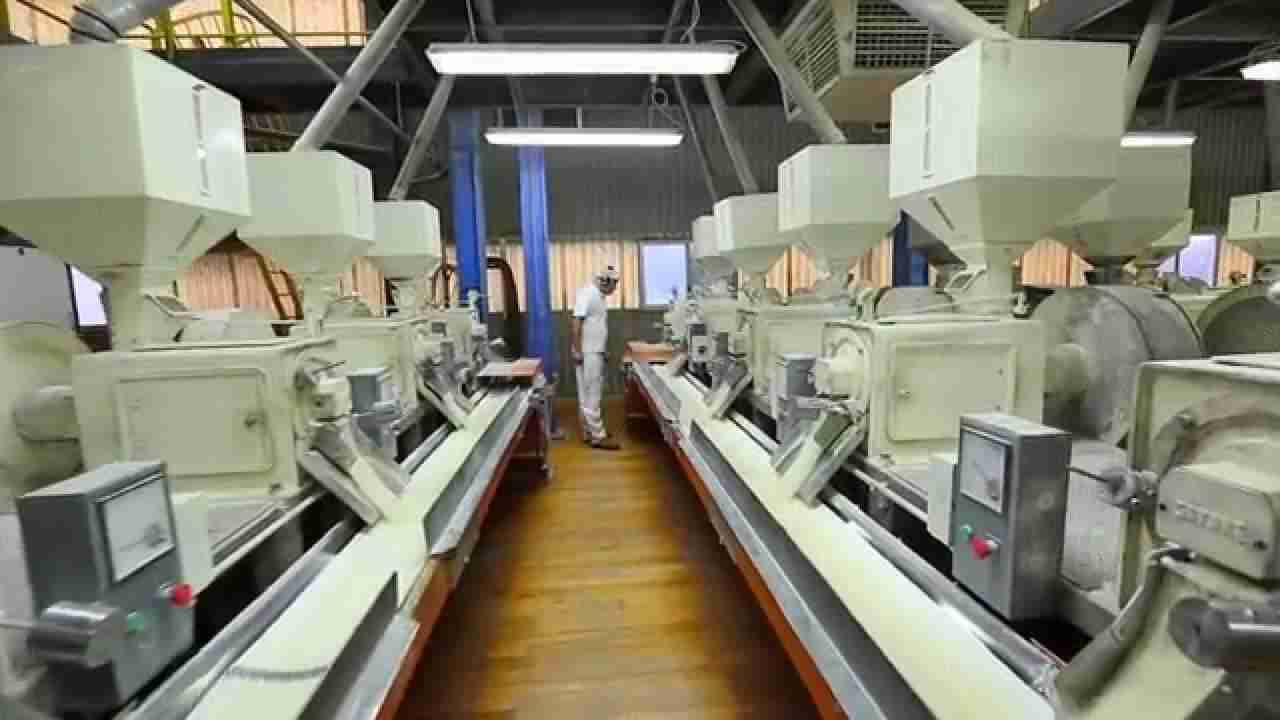
Understanding the Rice Milling Process: From Harvest to Production
The transformation of harvested rice into a polished final product involves a meticulous sequence of operations that showcase the elegance of the milling process. Initially, once the rice is harvested, it enters the paddy stage, where it is still encased in its hull. This stage is crucial, as the rice must be thoroughly cleaned to remove any impurities such as soil, stones, and husks. Various cleaning techniques are utilized, including air blowing and vibrating screens, ensuring only high-quality rice proceeds to the next phase. Post-cleaning, the paddy is temporarily stored and subsequently subjected to drying, which reduces moisture content to specified levels, safeguarding the grain’s integrity and extending its shelf life.
Once adequately dried, the rice undergoes the milling process, primarily involving two key stages: hulling and milling. Hulling separates the outer husk from the grain, while milling further refines the rice, producing white rice by removing the bran layer. The equipment used for these processes is state-of-the-art, featuring machines like hullers, conveyors, and polishers. Key aspects of this phase include:
- Hulling: Efficient separation of the husk using rotating drums.
- Milling: Polishing the rice with minimal damage to grain integrity.
- Grading: Sorting rice based on size and quality, often using a series of sieves.
To visualize the effectiveness and yields of each process stage, the following table summarizes essential metrics of the rice milling:
| Process Stage | Yields (%) | Duration (minutes) |
|---|---|---|
| Cleaning | 90 | 15 |
| Hulling | 85 | 20 |
| Milling | 75 | 30 |
This intricate sequence transforms humble grains into the staple food that nourishes many, highlighting the significance of each step in the journey from field to pantry.
Key Technologies and Innovations in Rice Milling Units
The modernization of rice milling units is largely driven by advancements in technology that enhance both efficiency and grain quality. Automated milling systems, equipped with sensors and intelligent software, have revolutionized traditional processes, allowing for precise control over every stage from husking to polishing. These systems utilize artificial intelligence (AI) to monitor parameters such as moisture content and temperature, ensuring that each grain remains intact while maximizing yield. Energy-efficient machinery, including solar-powered equipment, reduces the carbon footprint, making rice milling more sustainable and accessible to smaller enterprises in remote areas.
Moreover, innovations in grain storage and handling are critical to maintaining rice quality post-harvest. The introduction of smart grain silos equipped with humidity and temperature controls prevents spoilage and pest infestation. Additionally, automated cleaning and grading machines guarantee that only the highest quality rice reaches consumers, boosting market competitiveness. The synergy of these technologies not only empowers millers but also strengthens the overall supply chain, demonstrating a commitment to excellence from field to fork.
Best Practices for Sustainable Rice Milling Operations
Sustainable rice milling operations play a crucial role in reducing waste and conserving resources throughout the production cycle. One of the core practices involves the implementation of energy-efficient machinery, which not only minimizes energy consumption but also lowers operational costs. By investing in modern milling technologies, mills can significantly increase their output while reducing their carbon footprint. Additionally, regular maintenance of equipment ensures optimal performance and longevity, reducing the need for frequent replacements. This proactive approach leads to less waste and supports a cleaner environment.
Another important aspect is the effective management of by-products. Rice bran, husk, and other milling residues can be transformed into valuable resources through methods such as composting, biomass energy production, or even animal feed. Utilizing these by-products not only provides economic benefits but also contributes to a circular economy within the rice industry. Moreover, mills can establish partnerships with local farmers and businesses to ensure that these by-products are used efficiently, promoting local economies and fostering a sustainable agricultural ecosystem.
| By-Product | Potential Uses |
|---|---|
| Rice Bran | Animal Feed, Health Supplements |
| Rice Husk | Biomass Fuel, Insulation Material |
| Broken Rice | Puffed Rice, Rice Flour |
Market Trends and Opportunities for Rice Milling Entrepreneurs
The rice milling industry is experiencing a notable transformation, driven by shifting consumer preferences and advancements in milling technology. As health-conscious consumers increasingly gravitate toward organic and non-GMO options, entrepreneurs can seize the opportunity to invest in rice varieties that align with these trends. The rise of e-commerce has further opened avenues for direct-to-consumer sales, allowing rice milling businesses to establish their own brands and reach niche markets more effectively. This shift emphasizes the importance of offering high-quality, premium products that cater to the evolving tastes of consumers.
Additionally, regional market demands have emerged as significant factors shaping the rice milling landscape. Entrepreneurs can capitalize on the growing demand for specialty rice types, such as basmati and jasmine, which often command higher prices due to their distinct flavors and culinary appeal. Investing in innovative milling technologies not only enhances operational efficiency but also guarantees superior product quality, which is essential for maintaining a competitive edge. Setting up partnerships with local farmers can ensure a steady supply of quality rice while potentially opening up channels for sustainable practices that appeal to environmentally-conscious consumers.
| Market Opportunity | Description |
|---|---|
| Organic Rice | Increasing demand for health-focused, organic products. |
| E-commerce Sales | Growth in online shopping providing direct access to consumers. |
| Specialty Rice Varieties | Higher consumer interest in unique rice types with premium pricing. |
| Technological Advancements | Improvements in milling efficiency and product quality. |
Concluding Remarks
As we conclude our exploration of the rice milling unit, we find ourselves reflecting on the intricate journey that each grain undertakes, from the verdant fields swaying gently in the breeze to the bustling milling processes that transform it into a staple of countless diets across the globe. This journey is a testament not only to the agrarian expertise and technological advancements inherent in rice processing but also to the cultural significance wrapped around this humble grain.
Through our detailed examination, we’ve unearthed the vital role that each step in the rice milling process plays in ensuring quality, sustainability, and efficiency. It’s a continuous cycle of innovation and tradition that echoes the diverse narratives of the communities that rely on rice as a central element of their culinary and economic existence.
As we step away from the intricacies of the milling unit, let us carry with us an appreciation for the care and craftsmanship that goes into our food—from the field to the table. In recognizing the journey of rice, we also acknowledge the stories intertwined with it, inspiring a deeper connection to the meals we share and the cultures they represent. In this small yet significant grain lies a world of wonder, waiting to be appreciated with every bite we take.




