
In the ever-evolving landscape of agriculture and food production, the demand for efficient processing systems is paramount. Enter the 2 Ton Rice Mill Plant Project—a venture that promises to revolutionize the way rice is milled and processed. As global populations rise and food security becomes increasingly critical, this project stands at the intersection of innovation and sustainability. With its emphasis on efficiency, productivity, and economic growth, the 2 Ton rice mill plant is set to not only meet the needs of today’s consumers but also pave the way for a more resilient agricultural sector. In this article, we will delve into the intricate workings of the project, exploring its design, technological advancements, and the potential it holds for communities and economies alike. Join us as we unveil the transformative impact of this initiative and its role in shaping the future of rice production.
Harnessing the Power of Automation for Enhanced Production Efficiency
In an era where operational excellence is the benchmark for success, integrating automation becomes a game-changer for the rice milling industry. By adopting advanced machinery, the 2 Ton rice mill plant Project aims to streamline workflows, reduce labor costs, and minimize human error. Automated processes such as sorting, milling, and packaging ensure that each step is executed with precision, leading to consistent product quality. The integration of real-time monitoring systems also enables managers to oversee production metrics and make data-driven decisions, facilitating continuous improvements for enhanced performance.
Furthermore, the benefits of automation extend beyond mere efficiency; they also pave the way for sustainable growth. By implementing energy-efficient machines and processes, the rice mill plant can significantly reduce its carbon footprint while minimizing resource wastage. Here are some key advantages of automation in the rice milling process:
- Increased Output: Higher production rates with consistent quality.
- Cost-Effectiveness: Reduction in operational and labor costs over time.
- Enhanced Safety: Minimizing human involvement in hazardous tasks.
- Data-Driven Insights: Utilization of analytics for process optimization.
Below is a comparison of traditional versus automated rice milling processes:
| Aspect | Traditional Milling | Automated Milling |
|---|---|---|
| Labor Intensity | High | Low |
| Production Speed | Moderate | High |
| Quality Control | Manual | Automated |
| Resource Efficiency | Limited | Optimized |
Investing in automation not only enhances productivity but also solidifies the plant’s position in the competitive landscape, creating opportunities for expansion and increased market share.

Sustainable Practices in Rice Milling: A Path to Environmental Responsibility
In the quest for sustainable rice milling, various practices contribute to an environmentally responsible operation that benefits both the industry and the planet. Transitioning towards energy-efficient machinery minimizes the carbon footprint associated with rice processing. Incorporating technologies such as solar panels or biomass power can significantly reduce reliance on fossil fuels. Additionally, optimizing water usage through closed-loop systems ensures that water resources are not depleted, while waste management strategies turn by-products into valuable resources, enhancing overall operational efficiency.
Moreover, adopting sustainable sourcing practices ensures that the rice supply chain is environmentally friendly and socially responsible. Working closely with local farmers not only supports the community but also encourages the use of organic farming methods. Initiatives such as crop rotation and integrated pest management can be promoted to reduce chemical dependencies. By establishing partnerships focused on sustainability, rice milling operations can contribute to the preservation of biodiversity and soil health—essential components in nurturing resilient agricultural ecosystems.
| Practice | Benefit |
|---|---|
| Energy Efficiency | Lower carbon footprint |
| Water Conservation | Reduces resource depletion |
| Waste Management | Transforms by-products into resources |
| Local Sourcing | Supports community and economy |
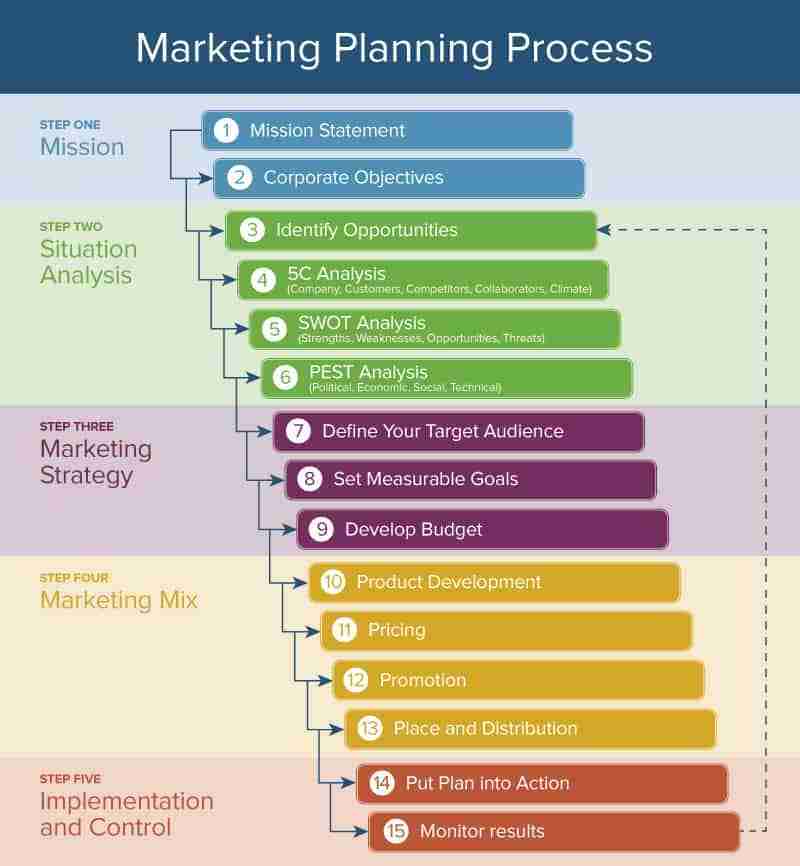
Strategic Marketing Approaches to Elevate Brand Visibility in the Rice Industry
In today’s competitive landscape, enhancing brand visibility within the rice industry necessitates the adoption of innovative marketing strategies that resonate with consumers and stakeholders alike. Storytelling plays a pivotal role; sharing the journey of the 2 Ton rice mill plant Project can forge emotional connections with audiences. Highlighting its origins, purpose, and benefits can transform mere consumers into loyal advocates. Pair this with a strong digital presence, leveraging social media platforms to share visually compelling content about the project—such as videos showcasing the milling process or infographics demonstrating efficiency gains. These elements can create an engaging experience that not only informs but also inspires trust in the brand.
Moreover, collaboration with local farmers can enhance the brand’s credibility while promoting sustainability—a key concern for modern consumers. Partnering with community stakeholders for events or workshops can elevate brand visibility significantly. Implementing promotional campaigns that transparently showcase the project’s impact on local economies by launching initiatives that encourage sustainable practices can drive engagement. Developing a loyalty program that rewards repeat customers with discounts or special offers not only incentivizes purchases but fosters community spirit. As a final touch, consider utilizing data analytics to gather insights on consumer behavior and preferences, allowing for tailored marketing efforts that resonate more deeply with your target audience.
Investment Insights: Optimizing Capital for Maximum Return on Your Rice Mill Project
In today’s competitive agricultural landscape, the effectiveness of capital allocation in a rice mill project can significantly influence overall profits. To ensure optimal returns, it is crucial to consider both initial investments and ongoing operational efficiencies. Key factors to focus on include:
- Quality of Machinery: Investing in high-efficiency rice milling equipment improves yield and reduces operational downtime.
- Location: Selecting a strategically located mill reduces transportation costs and enhances market access.
- Utilization of By-Products: Harnessing rice husks and bran can create additional revenue streams.
Additionally, maintaining a flexible approach to operational scalability is essential. If the demand for your rice products increases, consider expanding your milling capacity or diversifying product offerings. Regular performance assessments and market analysis should guide decisions on reinvestment, ensuring that your capital continues to work as hard as possible. To effectively manage costs and optimize profitability, analyze your project’s financial metrics:
| Metric | Ideal Value | Current Value |
|---|---|---|
| Return on Investment (ROI) | > 20% | 15% |
| Operating Margin | > 30% | 25% |
| Efficiency Ratio | < 75% | 80% |
By leveraging these insights, stakeholders can align their investments effectively, ensuring that each dollar contributes wisely to the overarching objective of maximizing returns while fostering long-term growth.
The Way Forward
As we draw the curtain on our exploration of the 2 Ton rice mill plant Project, it’s clear that this endeavor stands as a beacon of efficiency and opportunity within the agricultural sector. By combining innovative technology with sustainable practices, this project not only promises to enhance rice processing capabilities but also fosters economic growth and community development.
In an era where the demand for quality rice continues to rise, embracing such advancements is not merely advantageous; it’s essential. The insights garnered through this project offer a roadmap for stakeholders, from farmers to investors, highlighting the importance of embracing modern solutions to age-old challenges.
As we move forward, the implications of this project will likely ripple through the industry, inspiring future initiatives that prioritize both efficiency and responsibility. The journey towards a more robust and sustainable rice production begins here, and we invite you to stay tuned as we witness the unfolding of this transformative venture.




