
In a world where food security and sustainable agriculture are increasingly critical, innovation in farming technology is more vital than ever. Enter the 2-Ton rice mill plant Project—a forward-thinking initiative designed to transform the landscape of rice production and processing. This ambitious undertaking not only promises to streamline operations but also aims to empower local farmers, boost economies, and usher in a new era of efficiency and quality in grain processing. As we embark on this exploration of the project, we will uncover the intricacies of its design, the potential benefits for communities, and the broader implications for the agricultural sector. Join us as we unveil the details of a venture poised to revolutionize the way we think about rice milling and its profound impact on our food systems.
Understanding the Mechanics of the 2-Ton rice mill plant
The mechanics of a 2-ton rice mill plant are both fascinating and intricate, serving as a perfect blend of traditional knowledge and modern technology. At the heart of the process lies a series of well-coordinated machines designed to efficiently transform harvested paddy into high-quality rice. Key components include:
- Paddy Cleaning Unit: Removes extraneous materials, such as stones and dirt.
- Dehusker: Separates the husk from the grain, ensuring the rice kernel is intact.
- Milling Machine: Polishes the rice, enhancing its appearance and marketability.
- Grading Unit: Sorts rice based on size and quality, catering to diverse consumer demands.
To optimize the milling process, each machine operates in harmony with the others, powered by a centralized control system that monitors performance and adjusts settings as needed. This integration not only boosts efficiency but also contributes to more consistent product quality. Below is a simplified view of the workflow:
| Process Stage | Function | Output |
|---|---|---|
| Paddy Cleaning | Eliminates impurities | Clean paddy |
| Dehusking | Removes the husk | Paddy without husk |
| Milling | Polishes the rice | White rice |
| Grading | Sorts by quality | Sorted rice |

Economic Benefits and Sustainability of Small-Scale Milling
Small-scale milling operations present a myriad of economic advantages that can significantly impact local communities and agricultural ecosystems. By reducing the supply chain from farm to market, small-scale mills foster local economies, enabling farmers to obtain better prices for their produce. This model not only empowers farmers but also stimulates job creation within the community, as local milling operations require manpower for processing, packaging, and distribution. Key economic benefits include:
- Increased income for local farmers
- Creation of employment opportunities
- Reduced transportation costs
- Enhanced local food security
Emphasizing sustainability, small-scale milling also promotes environmentally friendly practices that align with modern agricultural methods. By minimizing the need for extensive transportation and supporting the use of local resources, these mills contribute to reduced carbon footprints. Furthermore, the adaptation of energy-efficient machinery and sustainable processing methods can lessen waste and promote resource conservation. Sustainable practices in small-scale milling can be highlighted through:
| Practices | Benefits |
|---|---|
| Solar Energy Usage | Reduces operational costs and carbon emissions |
| Water Recycling Systems | Conserves water resources |
| Organic Waste Utilization | Transforms waste into useful by-products |
Optimizing Operations: Key Features of Modern Rice Processing
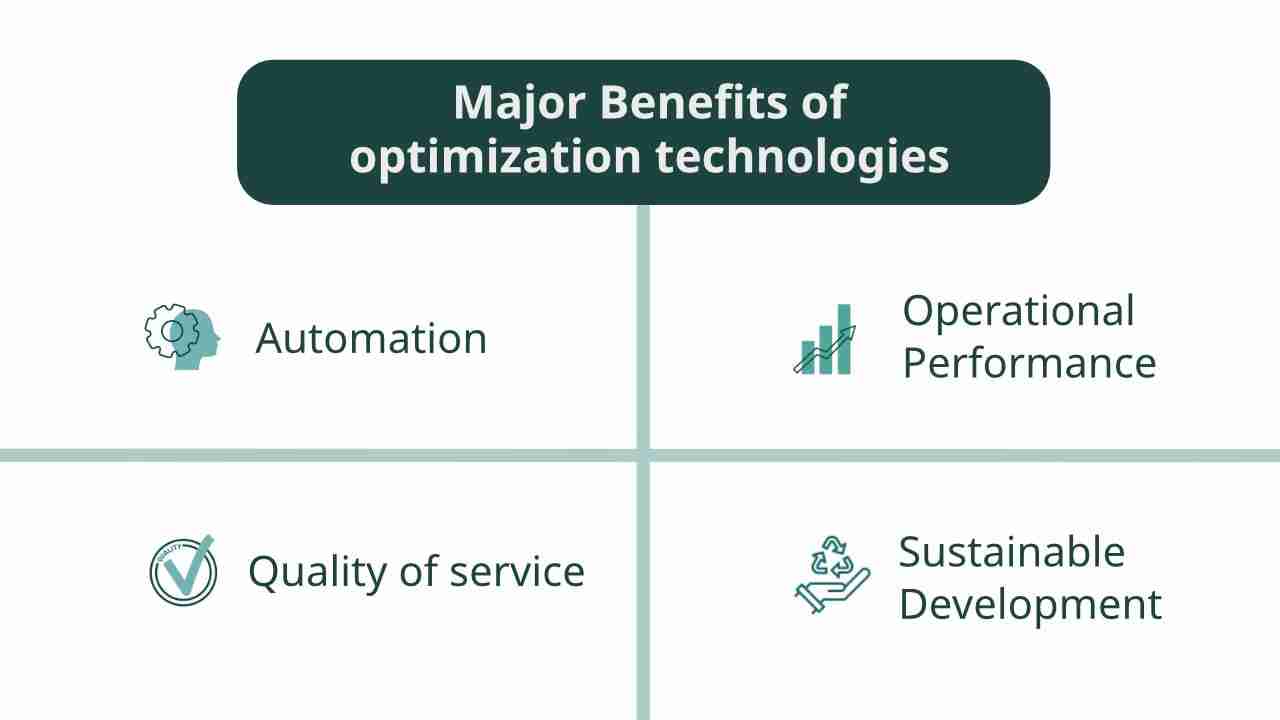
In the realm of rice processing, modern technology plays a pivotal role in enhancing efficiency and productivity. Central to this are a series of key features designed to streamline every step of the milling process. Automated systems continuously monitor and control various stages, from cleaning grain to packaging the final product. This automation reduces human error, diminishes labor costs, and ensures consistent product quality. Moreover, energy-efficient machinery powered by renewable sources not only lowers operational costs but also supports sustainable practices. Advanced milling techniques, such as stone milling and parboiling, preserve the nutritional value of rice while improving taste and texture, catering to the evolving preferences of consumers worldwide.
Furthermore, integrating data analytics tools into the milling operations offers unprecedented insights into production efficiency and market trends. These tools facilitate real-time monitoring and predictive maintenance, thereby minimizing downtime and optimizing resource allocation. To better visualize the impact of these modern systems, consider the table below, which outlines the benefits of various technological features:
| Feature | Benefit |
|---|---|
| Automated Systems | Minimizes human error, enhancing consistency |
| Energy Efficiency | Reduces operational costs and environmental impact |
| Data Analytics | Improves production efficiency through insights |
| Advanced Milling Techniques | Enhances nutritional quality and consumer appeal |
Future Prospects: Innovations Shaping the Grain Industry
As the grain industry continues to evolve, several innovations are paving the way for increased efficiency and sustainability. The emergence of smart technology has allowed for better monitoring and management of grain production processes. Farmers can now utilize IoT devices that gather real-time data on soil moisture, temperature, and crop health, leading to precise farming practices that enhance yield. Additionally, automated machinery equipped with artificial intelligence is revolutionizing the way harvesting and milling are performed, minimizing labor costs and maximizing productivity. The integration of these technologies is not just a trend; it signifies a fundamental shift towards a more data-driven industry.
Another exciting development is the rise of sustainable practices within the grain sector. The implementation of eco-friendly milling technologies is reducing energy consumption and waste generation. New bioprocessing techniques utilize less water and energy while maintaining operational efficiency. This commitment to sustainability is bolstered by the adoption of biodegradable packaging solutions for grains, catering to the increasing consumer demand for environmentally responsible products. The intersection of innovation and sustainability in grain processing not only meets market expectations but also fosters a healthier ecosystem.
| Innovation | Description |
|---|---|
| Smart IoT Devices | Real-time monitoring of crops for improved decision-making. |
| Automated Harvesting | AI-driven machinery to enhance efficiency and reduce labor costs. |
| Sustainable Milling | Techniques that reduce energy usage and waste. |
| Biodegradable Packaging | Eco-friendly solutions catering to consumer preferences. |
To Conclude
the unveiling of the 2-ton rice mill plant project marks a significant step forward in the evolution of grain processing and agricultural sustainability. This initiative not only promises to enhance local economies by creating jobs and boosting productivity but also embodies a commitment to innovation in the agricultural sector. As this project unfolds, stakeholders can look forward to witnessing how advanced milling techniques can transform rice production, ensuring that communities have access to high-quality grains while minimizing environmental impact. The future of grain processing is indeed bright, and the 2-ton rice mill plant serves as a beacon of what can be achieved when dedication meets ingenuity. The journey has only just begun, inviting farmers, investors, and consumers alike to participate in this promising chapter of agricultural advancement. As we turn our gaze to the horizon, let us remain hopeful and engaged in the unfolding narrative of grain revolution.




