
Unlocking Quality: The Essential Guide to Rice Milling Units
In the heart of agricultural production lies a staple food that sustains billions—rice. The journey from paddies to plates is a meticulous process, heavily influenced by the efficiency of rice milling units. As global demand for high-quality rice continues to rise, understanding the intricacies of these pivotal machines becomes essential for producers, suppliers, and consumers alike. This guide aims to demystify the world of rice milling, exploring the technology, techniques, and best practices that contribute to the perfect grain. Whether you’re a seasoned mill operator or simply curious about the inner workings of this vital industry, join us as we unlock the secrets to elevating quality in rice production.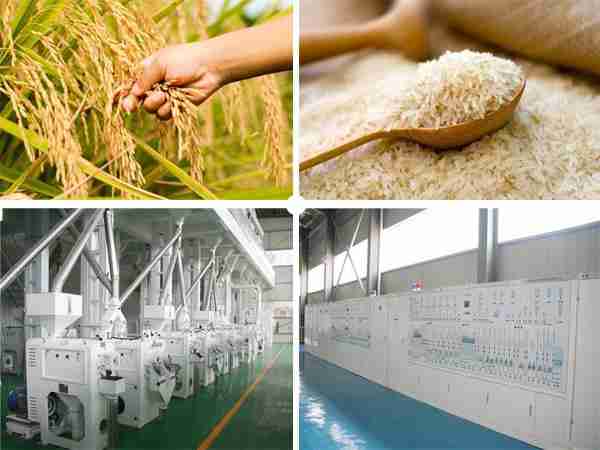
Understanding the Fundamentals of Rice Milling Technology
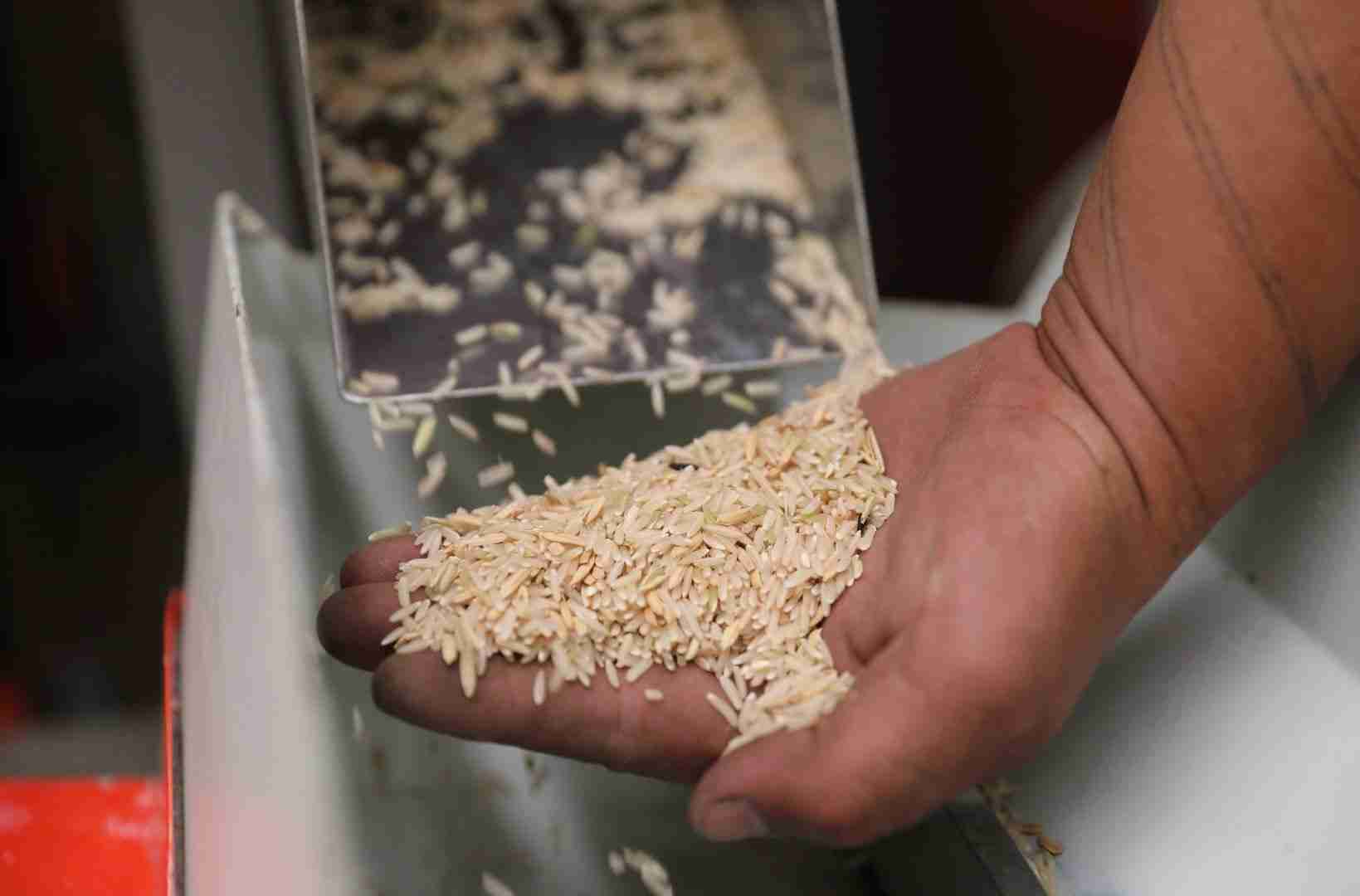
Rice milling technology forms the backbone of the rice processing industry, transforming paddy into high-quality white rice. At its core, this process encompasses several critical stages that work in harmony to preserve the nutritional and sensory qualities of the grain. Key operations in rice milling include cleaning, husking, milling, and polishing. Each step requires specialized equipment, ensuring minimal damage to the rice kernels and maximizing yield:
- Cleaning: The initial step where impurities such as stones, dirt, and other foreign materials are removed.
- Husking: The removal of the outer husk to expose the brown rice.
- Milling: The process that involves grinding the brown rice to achieve the desired degree of whiteness.
- Polishing: Enhances the visual appeal and further refines the texture.
Understanding the intricacies of these stages is vital for optimizing the output and maintaining the quality of rice. Modern milling units incorporate advanced machinery, automated systems, and precise controls to improve efficiency and sustainability. For a clearer perspective, consider the table below, which highlights some common rice milling machinery along with their primary functions:
| Machine Type | Function |
|---|---|
| Destoner | Removes stones and heavy impurities from paddy. |
| Husk Separator | Separates husk from the brown rice. |
| Milling Machine | Grinds brown rice to white rice. |
| Polisher | Improves the aesthetic quality of the rice. |
Exploring Essential Equipment for Optimal Rice Processing
In the quest for high-quality rice, the choice of processing equipment plays a pivotal role. Investing in the right machines not only enhances production efficiency but also ensures that the final product meets market standards. Essential equipment encompasses a variety of machines such as rice huskers, de-stoners, and paddy separators. Each piece contributes crucially to different stages of the milling process:
- Rice Huskers: Remove the outer husk layer to reveal the brown rice.
- De-stoners: Eliminate stones and impurities, ensuring clean grains.
- Paddy Separators: Sort paddy from brown rice efficiently.
- Rice Grinders: Refine grains to achieve the desired texture.
- Packagers: Ensure safe storage and transportation of processed rice.
Moreover, the incorporation of modern technology like automated milling units can elevate production standards significantly. These advanced systems utilize state-of-the-art sensors and software to optimize each milling stage, providing real-time feedback and adjustments. Below is a quick comparison of some key benefits afforded by modern versus traditional equipment:
| Feature | Modern Equipment | Traditional Equipment |
|---|---|---|
| Efficiency | High throughput with minimal downtime | Lower capacity, more manual labor |
| Quality Control | Real-time monitoring and adjustments | Manual checks, prone to errors |
| Cost-effectiveness | Long-term savings through reduced labor costs | Higher operational costs |

Best Practices for Ensuring Quality and Efficiency in Milling
To achieve excellence in rice milling, it’s crucial to integrate a range of best practices that foster both quality and efficiency. Selecting the right equipment tailored to your specific needs can drastically improve output quality. Invest in advanced milling machines with built-in technology that optimally adjusts parameters based on the variety of rice being processed. Furthermore, regular maintenance schedules should be established to keep machinery functioning at its best. This not only prevents downtime but also enhances the lifespan of the equipment. Other practices include maintaining a clean workspace to minimize contamination, and ensuring that moisture content in paddy is monitored and adjusted before milling, as this can significantly impact the final product’s quality.
Staff training is another critical element in achieving superior outcomes in rice milling. Empower your operators with comprehensive training focused on both the technical and operational aspects of milling technology. A well-informed team can troubleshoot potential problems early and optimize machine settings to improve throughput. Additionally, implementing a robust quality control system can streamline the feedback loop, allowing operators to respond swiftly to any quality discrepancies. Below is a simple table showcasing key factors that influence milling quality and their recommended practices:
| Factor | Recommended Practice |
|---|---|
| Equipment | Regular maintenance and updates |
| Moisture Content | Use moisture analyzers before milling |
| Staff Expertise | Ongoing training sessions |
| Quality Control | Establish routine testing procedures |
Strategies for Selecting and Maintaining Your Rice Milling Unit
When selecting a rice milling unit, it’s crucial to consider specific factors to ensure optimal performance and quality output. Capacity is one of the first aspects to ponder; ensure the unit can handle the volume you intend to process. Evaluate the milling technology as well; various systems, whether traditional or modern, have distinct benefits that align with different processing needs. Additionally, don’t overlook energy efficiency—a unit that conserves power can lead to significant savings over time. To make an informed choice, it’s advisable to:
- Research multiple brands and models
- Compare specifications and features
- Attend demonstrations or trade shows
- Seek recommendations from industry experts
Once you have chosen the right milling unit, ongoing maintenance is essential for long-term performance. Regular upkeep helps prevent breakdowns and ensures consistent quality in the milled rice. Create a maintenance schedule that includes daily cleaning of components, weekly inspections for wear and tear, and monthly checks of electrical and mechanical systems. Proper training for your operators is also vital to maintain high operational standards. Consider incorporating these practices into your routine:
- Lubricating components as recommended
- Keeping the milling environment free of dust and debris
- Monitoring the moisture content in rice to prevent clumping.
Here’s a concise overview of key maintenance tasks:
| Maintenance Task | Frequency | Notes |
|---|---|---|
| Cleaning of components | Daily | Use soft brushes to avoid damage. |
| Inspection for wear and tear | Weekly | Check belts, gears, and bolts. |
| Moisture content check | Monthly | Keep at optimal levels to avoid spoilage. |
Concluding Remarks
As we conclude our exploration of rice milling units, it is clear that these essential tools serve as the backbone of an industry that nourishes millions. By unlocking the secrets of quality milling, we not only enhance the value of this staple food but also contribute to the sustainability and efficiency of agricultural practices worldwide. From understanding the intricate machinery to implementing best practices, investing in proper rice milling techniques empowers farmers and communities alike to thrive.
In a world that increasingly values quality and sustainability, the journey towards perfecting rice milling is not just about transforming grains; it’s about transforming lives. Armed with the insights from this guide, you are now equipped to navigate the complexities of rice milling units and champion a future rich in quality and innovation. Let this knowledge cultivate success, nourish growth, and elevate the humble grain to its rightful place at the heart of our tables.




