
In a world where food security and sustainable agriculture have never been more pressing concerns, the humble rice milling unit emerges as a pivotal player in the global food supply chain. As the backbone of rice processing, these units not only transform raw grain into a staple food but also unlock an array of economic opportunities for communities across the globe. By examining the intricate dynamics of modern rice milling, we can better understand how these facilities adapt to changing technologies, evolving market demands, and the imperative of resource efficiency. This article delves into the contemporary significance of rice milling units, exploring their multifaceted roles in enhancing agricultural productivity, supporting local economies, and contributing to a more resilient food system. Join us as we unearth the potential that lies within these essential operations and their far-reaching impact on both the environment and society.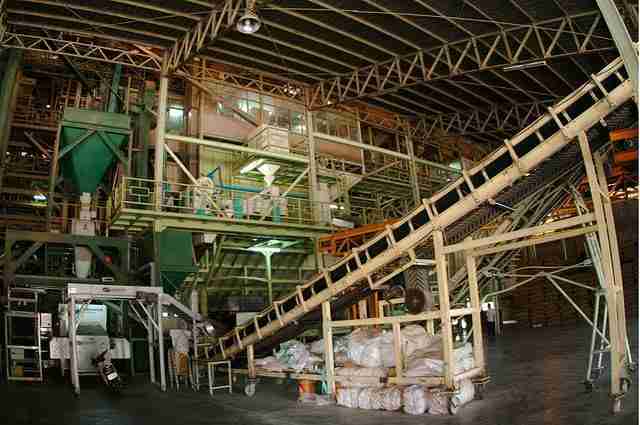
Exploring the Modern Landscape of Rice Milling Technologies
The evolution of rice milling technologies has dramatically transformed the agricultural sector, significantly enhancing processing efficiency and quality. Today’s rice mills are not merely about separating husks from grains; they are sophisticated units that integrate precision engineering and automation to streamline operations. This modern landscape features advanced machinery equipped with computerized controls, enabling millers to monitor operations in real time, ensuring optimal performance and minimal waste. As environmental concerns rise, many milling units also incorporate energy-efficient designs and sustainable practices, contributing to more eco-friendly production cycles.
Key advancements have revolutionized how rice is processed, including:
- Innovative Sorting Technologies: Utilizing optical sensors and AI-driven analytics to ensure uniform quality.
- Integrated Cleaning Systems: Enhancing the purity of rice by removing impurities effectively.
- Automated Packaging Solutions: Facilitating faster and more accurate packaging processes.
To illustrate the impact of these technologies, consider the table below that compares traditional and modern rice milling processes:
| Feature | Traditional Milling | Modern Milling |
|---|---|---|
| Processing Speed | Slow | Rapid |
| Labor Requirements | High | Reduced |
| Energy Consumption | Higher | Lower |
| Product Quality | Variable | Consistent |

Enhancing Quality and Sustainability in Rice Production
Rice milling units play a crucial role in transforming harvested rice into a high-quality product that meets market demands. By utilizing advanced milling techniques, these units can significantly enhance the nutritional profile of rice, ensuring higher levels of essential vitamins and minerals. Key methods employed include:
- Polishing: Elevates the visual appeal of the rice while maintaining essential nutrients.
- Sorting: Separates high-quality grains from broken or damaged ones, optimizing market value.
- Fortification: Enriches rice with micronutrients, addressing public health concerns related to malnutrition.
Moreover, the integration of sustainable practices within rice milling operations has the potential to minimize environmental impact and enhance resource efficiency. Innovations such as water recycling systems and energy-efficient machinery are essential for reducing the carbon footprint associated with milling processes. Additionally, the promotion of organic rice production and local sourcing can foster community development while ensuring a sustainable supply chain. Consider the following sustainable practices:
| Practice | Benefit |
|---|---|
| Water Management | Reduces water usage by up to 30%. |
| Renewable Energy Sources | Decreases reliance on fossil fuels. |
| Waste Utilization | Recycles by-products for bioenergy production. |

Empowering Local Economies through Rice Milling Initiatives
In many regions, rice milling units serve as essential catalysts for economic growth. These local enterprises not only enhance the value of raw agricultural produce but also create a plethora of job opportunities within the community. By transitioning paddy to rice, these milling initiatives contribute significantly to the livelihood of farmers, allowing them to enjoy better earnings directly from their crops. Furthermore, local milling units often encourage cooperative farming practices, whereby farmers band together for collective purchasing and marketing, effectively raising their negotiation power against larger corporations.
The benefits of rice milling extend beyond immediate economic empowerment. By investing in modern milling technologies, communities can improve efficiency and reduce post-harvest losses, thus further enhancing food security. Additionally, these units can stimulate related sectors, such as transport and marketing, paving the way for more robust local supply chains. The ripple effect of a thriving rice milling initiative creates a sustainable ecosystem where:
- Job Creation: Direct employment in milling and associated services.
- Improved Income: Higher profits for farmers and mill operators.
- Market Accessibility: Easier access to wider markets for local rice.
- Community Development: Funds are re-invested into local projects and infrastructure.
| Impact | Description |
|---|---|
| Economic Growth | Strengthening local economies through increased sales and income. |
| Food Security | Reducing dependency on external rice sources by enhancing local production. |
| Social Cohesion | Fostering collaboration among farmers and community members. |
Navigating Challenges and Future Opportunities in the Industry
In the evolving landscape of agricultural production, rice milling units face several challenges that require strategic navigation. Firstly, the demand for efficiency is paramount, compelling these units to integrate advanced technologies such as automation and data analytics. These tools not only streamline operations but also enhance quality control, ensuring that the end product meets the rigorous standards expected in today’s market. Additionally, sustainability has emerged as a crucial consideration; consumers are increasingly seeking eco-friendly practices. This invites rice milling units to adopt greener methods, from energy-efficient machinery to waste reduction initiatives.
Looking ahead, there are abundant opportunities to revitalize the sector. The global push for organic and specialty rice varieties opens up avenues for mills to diversify their product offerings, catering to niche markets seeking premium goods. Enhanced collaboration with local farmers can also foster a more resilient supply chain, allowing mills to secure high-quality inputs while supporting local economies. Furthermore, investing in digital transformation can unlock new distribution channels, enhancing market reach through e-commerce platforms. To visualize these potential pathways, we can break down the opportunities and challenges into a simple table:
| Opportunities | Challenges |
|---|---|
| Expansion of product range | Intense market competition |
| Adoption of sustainable practices | Investment in new technology |
| Strengthening supply chain collaboration | Adapting to regulatory changes |
| Leveraging digital platforms | Skill gaps in workforce |
To Wrap It Up
In a world where food security and sustainable development are increasingly pressing concerns, rice milling units stand as unsung heroes in the agricultural landscape. Their ability to enhance the quality of this staple grain not only supports the livelihoods of farmers but also contributes to the broader economic tapestry of communities. As we’ve explored, these units are more than just machines; they embody innovation, efficiency, and potential.
As we look to the future, the evolution of rice milling technology and practices will undoubtedly continue to unlock new possibilities. It is crucial for stakeholders—from farmers to policymakers—to recognize and invest in these pivotal units to ensure they remain efficient and sustainable in meeting the growing demands of a global population.
In this pursuit, collaboration and adaptation will be key, fostering an environment where rice milling units can thrive and, in turn, help nourish the world. As we close this discussion, let us remember that in the grain of rice lies not just sustenance, but the potential to inspire change, drive progress, and cultivate a more food-secure future for all.




