
Unlocking Potential: The Art and Science of Rice Milling Units
In the heart of agricultural innovation lies a process that transforms humble grains into culinary staples cherished across cultures: rice milling. Though often overlooked, this intricate operation is a harmonious blend of tradition and technology, where the ancient art of grain processing meets the precision of modern engineering. As rice serves as a primary food source for nearly half of the world’s population, understanding the mechanisms behind rice milling units reveals a fascinating interplay of science, craftsmanship, and sustainability. In this article, we embark on a journey to explore the multifaceted dimensions of rice milling, unveiling the potential it holds not just for enhancing food quality but also for advancing economic growth and environmental stewardship in rice-producing regions. Join us as we delve into the world of rice milling units, where each grain tells a story of resilience, innovation, and promise.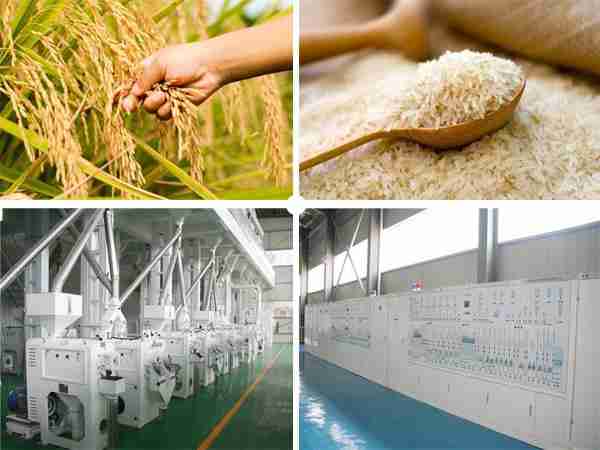
Understanding the Fundamentals of Rice Milling Technology
Rice milling technology is a multifaceted process that transforms raw paddy into the polished grains we see on our kitchen shelves. Understanding each aspect of this transformation is crucial for optimizing production and ensuring the highest quality end product. The milling process consists of several major stages, including pre-cleaning, hulling, milling, and polishing. Each stage employs specific machinery designed to enhance efficiency and maintain the integrity of the grain, thereby securing the nutritional value and flavor. Key components that play a vital role in this journey are:
- Paddy separator: Separates good grains from broken ones
- Husk removal machine: Efficiently removes the outer husk
- Milling machine: Takes on the task of grinding the rice
- Polishing units: Enhances the outer appearance of the rice
The implementation of modern technologies in rice milling has brought about a revolution in production capabilities. Advanced sensors and automated systems are increasingly being employed to monitor and optimize these processes, significantly reducing waste and enhancing yield. To illustrate the variations in rice milling practices across the globe, consider the following table:
| Region | Milling Method | Key Features |
|---|---|---|
| Asia | Traditional stone milling | Minimal processing, retains nutrients |
| North America | Modern automated systems | High efficiency, low waste |
| Africa | Small-scale, manual milling | Accessible technology, local adaptation |
This approach not only diversifies production techniques but also promotes regional sustainability and customizes milling practices to meet local preferences. As we continue to explore these advancements, it becomes critical to acknowledge the balance between tradition and innovation in the world of rice milling.

Enhancing Efficiency Through Modern Machinery Innovations
The evolving landscape of the agricultural sector has seen a remarkable shift towards the integration of high-tech machinery that drastically enhances productivity. Innovations in rice milling units have revolutionized traditional practices, enabling farmers and mill operators to streamline operations with precision. Modern machinery, equipped with advanced features such as automated sorting, high-efficiency huskers, and precision milling mechanisms, not only optimize rice quality but also minimize production time and waste. Users benefit from real-time data analytics, allowing for better decision-making and management of resources, which ultimately translates into increased profitability.
One of the most significant advancements is the transition towards eco-friendly technologies that reduce energy consumption and emissions. By adopting machinery with energy-efficient designs and using alternative power sources like solar energy, rice millers can not only lower their operational costs but also contribute positively to the environment. Additionally, the implementation of smart farming techniques using IoT and AI within milling units is paving the way for precision agriculture that ensures optimal yield. Below is a snapshot of the key innovations impacting the industry:
| Innovation | Description |
|---|---|
| Automated Sorting | Minimizes manual labor, enhancing speed and accuracy. |
| Smart Sensors | Provides real-time quality monitoring and data analytics. |
| Energy-Efficient Designs | Reduces overall operational costs and environmental impact. |
| AI-Driven Analytics | Optimizes production planning and resource allocation. |
Quality Control in Rice Milling: Best Practices and Techniques
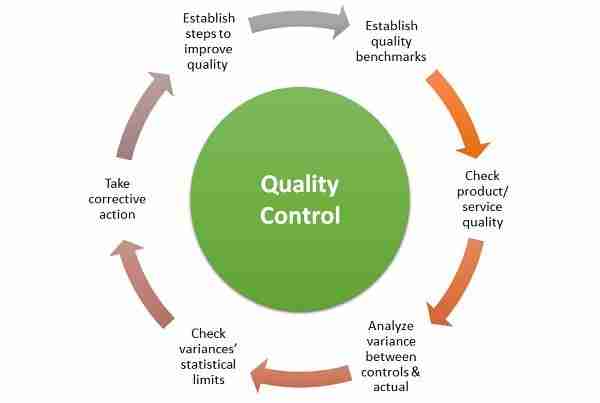
Achieving excellence in rice milling necessitates a robust quality control framework that integrates both art and science. Effective monitoring throughout the milling process is crucial to ensure that the final product meets industry standards while satisfying consumer preferences. Key practices that can dramatically enhance quality include:
- Regular Equipment Calibration: Ensuring that all machinery is correctly calibrated prevents inconsistencies and optimizes production levels.
- Moisture Content Analysis: Maintaining ideal moisture levels during storage and processing is vital for preserving grain quality and preventing spoilage.
- Visual Inspections: Routine inspections for damaged grains help identify quality issues early, allowing for prompt corrective actions.
Incorporating advanced techniques can further strengthen quality control measures. For instance, the use of automated sorting and grading systems enhances the precision of separating high-quality grains from defects. Additionally, implementing a robust feedback loop with stakeholders provides invaluable data that fosters continuous improvement. Here’s a simple overview of best practices:
| Practice | Description |
|---|---|
| Visual Quality Checks | Regular inspections for impurities and damaged grains. |
| Moisture Management | Monitoring and adjusting moisture levels during milling. |
| Calibration of Equipment | Routine checks to ensure machinery is functioning optimally. |
Sustainable Practices in Rice Milling for Long-Term Success
In the quest for efficiency, modern rice milling units are discovering the intricate balance between productivity and environmental stewardship. By embracing renewable energy sources, such as solar panels and biomass systems, mills can significantly reduce their carbon footprint. Additionally, implementing water recirculation systems not only enhances the sustainability of operations but also leads to substantial cost savings. Other key practices include:
- Waste Reduction: Engaging in strategies that minimize by-products, such as reusing husks and bran.
- Energy Efficiency: Upgrading to energy-efficient machinery to lower electricity consumption.
- Community Engagement: Collaborating with local farmers to promote sustainable practices from the ground up.
Moreover, adopting precision milling techniques is crucial for maximizing yield while minimizing grain loss. By utilizing advanced technology, millers can better monitor moisture levels and milling durations, ensuring that both quality and quantity are optimized. For those considering investments in sustainable practices, understanding their long-term benefits through a simple comparison can shed light on potential returns. Below is an example of a benefits overview:
| Practice | Short-Term Benefits | Long-Term Benefits |
|---|---|---|
| Renewable Energy | Reduced bills | Energy independence |
| Water Recirculation | Conserved resources | Lower operational costs |
| Precision Milling | Improved quality | Higher marketability |
The Conclusion
As we draw the curtain on our exploration of “Unlocking Potential: The Art and Science of Rice Milling Units,” it becomes evident that this intricate process is a blend of tradition and innovation. The humble rice grain, nourished by the sun and soil, transforms into a staple of nourishment through the meticulous workings of milling units that embody both artistry and precision.
In this journey, we’ve uncovered the layers of technology and skill that elevate rice milling into a dance of efficiency and sustainability. From the nurturing of agricultural practices to the final transformation of paddy to polished grain, each step is a testament to human ingenuity and respect for nature’s bounty.
As we move forward, the challenge lies not just in optimizing these systems but in continuing to foster a harmonious relationship between these enhancements and the communities that depend on them. By appreciating the delicate balance of art and science involved in rice milling, we can unlock even greater potential—not only for the industry but for the livelihoods that it sustains.
Let us continue to engage with this rich tapestry, recognizing that every grain milled brings with it a story of dedication, resilience, and hope for the future. In this ever-evolving narrative, the rice milling unit stands as a beacon, guiding us toward sustainable progress for generations to come.




