
In a world where innovation meets tradition, the agricultural sector stands at the forefront of transformative change. Among the myriad of advancements, one initiative shines brightly, promising to revolutionize rice milling and empower communities: the 2-Ton rice mill plant Initiative. This groundbreaking project is not merely about enhancing productivity; it embodies a vision of sustainability, economic growth, and localized food security. By harnessing modern technology while respecting age-old practices, the initiative seeks to unlock the potential of smallholder farmers, providing them with the tools and resources needed to thrive in a competitive market. In this article, we delve into the multifaceted layers of this initiative, exploring its far-reaching implications for communities, economies, and the environment. Join us on this journey as we uncover how the 2-Ton rice mill plant Initiative stands to reshape the future of rice production and uplift those who cultivate this staple of life.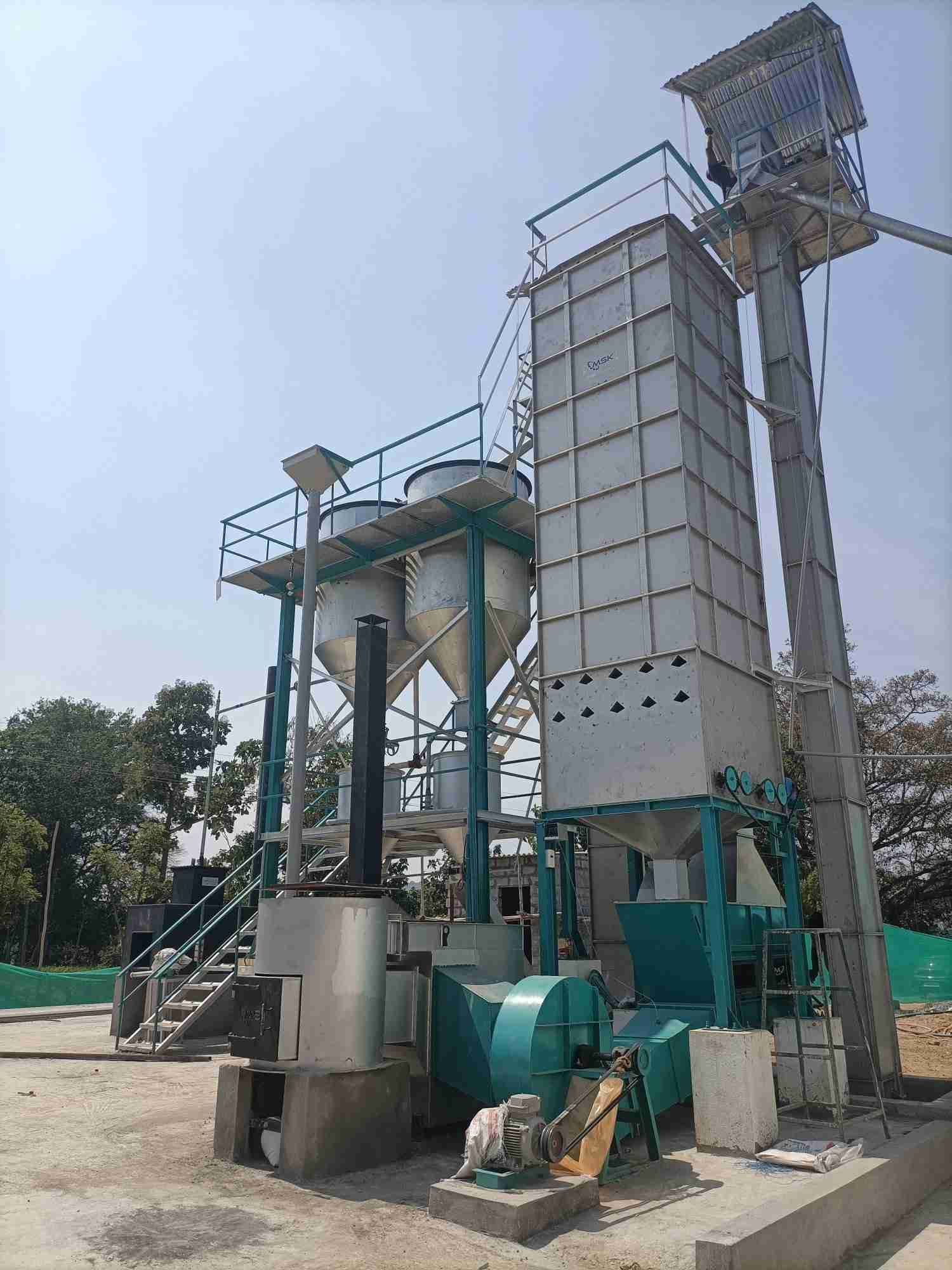
Exploring the Impact of the 2-Ton rice mill plant on Local Economies
The establishment of a 2-ton rice mill plant plays a pivotal role in stimulating local economies, particularly in rural areas where agriculture is the backbone of livelihood. By processing rice locally, communities gain economic independence, reducing reliance on external markets and intermediaries. This initiative fosters the growth of small-scale farmers, who benefit directly from increased demand for their produce. As a result, local employment opportunities expand through the creation of jobs related to milling, transporting, and selling rice. The ripple effect of job creation extends beyond the plant itself, further benefiting local businesses that supply the mill and those that provide ancillary services.
Moreover, increased rice production and processing can lead to enhanced food security and sustained growth of agribusinesses. Local farmers can reinvest their earnings into their farms, resulting in improved agricultural practices and higher yield outputs. This creates a more resilient and diversified economic landscape. The table below outlines the key benefits that the 2-ton rice mill plant can bring to the community:
| Benefit | Description |
|---|---|
| Increased Income | Farmers enjoy higher prices for milled rice, enhancing their overall income. |
| Employment Opportunities | Jobs are created in milling operations, maintenance, and distribution. |
| Improved Food Security | More local rice production reduces dependency on imported grains. |
| Investment in Agriculture | Farmers can invest in better equipment and seed varieties. |

Innovative Technologies Driving Efficiency in Rice Milling Operations
The rise of innovative technologies in rice milling is reshaping the landscape of production efficiency, offering solutions that enhance both output and quality. Automation plays a pivotal role in this evolution, allowing for seamless operation and reducing the need for manual labor. Smart sensors and IoT-enabled devices provide real-time monitoring of the milling process, ensuring optimal performance and minimal downtime. These technologies not only streamline operations but also contribute to precision in grain processing, which ultimately enhances the quality of the final product.
Moreover, energy-efficient machinery is gaining traction in modern rice mills, significantly lowering operational costs. By leveraging variable frequency drives (VFDs) and high-efficiency motors, rice mill plants can reduce energy consumption while maintaining peak productivity. The implementation of renewable energy solutions, such as solar panels and biomass energy, further supports sustainable practices in rice milling. The integration of these technologies results in a more resilient operation, capable of meeting the growing global demand while prioritizing ecological responsibility. For instance, a comparative analysis of energy consumption in traditional vs. modern mills reveals remarkable differences:
| Mill Type | Energy Consumption (kWh/ton) | Efficiency Gain |
|---|---|---|
| Traditional Mill | 150 | N/A |
| Modern Automated Mill | 90 | 40% |

Sustainability Practices in Rice Production and Processing
Implementing eco-friendly strategies in rice production and processing is essential for ensuring agricultural sustainability and enhancing the resilience of farming communities. By harnessing innovative techniques, farmers can significantly reduce their environmental footprint. Key practices include:
- Integrated Pest Management (IPM): Utilizing natural predators and organic pesticides to control pests, minimizing chemical use.
- Water Management: Employing efficient irrigation methods, such as drip irrigation and rainwater harvesting, to conserve water resources.
- Crop Rotation: Alternating rice with other crops to maintain soil fertility and prevent pest cycles.
In addition to sustainable farming methods, processing practices also play a vital role in enhancing the ecological impact of rice production. By adopting clean energy solutions and waste recycling methods, mills can operate more efficiently and reduce emissions. For instance:
- Solar Energy Utilization: Harnessing solar panels to power rice milling to lower dependence on fossil fuels.
- By-product Utilization: Converting rice husks and bran into biofuel or animal feed, thus minimizing waste.
- Wastewater Treatment: Implementing effective systems to recycle water used in processing, ensuring minimal environmental disruption.
| Practice | Benefit |
|---|---|
| Integrated Pest Management | Reduces pesticide use and promotes biodiversity |
| Efficient Irrigation | Conserves water and lowers operational costs |
| Clean Energy Solutions | Lowers carbon footprint and operational expenses |
| By-product Recycling | Creates additional revenue streams and reduces waste |
Strategies for Engaging Community Stakeholders in the Initiative
Engaging community stakeholders in the 2-ton rice mill plant initiative is essential for fostering collaboration and ensuring sustainability. One effective approach is to create open channels of communication that invite stakeholder participation at every stage of the project. Regular meetings, community forums, and social media platforms can serve as crucial spaces for dialogue, allowing stakeholders to voice their ideas, concerns, and aspirations. By actively listening to the community, the initiative can be tailored to meet local needs, which will enhance both support and investment in the endeavor.
Another strategy involves leveraging local resources and expertise to build a sense of ownership among stakeholders. This can take the form of partnerships with local businesses, educational workshops, and skill development programs that empower individuals and foster a communal identity around the rice mill. Incorporating local voices into the planning and operational phases creates a shared vision of success, where everyone plays a vital role in realizing the project’s goals. The following table outlines potential community engagement activities and their anticipated benefits:
| Activity | Benefit |
|---|---|
| Bi-Monthly Community Meetings | Build trust and transparency |
| Workshops for Local Farmers | Enhance skills and knowledge |
| Social Media Campaigns | Increase awareness and participation |
| Local Business Collaborations | Strengthen economic ties |
Final Thoughts
As we reflect on the transformative journey of the 2-Ton rice mill plant Initiative, it becomes clear that this venture is about more than just grains and machinery; it symbolizes hope, resilience, and the promise of progress. By empowering local communities with the tools and resources necessary to excel, we are not just unlocking the potential of rice milling but also sowing the seeds for economic growth and sustainability. The initiative inspires us to envision a future where innovation and collaboration can pave the way for agricultural prosperity.
As we stand on the threshold of this new era in rice production, let us carry forward the lessons learned, the challenges faced, and the victories celebrated. Together, we can nurture the potential within our societies, cultivating not just crops but futures rich with opportunity. The journey continues, and with each step taken, we move closer to a world where potential knows no bounds.




