
Unlocking Excellence: The Essential Guide to Rice Milling Units
In the heart of countless cuisines around the globe lies a staple that has nourished civilizations and sparked culinary innovation for centuries—rice. Yet, before this versatile grain reaches our plates, it undergoes a transformative journey through rice milling units. These facilities play a critical role in the agricultural supply chain, ensuring that raw paddy is expertly processed into the polished grains we cherish. But what truly defines a successful rice milling operation? As we delve into the intricacies of rice milling units, we aim to unpack the essential elements that contribute to efficiency, quality, and sustainability in an industry that remains as vital today as it has ever been. From the technological advancements reshaping the traditional methods to best practices for maximizing yield, this guide serves as your compass, leading you through the complex yet fascinating world of rice milling, where excellence is not just a goal, but a journey.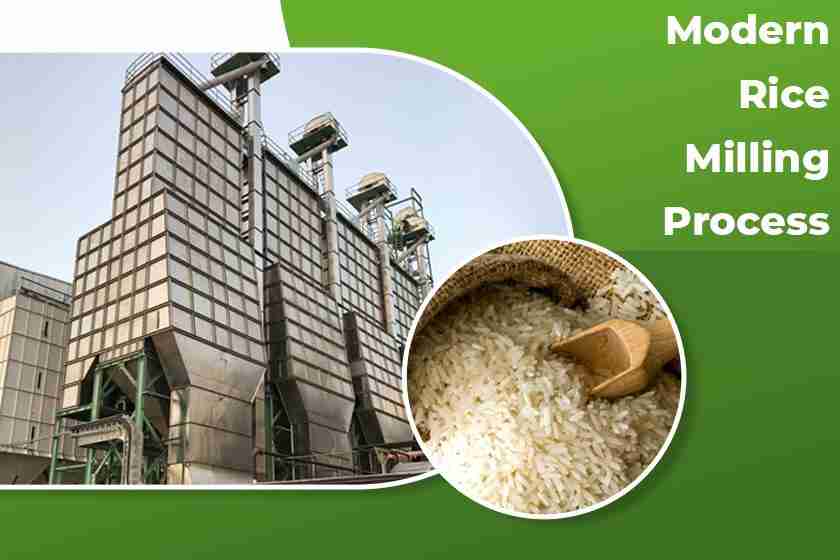
Understanding the Fundamentals of Rice Milling Technology
Rice milling technology is a complex yet fascinating process that transforms paddy into the polished, ready-to-cook rice that we are all familiar with. Understanding this technology involves grasping the key components and stages involved in milling. First and foremost, the process begins with cleaning the paddy to remove any extraneous materials. Next, husking separates the hull from the grain, followed by milling, where the brown rice is polished to produce white rice. Each stage plays a crucial role in ensuring optimal quality and yield, making the choice of machinery and methods vital to a successful milling operation.
When considering the technology used in rice milling, a few principal factors should be assessed to ensure efficiency and effectiveness. These include:
- Type of Machinery: Choose modern, automated machines that enhance productivity.
- Energy Consumption: Optimize equipment to reduce energy costs without compromising output.
- Quality Control: Implement systems to monitor and maintain quality at every stage.
Furthermore, labor considerations are equally important. The right training and skill development for personnel will facilitate smoother operations and enhance overall output quality. Exploring these fundamentals not only promotes efficiency but also ensures that the end product meets the standards expected by consumers.

Key Components and Their Impact on Efficiency
In the quest for optimal rice milling, several vital components play a crucial role in influencing the overall operational efficiency of the unit. Each element is designed not only to contribute to the milling process but also to enhance the quality of the final product. Among these key components are:
- Pre-cleaners: Remove impurities from the paddy before milling, ensuring a higher quality end product.
- Husker: Efficiently removes husk from rice grains, impacting throughput and energy consumption.
- Separator: Classifies grains based on size and density, improving the consistency of milled rice.
- Whiteners: Polish the rice, ensuring a visually appealing finish while optimizing energy usage.
- Grading Equipment: Sorts milled rice into various quality grades, crucial for market acceptance.
Furthermore, the integration of advanced technology in these components enhances their functionality. Automation and precision engineering not only speed up processes but also reduce the likelihood of errors and ensure consistent quality. For example, the implementation of sensors in milling units can lead to:
| Sensor Type | Efficiency Benefit |
|---|---|
| Moisture Sensors | Optimize drying times and reduce energy consumption. |
| Quality Sensors | Ensure that only the highest grade rice is processed further. |
| Flow Rate Sensors | Enhance feed control for consistent throughput. |
Through the synergy of these components and modern technological advancements, rice milling units can significantly improve their productivity, reduce waste, and meet the increasing demand for high-quality rice worldwide.

Best Practices for Quality Control in Rice Milling
Quality control in rice milling is fundamental to ensure that consumers receive a product that meets their expectations. It is vital to implement rigorous testing at various stages of the milling process. Regular sampling and testing for impurities should be prioritized. Effective practices include monitoring moisture content, assessing grain quality, and conducting taste tests. Each batch should be checked for key quality indicators such as whiteness, broken kernel percentage, and aroma. Establishing a feedback loop can help in making real-time adjustments to enhance product quality.
In addition to routine checks, cultivating a skilled workforce is essential for the success of quality control measures. Training workers on standard operating procedures and quality control measures can lead to improved milling practices. Consider implementing a centralized tracking system to document all quality checks performed, making it easier to identify any trends or recurrent issues. To visualize the data effectively, using a table format can facilitate quick analysis. Here’s a suggested layout for recording key quality metrics:
| Quality Metric | Target Value | Actual Value | Comments |
|---|---|---|---|
| Moisture Content | 13% | 12.5% | Within acceptable range |
| Broken Kernels % | 5% | 7% | Adjust milling speed |
| Whiteness Score | 80 | Standard met | |
| Aroma Assessment | Positive | Positive | Consistent |
Exploring the Future of Rice Milling: Innovations and Trends
The rice milling industry is witnessing a wave of significant advancements that are reshaping traditional practices. One of the standout innovations is the use of smart technology, which incorporates sensors and AI-driven analytics to optimize the milling process. This technology not only enhances efficiency but also minimizes waste and energy consumption, leading to more sustainable operations. Key features include:
- Automated Quality Control: Real-time monitoring of grain quality.
- Predictive Maintenance: AI algorithms predict machine failures before they happen.
- Data-Driven Decisions: Advanced analytics help in optimizing operational parameters.
Moreover, innovations in mechanical designs are fostering greater yield during the milling process. Modern milling units are being engineered to minimize the breakage of grains while maximizing husk removal, ensuring that both quality and quantity meet consumer demands. Some notable aspects of this trend include:
| Innovation | Description |
|---|---|
| Multi-Function Machines | Integration of milling, polishing, and sorting in one unit. |
| Energy-Efficient Designs | Utilizing less energy without compromising on output. |
| Modular Systems | Scalable units that can adapt to varying production needs. |
Insights and Conclusions
In navigating the intricate world of rice milling, we have uncovered the keys to unlocking excellence within milling units. From understanding the vital components that contribute to efficiency and quality, to implementing best practices for operational management, this guide serves as a cornerstone for millers aiming to elevate their craft. As the grains pass through the mill, they carry the potential for transformation—not just in the product, but in the processes and principles that drive success. By fostering a culture of continuous improvement and innovation, operators can ensure that their milling units are not just functional but exemplary. May this journey through the essential elements of rice milling inspire you to cultivate your own path toward mastery, ensuring that every grain meets the highest standards of quality and performance. The road to excellence is ever-evolving, and with the insights gleaned from this guide, you are well-equipped to embark on that voyage with confidence.




