
In a world where food production must keep pace with an ever-growing population, the quest for efficiency has never been more crucial. One of the unsung heroes in this agricultural revolution is the automatic rice mill plant—an innovative solution poised to transform the way we process one of the world’s most essential staples. As we stand on the brink of a new era, these state-of-the-art facilities are not only streamlining operations but also maximizing yield and minimizing waste. In this article, we will explore the future of automatic rice mill plants, delving into the technology driving them, the benefits they offer, and the role they will play in ensuring food security while fostering sustainable practices. Join us as we unlock the potential of these advanced systems and envision a more efficient future for rice production.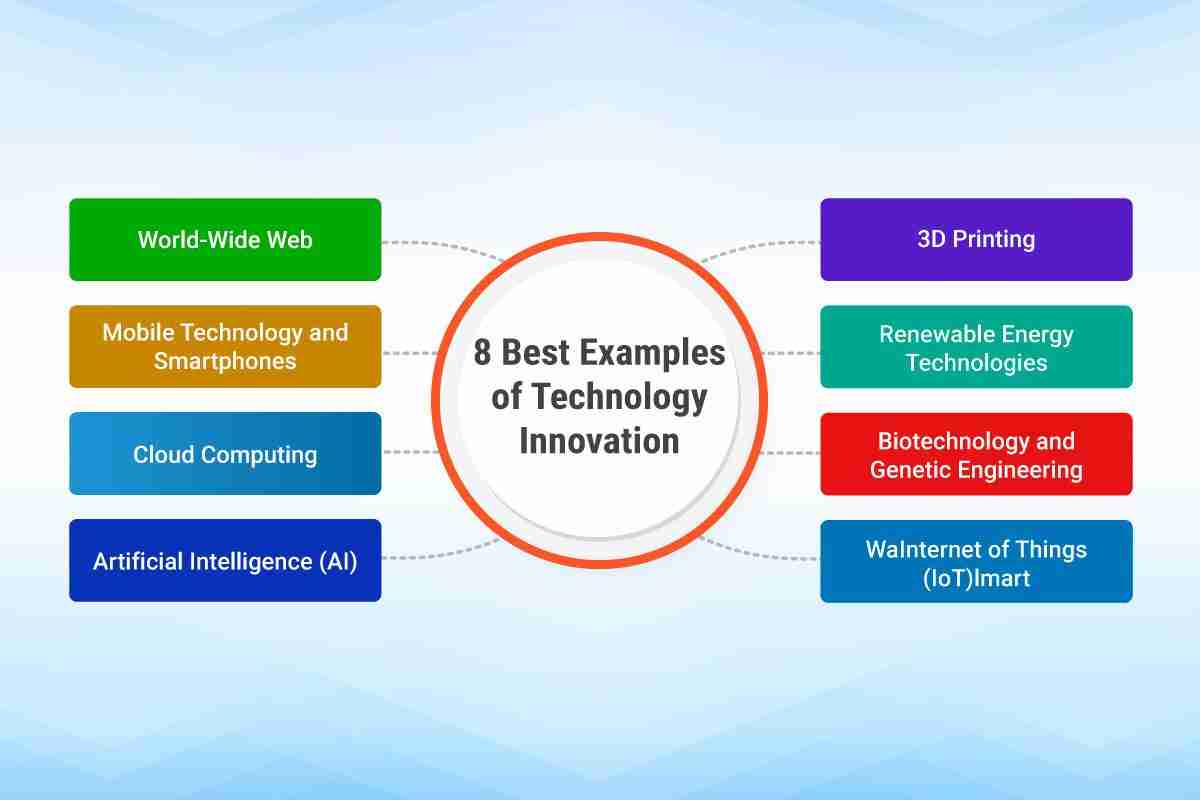
Innovative Technologies Shaping Automatic Rice Mill Operations
The landscape of rice milling is undergoing a transformative phase, driven by a plethora of innovative technologies designed to enhance productivity and streamline processes. Automated systems equipped with artificial intelligence and machine learning algorithms are revolutionizing operations by enabling real-time monitoring and predictive analytics. These systems not only optimize the milling process but also ensure that the quality of the end product meets the highest standards. Automation in sorting and packing processes ensures minimal human intervention, drastically reducing the potential for errors and improving overall efficiency.
Another key innovation is Internet of Things (IoT) integration, allowing rice mills to connect machinery and devices for better communication and data exchange. This connectivity facilitates remote monitoring, enabling operators to analyze performance metrics and troubleshoot issues from anywhere in the world. The adoption of advanced robotics has also become prominent, with robotic arms handling tasks such as loading and unloading, thereby minimizing labor costs and further enhancing throughput.
| Technology | Benefits |
|---|---|
| Artificial Intelligence | Predictive maintenance & quality control |
| IoT Integration | Remote monitoring & real-time data |
| Robotics | Reduced labor costs & enhanced speed |
Creating a future-ready automatic rice mill plant centers around minimizing waste and enhancing energy efficiency. Technology such as energy-efficient machinery and renewable energy solutions are reshaping operational frameworks, enabling mills to operate sustainably without compromising productivity. Together, these advancements are not just unlocking new levels of efficiency but also paving the way for a more sustainable and profitable rice milling industry, benefiting farmers, consumers, and the environment alike.
Enhancing Productivity Through Smart Automation Solutions
In the realm of rice milling, smart automation transforms traditional practices into a streamlined arena where efficiency reigns supreme. By integrating cutting-edge technologies such as IoT (Internet of Things) and AI (Artificial Intelligence), automatic rice mills are not just optimizing production, but also enhancing quality. This evolution facilitates the meticulous control of essential processes, such as grain sorting, husking, and polishing. With these advancements, mill operators can achieve not only higher yields but also more consistent product quality, ultimately leading to increased customer satisfaction.
Moreover, the implementation of automation solutions reduces labor costs and minimizes human error, allowing businesses to allocate resources more strategically. Key features of smart rice milling include:
- Real-time data analysis: Monitoring performance metrics for immediate adjustments.
- Predictive maintenance: Preventing downtimes through maintenance alerts before failures occur.
- Energy efficiency: Utilizing smart sensors to optimize energy consumption during operations.
Adopting these innovative tools not only strengthens operational capacity but also positions rice mill plants favorably in a competitive market. Incorporating a robust automation framework, companies can look forward to a future where efficiency is maximized, waste is minimized, and profitability is enhanced.

Sustainability Practices for Modern Rice Milling Facilities
Modern rice milling facilities have a unique opportunity to integrate sustainability into their operations, leveraging technology to minimize their environmental footprint. By adopting energy-efficient machinery, these plants can significantly reduce power consumption while maintaining high production rates. Solar panels and wind turbines can further bolster energy independence, allowing plants to produce their own electricity and cut down reliance on fossil fuels. Additionally, implementing water recycling systems ensures that this precious resource is utilized efficiently, significantly lowering the impact on local water supplies.
Furthermore, sustainable sourcing of raw materials plays a crucial role in modernizing rice milling operations. Emphasizing partnerships with local farmers who adhere to organic farming practices promotes environmental stewardship and assures consumers of the quality of their rice. Facilities can also establish a robust waste management system that transforms byproducts into value-added materials, such as using rice husks for bioenergy or creating biodegradable products. This circular economy approach not only enhances profitability but also aligns with global sustainability goals.
Future Trends: Integrating IoT and AI for Optimal Performance
As the agricultural sector embraces digital transformation, the convergence of Internet of Things (IoT) and Artificial Intelligence (AI) is set to redefine the operational landscape of automatic rice mill plants. By embedding sensors throughout the production line, mills can collect vast amounts of real-time data, enabling better inventory management, predictive maintenance, and enhanced quality control. For instance, these IoT devices can monitor humidity levels, temperature fluctuations, and equipment performance, feeding this information to AI algorithms that analyze and predict optimal operational conditions. This integration allows for a proactive approach to maintenance, reducing downtime and ensuring that production processes run smoothly.
Moreover, the synergy between IoT and AI fosters a more dynamic decision-making framework within rice milling processes. AI-driven analytics can identify trends and inefficiencies in production workflows. Mill operators can benefit from automated alerts regarding equipment health or supply shortages, providing them the ability to respond swiftly to challenges. The following features illustrate this transformative potential:
- Data-Driven Insights: AI systems can discern actionable insights from the continuous data streams provided by IoT devices.
- Resource Optimization: By analyzing resource usage patterns, mills can optimize water and energy consumption.
- Enhanced Supply Chain Management: IoT connectivity allows for real-time tracking of raw materials and distribution logistics.
| Technology | Benefits |
|---|---|
| IoT | Real-time data collection and monitoring |
| AI | Predictive analytics for maintenance and quality |
| Data Integration | Holistic view of operations and decision-making processes |
Concluding Remarks
As we stand on the brink of a revolution in agricultural processing, the future of automatic rice mill plants holds immense promise for farmers and consumers alike. Through the integration of advanced technologies and innovative practices, these systems are set to redefine the landscape of rice milling, enhancing productivity while minimizing environmental impacts. By embracing automation, we not only unlock greater efficiency but also pave the way for a more sustainable food supply chain.
In a world where efficiency and sustainability are paramount, the evolution of rice milling technology could very well be a game changer. As stakeholders in this sector—from farmers to manufacturers—continue to adapt and invest in these advancements, the potential for improved livelihoods and significant contributions to global food security becomes increasingly tangible.
as we look to the horizon, let us embrace the journey towards unlocking efficiency in rice milling not just as a technological evolution, but as a vital step in shaping a resilient and sustainable agricultural future. The combination of innovation and tradition has the power to nourish generations, making the future of automatic rice mill plants a story worth watching.




