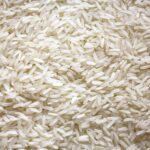
Understanding the Essentials of a Modern rice mill plant
In a world where food security and sustainability are increasingly at the forefront of our global challenges, rice remains a staple food for half of the planet’s population. Behind the scenes of this vital grain’s journey from paddy to plate lies a complex world of engineering and innovation. The modern rice mill plant serves as a critical hub in this process, transforming raw rice into the polished grains that are a staple in kitchens worldwide. This article delves into the essentials of these sophisticated facilities, exploring the technology, processes, and best practices that define contemporary rice milling. Whether you are an industry professional, an aspiring entrepreneur, or simply a curious consumer, understanding the intricacies of a rice mill plant offers valuable insights into the agricultural backbone that supports billions. Join us as we unpack the components that make a modern rice mill plant efficient, effective, and integral to a sustainable food supply chain.
Exploring the Key Components of a Modern Rice Mill Plant
A modern rice mill plant is a complex yet meticulously organized structure that integrates various components to ensure the efficient processing of rice. At its core, the plant comprises critical machinery that performs distinct but interconnected tasks. Key equipment typically includes:
- Huskers – Responsible for removing the outer husk and exposing the rice grain.
- Paddy Separators – Classify paddy rice from polished rice, promoting quality control.
- De-stoners – Eliminate stones and other impurities to enhance product purity.
- Rice Whitener – Polishes the rice grains, enhancing their appearance and market value.
- Packing Machines – Efficiently package the final product for distribution.
Moreover, the design of these plants emphasizes automation and quality assurance. Technological advancements play a pivotal role in these modern facilities, with integrated systems that monitor and control each stage of rice processing. Information technology facilitates tracking production metrics, optimizing logistics, and ensuring traceability. Important factors like energy efficiency and waste management are also at the forefront of modern design, enabling rice mill operators to minimize environmental impact and reduce operational costs. Here’s a simplified overview of key functionalities:
| Component | Function |
|---|---|
| Huskers | Remove outer husks from paddy rice |
| Paddy Separators | Separate paddy from polished rice |
| De-stoners | Eliminate stones and impurities |
| Rice Whitener | Polish rice grains to enhance quality |
| Packing Machines | Package rice for distribution |

Evaluating Technology Trends for Efficient Rice Processing
As the rice milling industry evolves, leveraging technology trends has become pivotal for enhancing productivity and quality in processing. Automation is at the forefront of this transformation, enabling plants to operate with minimal human intervention while maximizing efficiency. This includes integrating advanced machinery such as:
- Auto-feeders for uniform grain supply
- Smart sorting systems utilizing AI for quality control
- Real-time monitoring systems to track production metrics
The implementation of sustainable practices is also gaining traction, with innovations focusing on energy efficiency and waste reduction. For instance, the adoption of biomass energy systems can significantly lower operational costs while contributing to a more eco-friendly production cycle. Additionally, modern rice mills are increasingly utilizing:
- Water recycling systems for reduced resource consumption
- Low-emission technology to minimize environmental impact
- Data analytics tools for optimizing operational workflows
| Technology Trend | Benefits |
|---|---|
| Automation | Enhanced productivity and consistency |
| Sustainable Practices | Cost savings and reduced ecological footprint |
| Data Analytics | Improved decision-making and operational efficiency |
Best Practices for Sustainable Operations in Rice Milling
Implementing sustainable practices in rice milling not only enhances efficiency but also contributes to environmental preservation. One essential approach is to maximize energy efficiency by investing in modern equipment and technology that minimizes energy consumption during the milling process. Utilizing solar panels or biogas systems can significantly reduce reliance on fossil fuels. Moreover, waste management plays a vital role; repurposing husk and bran as biofuel or animal feed can limit landfill waste and create additional revenue streams.
Water usage is another critical factor to consider for sustainable operations. Employing closed-loop systems can significantly reduce water wastage while ensuring high-quality output. Furthermore, incorporating sustainable sourcing practices, such as collaborating with local farmers who use organic methods, can enhance product quality and promote biodiversity. Keeping track of these initiatives through a comprehensive sustainability report could help in assessing progress and setting future goals. An example of key performance indicators (KPIs) for monitoring could include:
| Indicator | Target | Current Status |
|---|---|---|
| Energy Consumption (kWh/ton) | <= 300 | 280 |
| Water Usage (liters/ton) | <= 500 | 450 |
| Waste Recycling Rate (%) | >= 75 | 80 |
| Local Sourcing (%) | >= 50 | 60 |
Understanding Quality Control Measures for Superior Rice Products
Quality control measures play a pivotal role in ensuring that rice products meet the highest standards of excellence. Implementation of these measures begins at the raw material sourcing stage, where the selection of superior paddy varieties can significantly impact the end product. Once the rice enters the milling process, it undergoes various tests that assess factors such as moisture content, broken grain percentage, and overall cleanliness. Key quality control techniques employed in modern rice mill plants include:
- Regular sampling and testing of rice batches
- Utilization of advanced milling technology for uniform processing
- Visual inspection for physical defects or contamination
- Moisture level checks using calibrated equipment
- Packaging quality assessments to prevent spoilage
A robust quality control system not only optimizes the milling process but also enhances consumer trust by delivering a consistent product. Implementing a systematic approach allows mill operators to identify issues early, reducing waste and ensuring compliance with industry regulations. To illustrate this, consider the following comparison of quality control benchmarks:
| Benchmark | Standard Requirement | Daily Target |
|---|---|---|
| Moisture Content | 12-14% | 13% |
| Broken Grain | Less than 5% | 3% |
| Contaminants | None Allowed | Zero |
Adherence to these benchmarks is crucial for maintaining product integrity and consumer satisfaction. As the rice milling industry continues to evolve with technology, integrating comprehensive quality control measures not only ensures premium products but also drives operational efficiency within the plant.
The Way Forward
navigating the intricacies of a modern rice mill plant reveals a compelling blend of tradition and technology. As we have explored, the essential components—ranging from advanced milling machinery to efficient processing systems—play a pivotal role in transforming raw paddy into the versatile staple that nourishes millions worldwide. By understanding these elements, stakeholders can not only enhance productivity but also embrace sustainable practices that honor both the environment and the farmers who cultivate this vital crop. As we move forward into an era marked by innovation and global demand, the insights gleaned from a thorough comprehension of rice mill operations will pave the way for smarter practices and a more resilient industry. The future of rice milling is not just about efficiency; it’s about cultivating a deeper connection to the grain that sustains us.