
In an era where efficiency and innovation intertwine, the agricultural sector stands on the brink of a technological renaissance, particularly in the realm of grain processing. Among these advancements, fully automatic rice mills have emerged as a beacon of progress, transforming the way we harvest, process, and enjoy one of the world’s staple foods. Gone are the days of labor-intensive methods; today, cutting-edge machinery, equipped with sophisticated algorithms and precision engineering, is revolutionizing rice milling operations. This article delves into the rise of fully automatic rice mills, exploring their design, benefits, and the profound impact they have on rice production, food security, and the livelihoods of farmers worldwide. Join us as we unpack the journey from paddy to plate, revealing how this technological evolution is setting the stage for a new era in grain processing.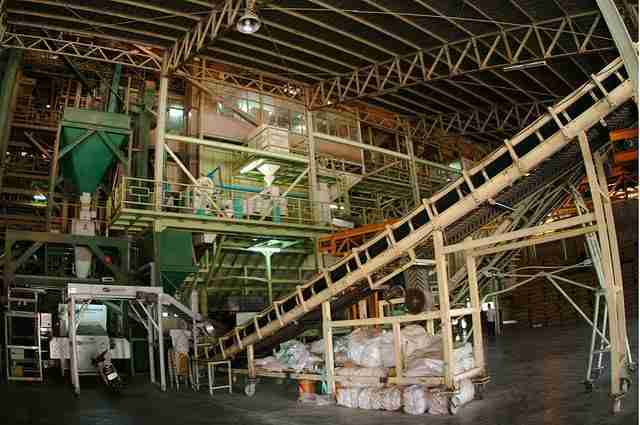
The Evolution of Rice Milling Technology and Its Impact on Grain Processing
The journey of rice milling technology has seen remarkable transformations over the decades, culminating in the emergence of fully automatic rice mills. In the early days, traditional methods relied heavily on manual labor and simple machinery, such as stone grinders and hand-cranked huskers. These practices, while effective to some extent, often resulted in inconsistent processing and lower yields. Working in challenging conditions, small-scale farmers struggled to sustain profitability. As technological advancements introduced mechanization, these limitations gradually diminished, leading to improved efficiency and quality in rice processing.
With the onset of fully automatic rice milling plants, the landscape of grain processing has been revolutionized. These sophisticated systems offer a myriad of benefits that have transformed the industry, including:
- Enhanced Precision: Automatic systems rely on sensors and computer algorithms to monitor grain quality, ensuring optimal milling conditions.
- Reduced Labor Costs: The need for a large workforce is minimized, freeing up labor for other agricultural tasks.
- Higher Yield Rates: Automation improves the extraction of rice grains, resulting in better profitability for producers.
- Consistency and Quality: Modern mills produce uniform grains with fewer broken rice pieces, appealing to consumers and markets.
To further illustrate the impact of these innovations, consider the following table displaying the differences between traditional and automatic rice milling:
| Aspect | Traditional Milling | Automatic Milling |
|---|---|---|
| Processing Speed | Low | High |
| Labor Requirement | High | Low |
| Grain Quality | Variable | Consistent |
| Energy Use | More | Less |
As the industry continues to evolve, the implications of these advancements extend beyond processing efficiency; they signify a shift towards sustainable agricultural practices. By optimizing the use of resources and minimizing waste, fully automatic rice mills play a crucial role in meeting the growing global demand for high-quality grain products.

Efficiency Redefined: The Benefits of Fully Automatic Rice Mills for Producers
The advent of fully automatic rice mills has revolutionized grain processing, providing producers with enhanced operational efficiency and significant cost savings. By automating various stages of rice milling, such as cleaning, husking, and polishing, these innovative systems ensure that processing time is minimized while output is maximized. Producers can enjoy:
- Increased Productivity: Fully automatic systems operate with minimal human intervention, allowing for higher volumes of rice to be processed in a shorter timeframe.
- Consistent Quality: Automation ensures that the milling process is uniform, resulting in consistent quality of the final rice product.
- Labor Savings: Reducing the need for manual labor decreases labor costs and the risk of workplace accidents.
Moreover, fully automatic rice mills come equipped with advanced monitoring and control systems that optimize energy usage and enhance machine longevity. This technological edge translates to additional benefits for producers, such as:
- Reduced Waste: Precise milling mechanisms minimize grain loss, ensuring that producers maximize their returns on investment.
- Easier Maintenance: Many machines feature self-diagnostic tools, simplifying maintenance and reducing downtime.
- Eco-Friendly Solutions: Efficient energy usage aligns with contemporary sustainability goals, appealing to environmentally conscious consumers.
| Feature | Benefit |
|---|---|
| Automation | Less labor required, higher output |
| Quality Control | Uniform rice quality, increased market value |
| Energy Efficiency | Lower operational costs, sustainable practices |
Sustainability and Innovation: How Automation is Shaping the Future of Rice Milling
As the world grapples with the twin challenges of food security and environmental sustainability, the rice milling industry stands at a transformative crossroads. Automation has emerged as a beacon of innovation, streamlining operations and minimizing waste. With the integration of fully automatic rice mills, producers can benefit from greater precision in the milling process, which not only enhances the quality of the rice but also significantly reduces the environmental footprint of production. Key enhancements include:
- Energy Efficiency: Modern automated systems are designed to consume less energy than traditional methods, utilizing advanced technologies like energy recovery systems.
- Waste Reduction: Automation minimizes by-products and optimizes grain usage, ensuring that the majority of the rice is processed efficiently.
- Real-time Monitoring: Smart sensors and IoT integration allow producers to monitor the milling process continuously, leading to timely adjustments and better quality control.
Furthermore, the shift towards automation is not merely a technological upgrade; it is a holistic approach that encompasses sustainable practices. As fully automatic rice mills become more prevalent, they inspire a deeper commitment to innovation within the agricultural sector. The potential for data-driven decision-making enables mill operators to analyze crop yields, predict market demands, and adapt more swiftly to changing conditions. This advanced approach can be summarized in the table below:
| Aspect | Traditional Milling | Automated Milling |
|---|---|---|
| Energy Consumption | High | Low |
| Waste Generation | Significant | Minimal |
| Operational Efficiency | Variable | Consistent |
This evolution in rice milling not only promises to bolster productivity but also aligns with the global imperative for sustainable agricultural practices, ensuring that both people and the planet can thrive together.
Navigating the Transition: Best Practices for Adopting Fully Automatic Rice Milling Systems
Transitioning to fully automatic rice milling systems presents unique challenges and opportunities for mill operators. To ensure a seamless shift, it is essential to conduct thorough research on available technologies and assess their compatibility with existing infrastructure. Engaging with experts and suppliers early in the process can provide crucial insights, while training staff on new machinery and processes is equally important to minimize disruptions. Furthermore, creating a detailed implementation timeline can keep progress on track and highlight key milestones.
Another vital aspect of implementing these systems is focusing on sustainability and efficiency. Operators should consider investing in equipment that not only boosts productivity but also reduces waste and energy consumption. Regular maintenance schedules help sustain performance levels and avoid costly downtimes. Below is a simple comparison of traditional versus fully automatic milling in terms of efficiency and waste management:
| Criteria | Traditional Milling | Fully Automatic Milling |
|---|---|---|
| Efficiency | Moderate | High |
| Waste Generation | High | Low |
| Labor Requirement | High | Minimal |
Key Takeaways
As we stand on the brink of a new era in agricultural technology, the rise of fully automatic rice mills marks a transformative chapter in the story of grain processing. These innovative machines not only enhance efficiency but also ensure quality, sustainability, and economic viability for farmers and consumers alike. The journey from paddy to plate is becoming increasingly streamlined, paving the way for a more resilient food supply chain.
While the intricacies of grain transformation continue to evolve, the embrace of automation signals a commitment to meeting the growing demands of a global market. As we transition into this automated future, it is crucial to remain mindful of the balance between tradition and technology, fostering a partnership that honors the heritage of rice cultivation while embracing the convenience and advancements of the modern age.
In embracing these automated solutions, we are not just witnessing a shift in machinery; we are partaking in a larger narrative of progress that holds the potential to improve livelihoods, uplift communities, and nourish a burgeoning population. Let us journey forward, processing grains with newfound efficiency and foresight, as we cultivate a future that is as rich and diverse as the fields from which our sustenance springs.




