
In the heart of agricultural innovation lies a transformative force that shapes not only the food we consume but also the very fabric of rural economies: the modern rice mill plant. This sophisticated facility does more than process grains; it embodies the intersection of tradition and technology, merging age-old farming practices with cutting-edge machinery. As we delve into the essence of a modern rice mill, we uncover the intricate workings that convert golden paddy into pristine white rice, a staple that nourishes millions around the globe. From the careful selection of grains to the meticulous milling processes, this article explores how these plants are redefining efficiency, sustainability, and quality in grain processing, all while honoring the cultural significance of rice in our diets. Join us as we embark on a journey through the world of modern rice milling, where each grain tells a story of transformation and possibility.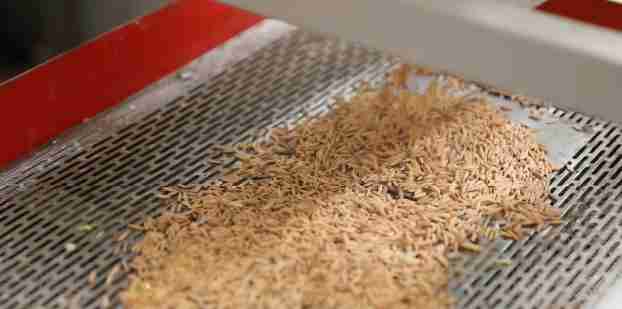
The Evolution of Rice Milling Technology and Its Impact on Quality
The journey of rice milling technology has been nothing short of revolutionary, impacting both the grain and the global food landscape. From rudimentary hand-pounding methods to advanced, automated systems, each innovation has played a crucial role in determining the quality, efficiency, and nutritional retention of rice. The introduction of mechanical milling machines marked a significant leap forward, allowing for consistent milling processes that ensured less breakage and higher purity of the final product. This evolution not only improved the marketability of rice but also contributed to a greater appreciation of the grain’s versatility and economic value.
Modern rice milling plants now integrate various technologies to enhance the overall quality of rice, implementing a combination of optical sorting, temperature control, and multi-stage milling systems. These advancements ensure that the rice retains its essential nutrients while elevating visual appeal and extending shelf life. To illustrate the impact of these technological enhancements, consider the following table showcasing key aspects of traditional versus modern milling processes:
| Feature | Traditional Milling | Modern Milling |
|---|---|---|
| Efficiency | Low | High |
| Grain Breakage | Higher | Lower |
| Nutritional Retention | Variable | Consistent |
| Labor Requirement | High | Automated |
This shift not only highlights the advancements in technology but also underscores its direct correlation to consumer satisfaction and health benefits. As the milling processes continue to evolve, the focus remains on quality, sustainability, and the ability to meet the ever-changing demands of a global market. Each step forward in milling technology represents a commitment to better grains, showcasing how innovation can resonate throughout an industry, ensuring both quality and a brighter future for food security.
Optimizing Efficiency: Key Features of State-of-the-Art Rice Mill Plants
Modern rice mill plants have revolutionized the way grains are processed, prioritizing both productivity and sustainability. One of the standout features includes advanced milling machinery designed to maximize yield while minimizing waste. These machines incorporate state-of-the-art technologies such as:
- High-precision milling systems that accurately remove husks and bran without damaging the rice grains.
- Automated sorting and grading equipment that ensures consistent quality and enhances marketability.
- Energy-efficient operations that leverage renewable energy sources, reducing the carbon footprint of rice production.
Additionally, the integration of smart technology in modern rice mills facilitates real-time monitoring and data analytics. This capability allows operators to optimize performance by adjusting parameters based on immediate feedback. Key innovations include:
| Feature | Benefit |
|---|---|
| SMS Notifications | Instant alerts for maintenance issues |
| IoT Integration | Remote management and control |
| Data Analytics | Informed decision-making for process improvements |
These innovations not only enhance the efficiency of operations but also ensure the production of high-quality rice, meeting the growing demands of consumers worldwide.
Sustainability in Rice Production: Implementing Eco-Friendly Practices
In the quest for sustainable rice production, modern mills are leveraging innovative practices that minimize environmental impact while maximizing yield. This involves the integration of advanced technologies and traditional methods to create a harmonious farming ecosystem. Key techniques include:
- Water Conservation: Employing systems such as drip irrigation and rainwater harvesting to optimize water usage.
- Soil Health Enhancement: Utilizing cover crops and crop rotation to maintain soil fertility without relying heavily on chemical fertilizers.
- Crop Diversity: Encouraging polyculture to enhance biodiversity, reducing pest pressures and increasing resilience.
Moreover, sustainable rice production heavily emphasizes efficient waste management and energy usage within the milling process. Efficient technologies, such as biomass energy systems, not only power operations but also convert byproducts into useful resources. A variety of environmentally friendly practices can significantly reduce a mill’s carbon footprint, as illustrated in the table below:
| Practice | Impact |
|---|---|
| Use of Eco-Friendly Packaging | Reduces plastic waste and promotes recycling. |
| Solar Energy Integration | Decreases reliance on fossil fuels, lowering overall emissions. |
| Efficient Grain Processing | Saves energy and reduces waste through recycling byproducts. |
Navigating the Market: Strategies for Modern Rice Mill Plant Success
The success of a modern rice mill plant hinges on a combination of cutting-edge technology and strategic market engagement. By integrating advanced milling equipment and employing automated processes, mills can enhance efficiency and maintain high-quality standards. Additionally, investing in Research and Development (R&D) allows for constant innovation, enabling plants to adapt to changing consumer preferences and sustainability standards. Key strategies for thriving in this competitive landscape include:
- Market Analysis: Conduct thorough research to identify trends and consumer demand, and adjust production accordingly.
- Quality Assurance: Implement strict quality control measures to ensure consistent product excellence.
- Diversification: Explore new product lines such as organic rice or specialty grains to cater to niche markets.
Moreover, establishing strong partnerships with local farmers is essential to securing a steady supply of quality paddy rice, thus bolstering production stability. Mills should also consider expanding their reach through strategic marketing initiatives, employing digital platforms to connect with customers and promote their products effectively. A focused approach to logistics can streamline operations, reducing transportation costs and ensuring timely delivery. Below is a table highlighting some essential metrics that can drive a rice mill plant’s success:
| Metric | Importance |
|---|---|
| Production Efficiency | Measures the effectiveness of machinery and processes in converting raw materials to final products. |
| Quality Yield Rate | Indicates the percentage of high-quality rice produced versus the total output. |
| Customer Satisfaction Index | Evaluates how well products meet market needs and customer expectations. |
| Sustainability Metrics | Assesses the environmental impact and resource usage of the mill’s operations. |
To Wrap It Up
As we draw the curtain on our exploration of modern rice mill plants, it becomes evident that these facilities are not merely structures of steel and technology; they are, in fact, the heart and soul of grain transformation. From the golden fields where rice begins its journey to the meticulous processes that turn it into a staple adored worldwide, each stage of the milling process reflects an intricate dance between tradition and innovation.
In an era where sustainability, efficiency, and quality are paramount, modern rice mills stand as exemplars of how age-old practices can harmoniously coexist with cutting-edge advancements. They ensure that the essence of every grain is preserved while adapting to the ever-changing demands of global markets and consumer preferences.
As we move forward, the lessons learned from these transformative facilities remind us of the importance of nurturing not just the crops we harvest, but also the sustainable practices and technological innovations that shape their destiny. In doing so, we can appreciate the vital role that modern rice mill plants play in nourishing our bodies and communities, bridging cultures and cuisines, one grain at a time. Whether you’re a mill operator, a consumer, or simply a curious mind, the journey of grains through these modern marvels is a testament to human ingenuity and the enduring importance of our agricultural heritage.




