
In the heart of many culinary traditions around the world lies a humble staple: rice. This versatile grain, revered for its ability to absorb flavors and complement dishes, plays a pivotal role in feeding millions. Yet, behind the fragrant bowls of steamed rice and the delicate sushi rolls lies a complex process that often goes unnoticed — the meticulous journey of grains from field to table. In this article, we embark on a deep dive into the world of rice milling units, where raw, harvested grains undergo a transformation into the polished and palatable staple that we know and love. We will explore the intricate machinery, the varying milling techniques, and the innovations that ensure quality and efficiency in rice processing. Join us as we unravel the layers of an industry that not only sustains a significant portion of the global population but also contributes to the economy and cultural heritage of rice-producing nations.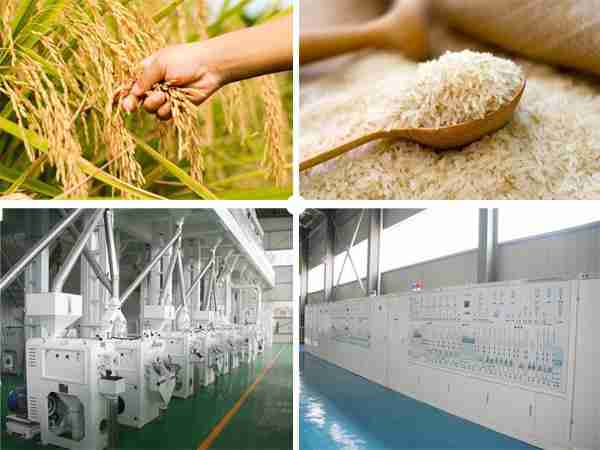
Understanding the Rice Milling Process and Its Significance
The rice milling process is a meticulous journey that transforms harvested paddy into the white grains we commonly consume. This process begins with cleaning, where impurities like stones and dust are removed from the harvested rice. Once cleaned, the paddy undergoes hulling, in which the hard outer shell is separated from the rice grain, resulting in brown rice. Subsequently, the brown rice is polished through milling to enhance its appearance and remove any remaining layers, producing the shiny white rice that is a staple in many households around the world. Each stage of this process is crucial as it not only affects the grain’s aesthetic but also impacts its nutritional value.
Understanding the significance of these steps is essential for appreciating the full lifecycle of rice. Efficient milling systems ensure that the rice retains its nutritional content while minimizing waste. Rice milling units also play a vital role in the economy, providing jobs and promoting food security, particularly in rice-producing regions. By investing in modern milling technologies, operators can enhance productivity, reduce energy consumption, and achieve higher quality outputs. Here’s a brief overview of key characteristics of rice milling technology:
| Feature | Description |
|---|---|
| Efficiency | Higher output with less energy consumption |
| Quality Control | Accurate quality grading systems to ensure top-grade rice |
| Eco-Friendly Options | Technologies designed to reduce waste and emissions |

Key Technologies and Innovations in Rice Milling Units
The landscape of rice milling has evolved significantly in recent years, thanks in large part to groundbreaking technologies that enhance both efficiency and product quality. Automation has become a crucial component, streamlining workflows and minimizing the need for manual labor. Modern milling units now utilize integrated machinery that combines various processes, such as husking, whitening, and polishing, into a single continuous operation. This not only reduces energy consumption but also ensures a higher yield of white rice. Furthermore, the incorporation of smart sensors allows for real-time monitoring of moisture levels and grain quality, enabling operators to make on-the-fly adjustments that optimize the milling process.
In addition to automation, innovative post-harvest technologies have emerged, focusing on enhancing the nutritional value and storage capabilities of rice. Techniques such as parboiling, where rice is partially boiled in the husk before milling, have gained attention for improving the grain’s nutritional content, particularly in terms of vitamins and minerals. Another noteworthy advancement is the use of sustainable energy sources, such as biomass and solar power, which are becoming increasingly prevalent in rice milling operations. By adopting eco-friendly practices, mills not only reduce their carbon footprint but also appeal to health-conscious consumers who prioritize sustainability. The integration of these technologies reflects a growing trend toward efficiency, nutritional value, and environmental responsibility in the rice milling industry.

Sustainability Practices in Rice Milling: Enhancing Efficiency and Reducing Waste
As rice milling units evolve, innovative sustainability practices are becoming central to maximizing operational efficiency while minimizing environmental impact. By adopting energy-efficient technologies, such as modern milling machines that consume less power and produce higher yields, rice mills can significantly lower their energy consumption. Moreover, integrating renewable energy sources, like solar panels, can help offset traditional power use, reducing the carbon footprint of the milling process. Implementing waste-to-resource systems, where byproducts such as husk and bran are repurposed for animal feed or bioenergy, not only diminishes waste but also provides additional income streams for mill operators.
Moreover, a commitment to sustainable water management practices proves essential in rice milling operations. Techniques such as recirculating water systems allow for the reduced use of fresh water, promoting conservation in areas often challenged by water scarcity. Participation in certification programs focusing on sustainable agriculture can also enhance a mill’s reputation, allowing consumers to make informed choices about the products they purchase. By analyzing and improving their supply chain logistics, mills can reduce transportation emissions, further enhancing their sustainability impact. The table below highlights key strategies for sustainability in rice milling:
| Strategy | Benefits |
|---|---|
| Energy-efficient technologies | Reduced energy consumption and costs |
| Waste-to-resource systems | Minimized waste and new revenue opportunities |
| Water conservation techniques | Improved water use efficiency |
| Supply chain optimization | Lower transportation emissions |
| Sustainable certification | Enhanced marketability and consumer trust |
Economic Impacts of Modern Rice Milling on Local Communities
The evolution of rice milling technology has introduced significant economic transformations within local communities, reshaping their agricultural landscape and social fabric. Modern rice milling units have enhanced productivity, enabling farmers to process their grains more efficiently. As a result, the following benefits emerge:
- Increased Income: Farmers now retain a larger share of their profits due to reduced milling costs.
- Job Creation: New milling facilities often require skilled and unskilled labor, providing employment opportunities for locals.
- Value Addition: Modern milling techniques produce higher quality rice, allowing farmers to command better prices in local and international markets.
Furthermore, the localized nature of rice milling operations can lead to a ripple effect throughout the community’s economy. Local businesses and services, from transportation to retail, benefit from the increased economic activity spurred by the milling units. A closer look at these impacts can be visualized in the table below:
| Economic Impact | Description |
|---|---|
| Rural Development | Improvements in infrastructure and local amenities fueled by increased revenues. |
| Empowered Women | Women are increasingly involved in rice processing roles, promoting gender equality. |
| Sustainable Practices | Modern units promote eco-friendly milling techniques, preserving community resources. |
Wrapping Up
As we conclude our exploration of rice milling units, it becomes clear that this intricate process is not merely about transforming grains into a staple food, but about weaving threads of culture, technology, and sustainability into the fabric of our daily lives. From the raw, unassuming paddy to the polished grains that grace our tables, every step in the milling journey plays a vital role in enhancing quality, maximizing yield, and minimizing waste.
The advancements in milling technology not only reflect our growing understanding of agronomy, but also highlight the importance of preserving the rich heritage associated with rice as a dietary staple across the globe. As we stand at the crossroads of innovation and tradition, the future of rice milling looks promising—bolstered by sustainable practices and a commitment to nourishing communities.
In a world that continues to evolve, the story of rice milling represents a balance of respect for time-honored methods and an embrace of innovative solutions. Our journey through the world of rice milling units invites us to consider how these small but powerful processes impact our lives, feeding a growing population with grains that have been carefully transformed for generations. As we celebrate this transformation, let us remain mindful of the role we play in supporting systems that ultimately sustain our societies and honor our planet.




