
Transforming Grains: A Deep Dive into rice mill plant Operations
In the heart of agricultural innovation lies a vital process that transforms humble grains into the staple food that sustains millions—rice. Rice mill plants serve as the unsung heroes of this operation, where machinery meets tradition in a delicate dance of engineering and nature. This article invites you to explore the intricate workings of these facilities, shedding light on the meticulous steps involved in rice milling, from the initial reception of paddy to the final packaging of perfectly polished grains. As we peel back the layers of this essential industry, we’ll uncover the technologies that enhance efficiency, the challenges faced by mill operators, and the evolving practices that ensure sustainability in an ever-changing global landscape. Join us as we take a closer look at how rice mill plants not only process grains but also nurture the connection between food production and food security.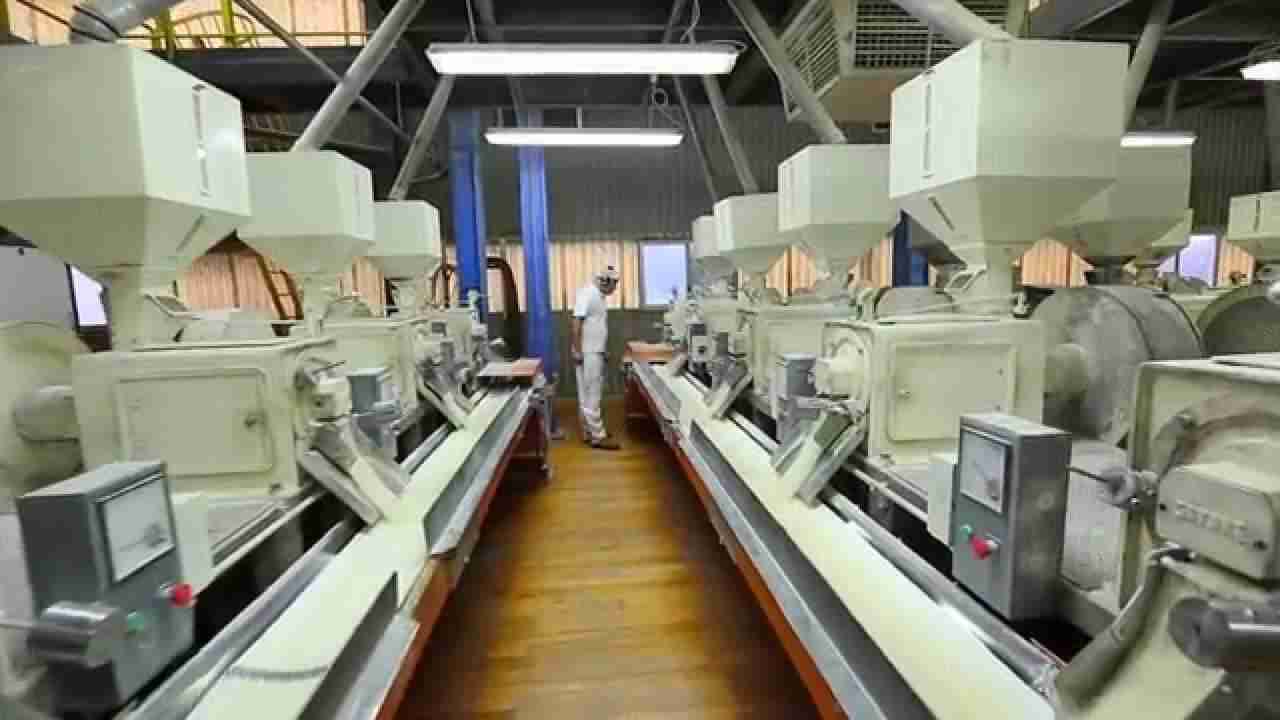
Understanding the Rice Milling Process: From Field to Finished Product
Rice milling is a systematic process that begins right after harvest, transforming raw paddy into the polished grains found on dining tables. The journey of this essential staple involves various stages, each crucial to enhancing the quality and nutritional profile of the rice. The process typically includes harvesting, drying, milling, and packaging. Each of these stages contributes to the overall efficiency and efficacy of rice production:
- Harvesting: The appropriate timing of harvesting ensures maximum yield and quality.
- Drying: Reducing moisture prevents spoilage, while maintaining quality flavor and texture.
- Milling: This is where the husk is removed, and the rice is polished to achieve a desirable finish.
- Packaging: Proper packaging preserves freshness and extends shelf life.
In the milling stage, two main types of processing occur: dehusking and whitening. Dehusking separates the outer husk from the rice grain, typically through a combination of mechanical force and air pressure. Subsequently, whitening removes the bran layer, resulting in the delicate white rice that is most sought after. Factors like moisture content, machine calibration, and operational efficiency are key in ensuring that rice is milled to perfection. Here’s a brief overview of the roles these machines play in the modern rice mill:
| Machine Type | Function |
|---|---|
| Dehusker | Removes husk from paddy. |
| Whiteners | Polishes rice by removing bran layer. |
| Grading Machines | Sorts rice based on size and quality. |
| Packagers | Packages final product for distribution. |
Key Components of a rice mill plant: Machinery and Technology Essentials
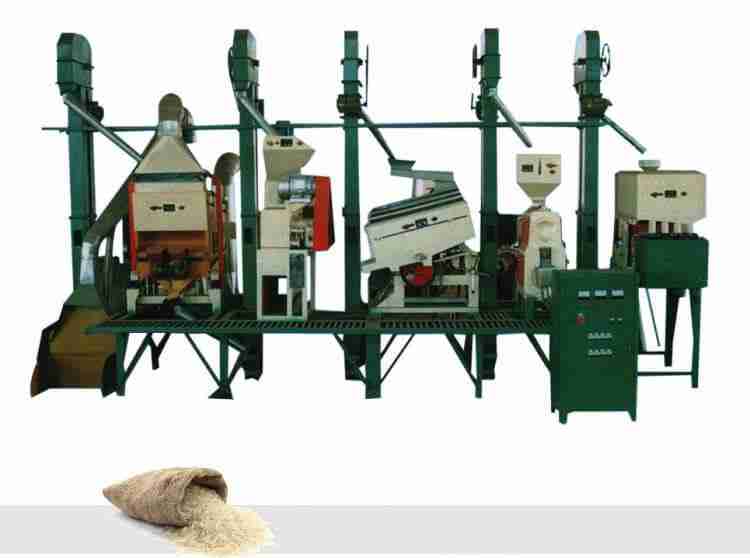
The backbone of any rice mill plant lies in its machinery and technology, meticulously designed to optimize the milling process from paddy to polished grains. Central to this operation is the paddy husker, which efficiently removes the outer husk of the grain without damaging the kernel. Following this, the rice mill employs a series of machines, such as the mill rice whitener, which refines the grains, enhancing both appearance and taste. Other essential components include:
- De-stoner: Eliminates impurities like stones and dust.
- Grader: Sorts grains by size to ensure uniformity.
- Separator: Differentiates broken rice from whole rice.
To ensure efficiency and minimal energy consumption, modern rice mills incorporate advanced automation technologies. These systems monitor and control various operations, enhancing product quality and reducing waste. Additionally, many plants now utilize dust collection systems to maintain a clean working environment and ensure compliance with health standards. The integration of such technology into the operational workflow not only improves productivity but also contributes to sustainability by minimizing the ecological footprint.
| Component | Function |
|---|---|
| Paddy Husker | Removes husk from paddy |
| Whitening Machine | Refines rice for better quality |
| Grader | Sorts rice by size |
| Dust Collector | Maintains air quality in the plant |

Optimizing Efficiency in Rice Processing: Best Practices and Innovations
Achieving maximum efficiency in rice processing requires a blend of traditional practices and modern innovations. One of the foundational best practices is regular maintenance of machinery to ensure optimal performance. Scheduled inspections and timely replacements of wear components can prevent unexpected downtimes that disrupt the flow of production. Furthermore, implementing advanced monitoring systems can significantly enhance operational oversight, allowing mill operators to track performance metrics in real-time. By analyzing this data, mills can make informed adjustments to their processes, improving both speed and quality.
Additionally, embracing innovative technologies such as automated sorting systems can transform the handling and processing of rice. These systems utilize sensors and machine learning algorithms to detect and separate quality grains more efficiently than manual sorting methods. The adoption of energy-efficient machinery also plays a crucial role in sustainability, reducing operational costs while minimizing the environmental footprint. Combined, these strategies contribute to a more streamlined production line, ensuring that rice mills not only maximize output but also enhance the quality of their finished product.
Sustainability in Rice Milling: Eco-friendly Approaches and Future Trends
In the quest for eco-friendly rice milling operations, manufacturers are exploring innovative methods to reduce their environmental footprint while maintaining productivity. One of the key strategies involves the implementation of energy-efficient machinery that not only conserves power but also minimizes carbon emissions. Renewable energy sources such as solar power and bioenergy are increasingly being adopted to run milling equipment, ensuring that the energy consumed is sustainable and aligned with global energy trends. Additionally, waste management practices are evolving; byproducts including husks and bran are repurposed into valuable products like animal feed and organic fertilizers, promoting a circular economy within the rice milling industry.
Moreover, advancements in technology play a pivotal role in enhancing sustainability. Digital monitoring systems are enabling millers to track energy consumption and optimize their processes in real-time, leading to significant reductions in waste and resource use. There are also ongoing developments in eco-friendly packaging solutions, aimed at minimizing plastic waste generated during distribution. What’s more, educational initiatives surrounding sustainable practices are being promoted among mill operators, aiming to foster a culture of environmental stewardship within the industry. By collectively embracing these green innovations, rice milling is evolving towards a more sustainable future that benefits both producers and the planet.
Insights and Conclusions
As we conclude our exploration into the intricate world of rice mill plant operations, it becomes clear that the journey from paddy to plate is a remarkable interplay of tradition, technology, and meticulous craftsmanship. Each step, from harvesting to milling, embodies a commitment to quality and efficiency that not only sustains local economies but also feeds cultures around the globe.
The transformation of grains is not merely a mechanical process; it is a symphony of innovation and dedication, where every grain tells a story of resilience and renewal. By understanding the nuances of rice mill operations, we gain a deeper appreciation for the vital role these plants play in our food system.
As the demand for rice continues to grow, so too will the technologies and practices that shape its processing. Moving forward, the challenge lies in balancing efficiency with sustainability, ensuring that the rich heritage of rice cultivation is honored in a modern, global context.
In this ever-evolving landscape, one thing remains constant: the profound impact of rice mill operations on communities, economies, and the culinary experiences that nourish us. We invite you to reflect on this journey the next time you enjoy a simple bowl of rice, recognizing the countless hands and hearts involved in its transformation. Thank you for joining us in this deep dive into the art and science of rice milling.




