
In a world where efficiency and quality reign supreme, the journey from grain to the perfect bowl of rice has undergone a remarkable transformation. Enter the automatic rice mill plant, a marvel of modern engineering that seamlessly blends tradition with technology. This innovative facility not only streamlines the milling process but also enhances the overall quality of rice, ensuring that each grain retains its essential nutrients and flavor. As the demand for premium rice continues to grow, understanding the intricacies of these automated systems becomes crucial for producers and consumers alike. In this article, we delve into the workings of automatic rice mill plants, exploring how they elevate a time-honored staple into a product of culinary perfection. Join us as we uncover the pivotal role these facilities play in shaping the future of rice production and consumption.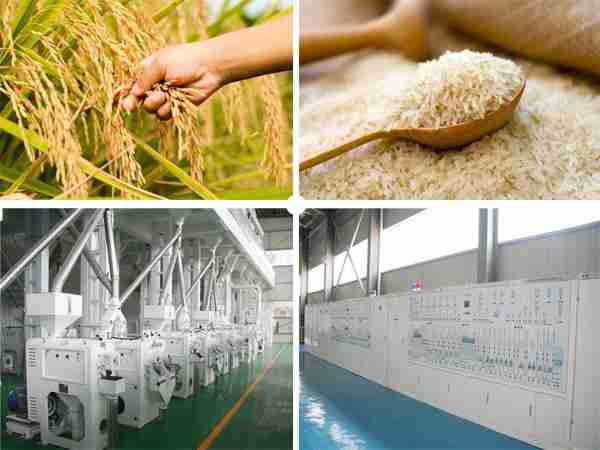
The Evolution of Rice Milling Technology and Its Impact on Quality
Over the years, rice milling technology has undergone significant advancements, transitioning from rudimentary hand-operated methods to sophisticated automatic systems that enhance efficiency and quality. Early milling processes involved labor-intensive techniques such as pounding and winnowing, which often resulted in higher levels of broken rice and impurities. With the advent of modern technology, the introduction of machines like the huller and polisher has revolutionized this age-old practice. These machines work in harmony to ensure minimal grain breakage while achieving optimum whiteness and texture, thus elevating the quality of rice available in the market.
The impact of these technological advancements extends beyond mere efficiency. By integrating sensors and automated control systems, modern rice mills can monitor and manage various milling parameters meticulously. This level of precision ensures the rice retains its nutritional value and quality post-processing. The benefits are remarkable, including:
- Reduced grain breakage: Ensures a higher yield of whole grains.
- Consistent quality: Facilitates standardized output that meets market demands.
- Eco-friendly practices: Decreases energy consumption through optimized operations.
To further illustrate the transformation in rice milling technology, consider the following comparison of traditional versus automatic rice mills:
| Feature | Traditional Mills | Automatic Mills |
|---|---|---|
| Processing Speed | Slow | Fast |
| Manual Labor | High | Low |
| Quality of Rice | Variable | Consistent |
| Waste Generation | High | Minimal |
This table captures the essence of how automatic systems not only improve the workflow but also transform the very nature of rice milling, creating superior products that cater to the refined tastes of consumers today.

Understanding the Core Components of an Automatic rice mill plant
At the heart of every automatic rice mill plant lies an intricate network of components that work seamlessly together to transform raw grains into premium-quality rice. The process begins with the receiving and storage systems, where paddy rice is collected from farmers and stored in silos. This is crucial for maintaining the quality of the grains before they undergo processing. The next step features the pre-cleaning unit, which removes impurities such as stones, dirt, and other foreign materials, ensuring that only the best grains proceed further in the milling process.
Once the rice is prepped, the core of the operation focuses on milling and polishing machinery. This includes components like the huskers, which remove the outer husk of the rice, and the rice whitener, responsible for polishing the grains to achieve the desired appearance. The entire milling process operates on an advanced automation system, allowing for enhanced efficiency and precise control over each stage. Additionally, packaging machines play a critical role in finalizing the product by ensuring that the finished rice is sealed and labeled properly, ready for distribution to consumers.
| Component | Function |
|---|---|
| Receiving System | Collects and stores paddy rice from farmers |
| Pre-Cleaning Unit | Removes impurities from paddy rice |
| Milling Machinery | Removes husk and polishes rice |
| Automation System | Controls and optimizes the milling process |
| Packaging Machines | Packages the finished rice for distribution |

Enhancing Efficiency and Reducing Waste in Grain Processing
In the dynamic world of grain processing, optimizing operational efficiency while minimizing waste is a crucial objective. The automatic rice mill plant integrates advanced technology to facilitate streamlined production processes, enhancing yield and reducing resource expenditure. Key components that contribute to these improvements include:
- Automated Sorting Systems: These ensure only high-quality grains are processed, significantly decreasing the volume of waste and enhancing overall product quality.
- Energy-efficient Machinery: Designed to consume less power while delivering high output, these machines not only lower operating costs but also contribute to an eco-friendly processing approach.
- Real-time Monitoring: With integrated sensors and data analytics, mill operators can monitor production efficiency continuously, allowing for quick adjustments that further reduce waste.
Implementing a sustainable approach in grain processing not only aligns with modern agricultural practices but also drives profitability. The following table highlights the potential gains that come from upgrading to an automatic rice mill versus traditional methods:
| Feature | Traditional Methods | Automatic Rice Mill |
|---|---|---|
| Energy Consumption | High | Low |
| Waste Production | High | Minimal |
| Processing Speed | Slow | Very Fast |
| Quality Control | Manual | Automated |
By leveraging innovative technologies, grain processors can expect to see significant reductions in waste and remarkable improvements in efficiency. This not only supports a more sustainable industry but also paves the way for a more profitable future, making the transition to automatic processing a wise investment for any grain business.
Future Trends in Rice Milling: Innovations and Sustainability Practices
As the demand for high-quality rice continues to escalate globally, the rice milling industry is experiencing a wave of transformation driven by innovation and sustainability. Automatic rice mills are at the forefront of this evolution, incorporating cutting-edge technology such as AI-driven sorting systems and IoT connectivity for real-time monitoring. These advancements not only enhance operational efficiency but also ensure optimal grain quality by minimizing waste and spoilage. Key innovations transforming the sector include:
- Precision milling machinery that maintains the nutritional value and texture of the rice.
- Energy-efficient equipment that reduces the overall carbon footprint of milling operations.
- Automated cleaning processes that ensure hygiene and compliance with food safety regulations.
Sustainability practices are equally pivotal in shaping the future of rice milling. As stakeholders prioritize eco-friendly methods, initiatives like water recycling and waste management systems are becoming standard. Innovative practices such as utilizing by-products for bioenergy production or animal feed have not only improved profitability but also contributed to a circular economy in rice production. An overview of these essential sustainability methods includes:
| Practice | Description |
|---|---|
| Water Recycling | Implementing systems that recycle water used in milling processes. |
| Energy Recovery | Using waste materials for sustainable energy production. |
| Organic Fertilizers | Utilizing milling by-products to create fertilizers. |
Final Thoughts
As we conclude our exploration of the automatic rice mill plant, it’s evident that this innovation represents a significant leap forward in the grain processing industry. By marrying cutting-edge technology with time-honored practices, these facilities not only enhance efficiency but also ensure the preservation of the rice’s intrinsic quality and flavor. The transformation of raw grain to polished perfection is no longer a labor-intensive task of the past; it is now a streamlined process that promises sustainability, precision, and reliability.
The automatic rice mill plant stands as a testament to what can be achieved when ingenuity meets necessity—a solution designed not only for today but for the future of food production. As we continue to seek advancements that address the global challenges of food security and resource management, the evolution of rice milling serves as both a guide and a reminder: progress is rooted in innovation, and the potential for improvement is boundless.
Thank you for journeying with us through the intricacies of this remarkable technology. We encourage you to keep an eye on the evolving landscape of grain processing, where transformation is not just a goal but a continually unfolding reality.




