
In a world where innovation reshapes the landscape of agriculture, the automatic rice mill stands out as a beacon of transformation. With the power to elevate humble grains into culinary excellence, this technological marvel has revolutionized the age-old practice of rice milling. As we delve into the journey of grains from the field to the plate, we will explore how automatic rice mills are not just machinery, but catalysts for efficiency, sustainability, and economic growth. Join us as we uncover the intricate mechanics behind this evolution and discover how the automatic rice mill is redefining the future of rice processing, empowering farmers, and enhancing food security across the globe.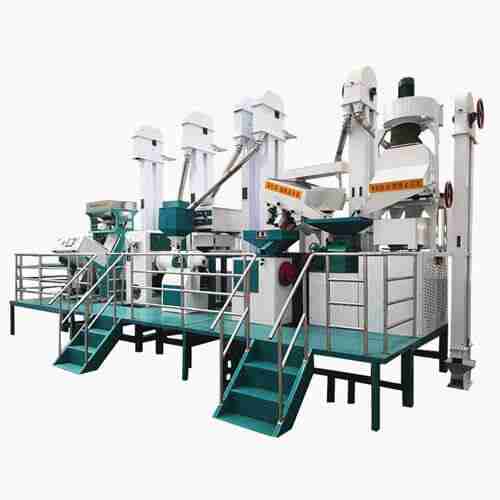
Exploring the Mechanics of Automatic Rice Mills
At the heart of the automatic rice mill lies a complex yet elegantly designed series of mechanisms that ensure the processing of rice is efficient, consistent, and high-quality. The key components include the paddy husker, which removes the tough outer husk of the paddy, followed by the mill stone that whitens the grain. This intricate balance of technology maintains the integrity of the rice while enhancing its aesthetic and culinary appeal. Unlike traditional manual mills, these modern systems offer automation features that significantly decrease labor costs and production time.
Additionally, these mills are equipped with advanced monitoring systems that optimize performance through real-time data analysis. They can be adjusted to accommodate different types of grains and moisture levels, making them incredibly versatile. Here are some of the features that set automatic rice mills apart:
- Energy Efficiency: Designed to consume minimal power while maximizing output.
- High Productivity: Capable of processing several tons of rice per hour.
- Quality Control: Integrated systems that monitor grain quality throughout processing.

Enhancing Efficiency and Sustainability in Rice Production
Rice production has always posed challenges in achieving both efficiency and sustainability, but recent advancements promise to change that landscape. Automated rice mills are not only adept at processing large quantities of grain but also incorporate innovative technologies that minimize waste and optimize resource use. These mills enhance productivity through high-speed processing and smart monitoring systems, which ensure consistent quality and reduce energy consumption. Farmers can now expect more from their equipment, including:
- Real-time data analytics to track performance and output.
- Water-saving technologies that significantly reduce the need for irrigation.
- Eco-friendly milling practices that lower carbon footprints.
Moreover, sustainability is further supported by integrating renewable energy sources, such as solar panels, into the milling process. These renewable systems are capable of powering the mill operations, thus promoting a circular economy in rice production. A practical approach is illustrated in the following table, highlighting the benefits of incorporating these sustainable practices:
| Feature | Traditional Mills | Automatic Rice Mills |
|---|---|---|
| Energy Source | Fossil Fuels | Renewable Options |
| Water Usage | High | Reduced |
| Carbon Emissions | Significant | Minimized |
Economic Benefits for Farmers: Investing in Technology
As farmers integrate advanced technology like automatic rice mills, they unlock a myriad of economic advantages that directly enhance their bottom line. The precision and efficiency of these machines lead to reduced labor costs, minimized wastage, and increased productivity. By embracing automation, farmers can process rice faster, ensuring fresher products reach the market while maintaining superior quality. This shift enables them to scale their operations, allowing for larger harvests to be processed in shorter timeframes, and ultimately generating more revenue.
Moreover, investing in technology like automatic rice mills opens doors to new market opportunities. Farmers can now produce specialty rice products, catering to consumer demands for organic, gluten-free, or fortified rice, thus expanding their client base. Additionally, enhanced processing capabilities mean farmers can capitalize on off-peak seasons, creating a consistent income stream throughout the year. The cumulative effect of these advancements is not just an increased yield but a sustainable business model that empowers farmers to thrive economically in an ever-competitive market.
| Economic Benefits | Description |
|---|---|
| Reduced Labor Costs | Automation minimizes the need for manual labor, saving costs. |
| Increased Productivity | Ability to process larger volumes in shorter timeframes. |
| Quality Enhancement | Maintains superior quality of rice, appealing to consumers. |
| Market Expansion | Facilitates the production of specialty rice products for niche markets. |
| Year-Round Income | Capitalizes on off-peak seasons with consistent processing demand. |
Future Trends in Rice Milling: Innovations on the Horizon
The future of rice milling is set to be nothing short of transformative, driven by advancements in automation, sustainability, and digitalization. As the demand for rice increases globally, rice milling technologies are evolving to meet these challenges head-on. Cutting-edge innovations such as smart sensors and Internet of Things (IoT) integration are paving the way for mills that not only optimize efficiency but also ensure consistent quality. These automated systems can monitor and adjust milling parameters in real time, responding to variations in grain type and condition, which significantly reduces waste and maximizes yield. Additionally, incorporating machine learning algorithms allows milling processes to continuously improve by analyzing past performance data and predicting future outcomes.
Moreover, the shift toward sustainability in the agricultural sector is influencing rice milling practices. Eco-friendly machines with improved energy efficiency and waste reduction capabilities are emerging as essential components of modern mills. The use of renewable energy sources, including solar and biogas, is increasingly being integrated into milling operations, contributing to a lower carbon footprint. Innovative waste management systems are enabling mills to repurpose byproducts such as husks and bran, further enhancing overall efficiency. Collectively, these advancements not only enhance operational productivity but also align with the global trend of sustainable food production. As rice milling continues to evolve, this convergence of technology and sustainability will shape the future landscape of the industry.
To Conclude
In a world where efficiency and innovation shape the future of agriculture, the automatic rice mill stands as a beacon of transformation. By seamlessly blending technology with tradition, this remarkable evolution not only enhances rice processing but also empowers farmers and communities to achieve greater heights. As we navigate the complexities of a growing population and ever-changing market demands, the automatic rice mill represents a pivotal shift towards sustainability and productivity.
As we close the chapter on this exploration of the automatic rice mill revolution, it becomes clear that the journey from grain to greatness is much more than a mere process—it’s a testament to human ingenuity and the relentless pursuit of excellence. Embracing this change invites us to reconsider the narratives of our food systems, challenging us to envision a future where every grain of rice carries the promise of progress. The transformation has begun, and with it, the potential for lasting impact on agriculture and our global community. Let us celebrate this revolution, as it not only reshapes our plates but also redefines our relationship with the very essence of sustenance.




