
Transforming Grain to Gourmet: The Fully Automatic Rice Mill
In a world where culinary experiences have become as crucial as the ingredients themselves, the journey from grain to gourmet takes center stage. At the heart of this transformation lies the fully automatic rice mill—a marvel of modern engineering that revolutionizes the way we process one of the world’s staple foods. Gone are the days of labor-intensive methods and unpredictable results; today’s rice mills harness cutting-edge technology to deliver precision, efficiency, and quality. This article delves into the intricate workings of these machines, exploring how they not only elevate rice production but also enhance the flavor and texture of the grains we cherish in our kitchens. Join us as we uncover the innovations that are making every bowl of rice a gourmet experience, one grain at a time.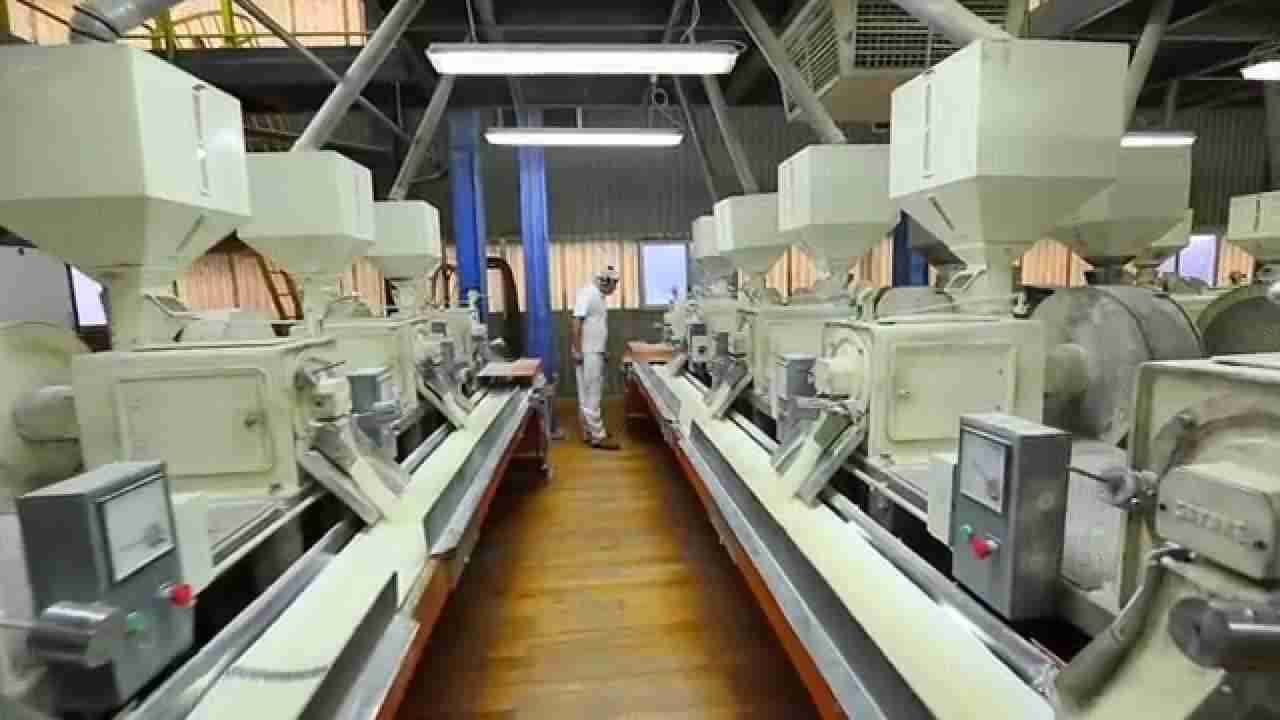
Revolutionizing Approach to Rice Milling Technology
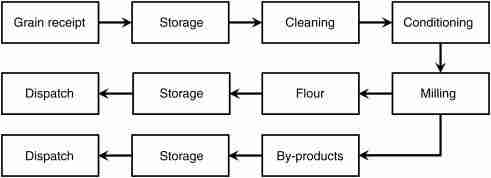
Modern rice milling is no longer a labor-intensive task but a sophisticated process that embodies innovation and precision. The rise of fully automatic rice mills has transformed traditional practices into an art of efficiency. These advanced machines integrate cutting-edge technology to ensure that every grain is treated with the utmost care, resulting in superior quality and flavor. Key features include:
- Automated Workflow: From husking to polishing, each stage is seamlessly automated.
- Customizable Settings: Operators can easily adjust settings for different rice varieties, optimizing yield and quality.
- Energy Efficiency: Modern mills consume less power, reducing operational costs and environmental impact.
The impact of these innovations extends beyond mere processing; they are setting new standards in food safety and quality control. Fully automatic rice mills are equipped with smart sensors and monitoring systems that maintain the integrity of the rice throughout the milling process. This level of precision ensures minimal grain breakage and maximizes the retention of essential nutrients. The evolution of rice milling technology not only supports large-scale production but also creates opportunities for artisanal production, allowing small farmers to enhance their products. Here’s a simplified comparison highlighting the advancements:
| Feature | Traditional Milling | Fully Automatic Milling |
|---|---|---|
| Labor Requirements | High | Low |
| Quality Control | Manual | Automated |
| Processing Speed | Slow | High |
Enhancing Quality and Efficiency in Grain Processing
The fully automatic rice mill integrates advanced technology to optimize the grain processing workflow, drastically enhancing both quality and efficiency. With its smart automation features, this cutting-edge machinery guarantees precise milling, resulting in rice that retains its natural taste and nutritional value. Key attributes of this system include:
- Consistent Output Quality: Every grain is processed uniformly, minimizing losses and maximizing return on investment.
- Reduced Labor Requirement: Automation cuts down on the need for manual intervention, allowing operators to focus on overseeing the process rather than performing repetitive tasks.
- Energy Efficiency: State-of-the-art engineering ensures lower energy consumption, making operations more sustainable and cost-effective.
Furthermore, this modern equipment introduces innovative functions like real-time monitoring and data analytics, which provide insights into processing performance. This not only aids in maintaining optimal conditions but also supports predictive maintenance, reducing downtime significantly. The advantages extend into the realm of cleanliness and safety, where streamlined operations result in less contamination and improved hygiene standards. A look at the operational capabilities of the fully automatic rice mill reveals:
| Feature | Benefit |
|---|---|
| Milling Speed | High throughput ensures timely delivery of processed grain. |
| Flexible Capacity | Adaptable settings cater to both small and large scale operations. |
| Automated Cleaning Systems | Ensures minimal downtime and maintains quality standards. |
Exploring the Benefits of Fully Automatic Systems
In the realm of modern agriculture, fully automatic systems have revolutionized how we process and transform grains, enhancing efficiency and consistency. One of the standout aspects of a fully automatic rice mill is its ability to streamline operations, reducing the need for manual labor while increasing output. With advanced features, such as real-time monitoring and self-adjusting mechanisms, these systems ensure optimal performance, minimizing waste and maximizing quality. By automating crucial processes such as husking, polishing, and sorting, rice mills can provide uniform grain preparation, appealing to both manufacturers and consumers alike.
Moreover, fully automatic systems integrate significant technological advancements that contribute to better resource management. Some of the key benefits include:
- Energy Efficiency: Minimizes power consumption with optimized machinery.
- Consistent Quality: Maintains uniformity in grain size and texture, vital for gourmet quality.
- Reduced Operational Costs: Lowers labor costs while increasing production speed, making business operations more profitable.
To illustrate these advantages, consider the following comparison table showcasing traditional vs. fully automatic systems:
| Feature | Traditional Rice Mill | Fully Automatic Rice Mill |
|---|---|---|
| Labor Requirement | High | Low |
| Quality Control | Variable | Consistent |
| Production Speed | Slow | Fast |
As we delve deeper into the mechanics of these systems, it becomes clear that embracing fully automatic rice mills not only augments productivity but also aligns with sustainability goals by reducing the overall environmental footprint associated with rice milling. This proactive approach to technological integration fosters a more resilient agricultural sector, preparing it for the future while enhancing the quality of food products that reach consumers’ tables.
Future Trends in Rice Mill Innovations and Sustainability
As the world increasingly shifts towards sustainability, innovations in rice milling technology are spearheading this transformative agenda. Fully automatic rice mills are now being designed with energy efficiency at their core, leading to reduced carbon footprints and lower operational costs. Key features that are paving the way for these advancements include:
- Smart Sensors: Integrated sensors monitor moisture levels, temperature, and grain quality in real time, ensuring optimal processing conditions and minimizing waste.
- Solar-Powered Operations: Enhanced designs incorporate solar panels, harnessing renewable energy to power milling processes, contributing to environmental sustainability.
- AI and Machine Learning: Advanced algorithms analyze production data, predict maintenance needs, and optimize the milling schedule for increased productivity.
Furthermore, the trend towards circular economies in agriculture is driving innovations in by-product management. Modern rice mills are integrating systems that utilize rice husks and bran, transforming them into valuable resources rather than mere waste. These strategies include:
| By-Product | Utilization |
|---|---|
| Rice Bran | Used in health supplements and cosmetics due to its high nutrient content. |
| Rice Husks | Converted into biofuel or used in the production of eco-friendly building materials. |
This approach not only enhances profitability for millers but also contributes to a more sustainable agricultural ecosystem, demonstrating how the future of rice milling is intricately linked with innovation and environmental stewardship.
Insights and Conclusions
As we conclude our journey through the transformative realm of the fully automatic rice mill, it becomes clear that technology is not merely a tool; it is a catalyst for innovation in the culinary landscape. By efficiently converting grain into gourmet-quality rice with minimal human intervention, these advanced mills are redefining our approach to food production and consumption. They embody a harmonious blend of tradition and modernity, honoring the age-old practice of rice milling while embracing the efficiencies of automation.
In a world that increasingly values quality, sustainability, and convenience, the fully automatic rice mill stands as a testament to how ingenuity can elevate even the simplest of grains to the gourmet level. As consumers become more discerning and restaurateurs seek to enhance their offerings, the implications of this technological advancement are profound. With every grain transformed, we don’t just feed hunger; we cultivate a deeper appreciation for the culinary arts.
Embracing this evolution not only fosters a richer gastronomic experience but also encourages us to support sustainable practices in food production. As we venture forward, may we remain curious about the innovations that lie ahead, forever transforming our plates and palates with the promise of quality and convenience. The journey from grain to gourmet is just beginning, and the possibilities are as endless as our creativity in the kitchen.




