
In the heart of agricultural innovation lies the transformative journey of grain, where humble seeds evolve into staples that nourish communities and sustain economies. As we delve into the intricacies of the “Transforming Grain: The 2-Ton rice mill plant Project,” we uncover a pivotal initiative that embodies the synergy between technology and tradition. This project stands as a beacon of progress, aiming not only to enhance the efficiency of rice processing but also to elevate the livelihoods of farmers and local economies. Through the establishment of a 2-ton rice mill plant, we explore the multifaceted impact of modern milling techniques, the promise of improved grain quality, and the potential for agricultural empowerment. Join us as we embark on this insightful journey, illustrating how innovation is reshaping the landscape of grain processing and celebrating the vital role rice plays in our global tapestry.
Understanding the Core Components of a 2-Ton Rice Mill Plant
The foundation of a successful rice milling operation lies in understanding its key components. A 2-ton rice mill plant is designed to efficiently transform raw paddy into high-quality rice, utilizing a blend of mechanical processes and technology. The primary components include the paddy separator, husker, polisher, and grading machines. Each of these plays a vital role in ensuring that the rice is processed delicately yet effectively, preserving its nutritional value and taste. The layout of the plant is crucial, as it enhances workflow efficiency and minimizes handling time, allowing the machinery to work in harmony.
In addition to the main processing units, supporting infrastructure is integral to the plant’s operation. Key auxiliary components consist of the raw material storage area, an appropriate drying system, and a packaging section for finished products. Maintenance facilities and quality control labs ensure that both equipment and output maintain high standards. Below is a quick overview of the core components and their functions:
| Component | Function |
|---|---|
| Paddy Separator | Removes impurities and consolidates good paddy grains. |
| Husker | Removes the outer husk from the paddy grains. |
| Polisher | Enhances the appearance and quality of rice by polishing grains. |
| Grading Machine | Sorts rice by size to ensure uniformity and quality. |
Innovative Technologies Driving Efficiency and Productivity
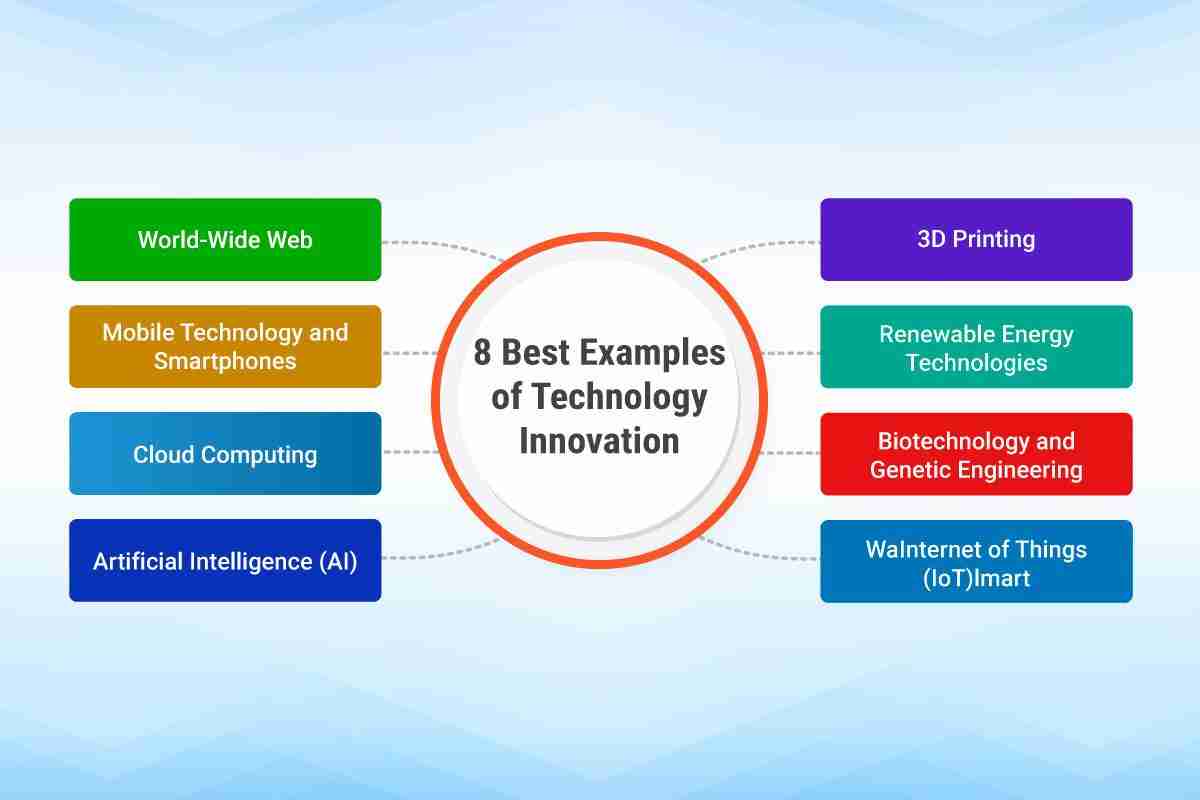
The implementation of state-of-the-art technologies in the 2-ton rice mill plant project significantly transforms the conventional models of grain processing. With a focus on automation, the plant integrates robotics and advanced control systems that minimize manual labor while enhancing precision. This innovative approach allows for the smooth operation of various processes, reducing the likelihood of human error and ensuring consistency in output. Key technological features include:
- IoT Integration: Real-time monitoring of equipment and environmental conditions to optimize processing parameters.
- Energy Efficiency: Utilization of energy-efficient machinery that lowers operational costs and reduces the carbon footprint.
- Data Analytics: Advanced data processing tools that analyze production trends and enhance decision-making capabilities.
Moreover, the introduction of a fully automated sorting and packing system has revolutionized the workflow, enabling greater throughput without sacrificing quality. The benefits of such technological advancements are evident through a reduction in processing time and an increase in product yield. The following table illustrates the comparison between traditional methods and the new automated processes:
| Process Stage | Traditional Method | Automated Method |
|---|---|---|
| Processing Time | 6 hours | 3 hours |
| Labor Required | 10 workers | 3 workers |
| Yield Rate | 70% | 85% |
This progressive shift not only streamlines operations but also promotes sustainable practices within the agricultural sector, showcasing how embracing innovation can lead to unparalleled improvements in efficiency and productivity.

Sustainable Practices for Long-Term Grain Processing Success
To ensure the long-term success of grain processing, adopting environmentally responsible methods is vital. One effective strategy is to implement resource-efficient technologies that minimize waste and reduce energy consumption. This can be achieved through the integration of renewable energy sources, such as solar or wind power, into the milling operation. Additionally, utilizing innovative milling techniques can enhance yield and quality while lowering the ecological footprint of the process. For instance, investing in state-of-the-art machinery can significantly reduce the amount of water used during processing, aligning with sustainability goals.
Engaging in community partnerships and sustainable sourcing also plays a crucial role in promoting long-term success. Collaborating with local farmers to provide them with training on sustainable farming practices not only strengthens community ties but also ensures a steady supply of quality grain. Furthermore, exploring circular economy principles can help in transforming waste products from the milling process into valuable resources, such as animal feed or organic fertilizers. By fostering a holistic approach that intertwines economic viability with social responsibility, the rice mill can thrive while contributing positively to the broader ecosystem.
Strategic Recommendations for Effective Implementation and Growth
To ensure the successful implementation of the 2-ton rice mill plant project, establishing a robust framework for operational efficiency and risk management is crucial. This involves streamlining processes through automation and advanced technology integration, which can significantly reduce labor costs and enhance production capabilities. Additionally, it’s essential to focus on workforce training to equip employees with the skills necessary to operate modern machinery and adopt best practices in rice milling. By creating a culture of continuous learning and adaptation, the plant can remain competitive in a dynamic market.
Moreover, cultivating strategic partnerships will play a pivotal role in driving growth. By collaborating with local farmers, the project can ensure a steady supply of high-quality paddy rice, supporting the community and securing operational sustainability. It is also beneficial to engage with local agro-industries for shared resources and logistical support. To further boost market presence, a targeted marketing initiative should be launched, highlighting the advantages of locally processed rice to consumers. This multi-faceted approach will not only enhance the project’s visibility but also establish the mill as a trusted brand in the region.
| Strategic Focus | Expected Outcome |
|---|---|
| Process Automation | Increased efficiency and reduced operational costs |
| Workforce Training | Skilled labor and improved operational effectiveness |
| Partnerships with Local Farmers | Consistent supply of quality paddy rice |
| Marketing Initiatives | Enhanced visibility and brand loyalty |
The Way Forward
As we draw the curtain on this exploration of the 2-Ton rice mill plant Project, it’s clear that the journey from paddy to perfection is as much about innovation as it is about tradition. This initiative not only stands as a testament to the evolving tapestry of grain processing but also highlights the commitment to efficiency and sustainability within agriculture. By harnessing modern technologies, this project seeks to elevate local economies, empower farmers, and ultimately transform the way we perceive rice cultivation and processing.
As the gears of this rice mill come to life, they symbolize a broader movement—a drive towards smarter agricultural practices that respect our natural resources while catering to the needs of an ever-growing population. The echoing sound of grains being milled is not just a call to resourcefulness; it is a promise of progress.
Looking ahead, the implications of the 2-Ton rice mill plant extend beyond mere output; it’s about fostering community resilience, creating job opportunities, and ensuring that the vital grain of life continues to nourish families and futures. As this project unfolds, it serves as a beacon of possibility, inviting us all to consider how we can contribute to a sustainable agricultural landscape. A new chapter has just begun, and with it, an opportunity for growth, innovation, and change in the world of grain.




