
In the vast world of agriculture and food production, few machines are as essential and versatile as the 4-ton rice mill plant. From transforming grains into the staple food of billions to producing valuable byproducts like bran and husks, this powerhouse of a machine is a must-have for any serious rice producer. In this ultimate guide, we will explore every aspect of the 4-ton rice mill plant, from its components and operations to maintenance tips and troubleshooting strategies. Whether you’re a seasoned rice miller looking to upgrade your equipment or a new player in the industry seeking guidance, this comprehensive resource will help you harness the full potential of this indispensable tool.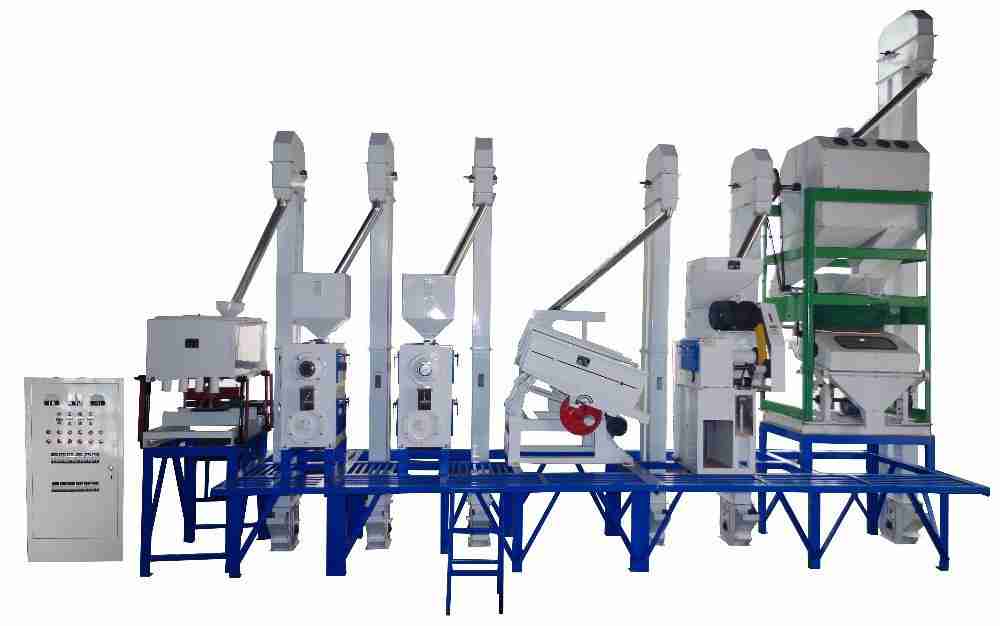
Introduction: Taking a Closer Look at the Components of a 4-Ton rice mill plant
In a 4-ton rice mill plant, there are several key components that work together harmoniously to ensure efficient rice milling processes. From the pre-cleaning stage to the final packaging of the polished rice, each component plays a crucial role in achieving high-quality output. Let’s take a closer look at the main components that make up a 4-ton rice mill plant:
- Pre-cleaner: Removes impurities such as stones, sticks, and other foreign particles from the raw paddy before the milling process begins.
- Paddy husker: Removes the outer husk layer from the paddy to expose the brown rice kernel inside.
- Paddy separator: Separates unhusked paddy from brown rice to ensure that only the rice kernels move on to the next stage.
- Rice whitener: Removes the bran layer from the brown rice kernel to produce polished white rice.
In addition to these main components, a 4-ton rice mill plant also includes other essential equipment such as the rice grader, rice polisher, and rice packaging machine. Each of these elements contributes to the overall efficiency and quality of the rice milling process. Understanding how each component works together is essential for maximizing the plant’s productivity and ensuring the production of high-quality rice for consumers around the world.
Optimizing Efficiency: Key Strategies for Maximizing Output and Minimizing Waste
When setting up a 4-ton rice mill plant, it is crucial to focus on optimizing efficiency to ensure maximum output and minimal waste. One key strategy is to invest in high-quality equipment such as a rice huller, rice polisher, and rice grader. These machines can help streamline the milling process and improve overall productivity.
Another important aspect to consider is proper maintenance of the plant. Regular servicing and cleaning of the machinery can prevent breakdowns and ensure smooth operation. Additionally, implementing efficient workflow procedures, such as proper storage of raw materials and organized processing steps, can further enhance the efficiency of the plant.

Maintenance and Upkeep: Essential Tips for Preserving the Longevity of Your rice mill plant
When it comes to maintaining and preserving the longevity of your 4-ton rice mill plant, there are several essential tips that you need to keep in mind. One of the most crucial aspects of upkeep is regular cleaning and inspection of the machinery to ensure that all parts are in good working condition. This includes checking for any signs of wear and tear, lubricating moving parts, and replacing any damaged components.
Another key tip for maintaining your rice mill plant is to schedule regular maintenance checks with qualified technicians to prevent any potential breakdowns or malfunctions. Additionally, it is important to follow the manufacturer’s guidelines for proper operation and maintenance of the equipment. By staying on top of these maintenance tasks, you can ensure that your rice mill plant operates efficiently and effectively for years to come.
Choosing the Right Suppliers: Guidance on Selecting Reliable Partners for Equipment and Materials
When it comes to setting up a 4-ton rice mill plant, choosing the right suppliers is crucial for ensuring the success and efficiency of your operations. By selecting reliable partners for equipment and materials, you can streamline your production process, improve the quality of your output, and minimize downtime.
Here are some key considerations to keep in mind when selecting suppliers for your rice mill plant:
- Quality: Ensure that the suppliers offer high-quality equipment and materials that are durable and long-lasting.
- Reliability: Choose suppliers with a proven track record of delivering on time and providing excellent customer service.
- Pricing: Compare prices from different suppliers to find the best value for your budget without compromising on quality.
To Wrap It Up
In conclusion, the journey to setting up a 4-ton rice mill plant may seem daunting, but with the right knowledge and resources, it can be a rewarding and fulfilling endeavor. From selecting the right machinery to optimizing production processes, every step plays a crucial role in ensuring the success of your venture. With this ultimate guide, we hope to provide you with the necessary tools and information to embark on this exciting venture with confidence. Remember, patience, perseverance, and passion are key ingredients to turning your rice milling dream into a thriving reality. Good luck on your rice mill plant journey!




