
In the rhythmic hum of machinery and the steady flow of grains, the rice mill plant is the beating heart of the rice production process. As the grains are transformed from paddies to polished white rice, every clatter and whirr within the plant plays its part in ensuring a staple food makes its way to our tables. Join us as we delve into the inner workings of this essential facility and uncover the intricate dance of technology and tradition that fuels the production of this humble yet vital grain.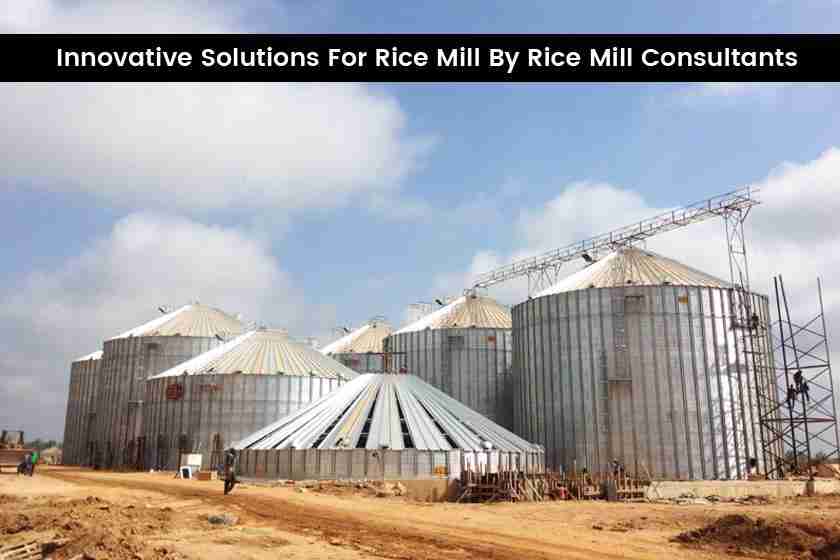
– The Essential Role of Rice Mills in Ensuring Food Security
Rice mills play a crucial role in the process of turning harvested rice into the final product that reaches our tables. Within the walls of a rice mill plant, the heartbeat of rice production can be felt as the grains are cleaned, hulled, polished, and packaged for distribution. These facilities are essential in ensuring food security by providing a reliable source of processed rice that meets the demands of consumers worldwide.
Inside a rice mill plant, various machines and equipment work together seamlessly to transform raw rice grains into the familiar white rice that we consume daily. From the initial stages of removing impurities to the final step of packaging, each process is carefully monitored to maintain the quality and nutritional value of the rice. Without the operations of rice mills, the intricate process of rice production would not be possible, highlighting their vital role in the global food supply chain. Rice mills are the backbone of rice production, ensuring a steady supply of this staple food to communities around the world.
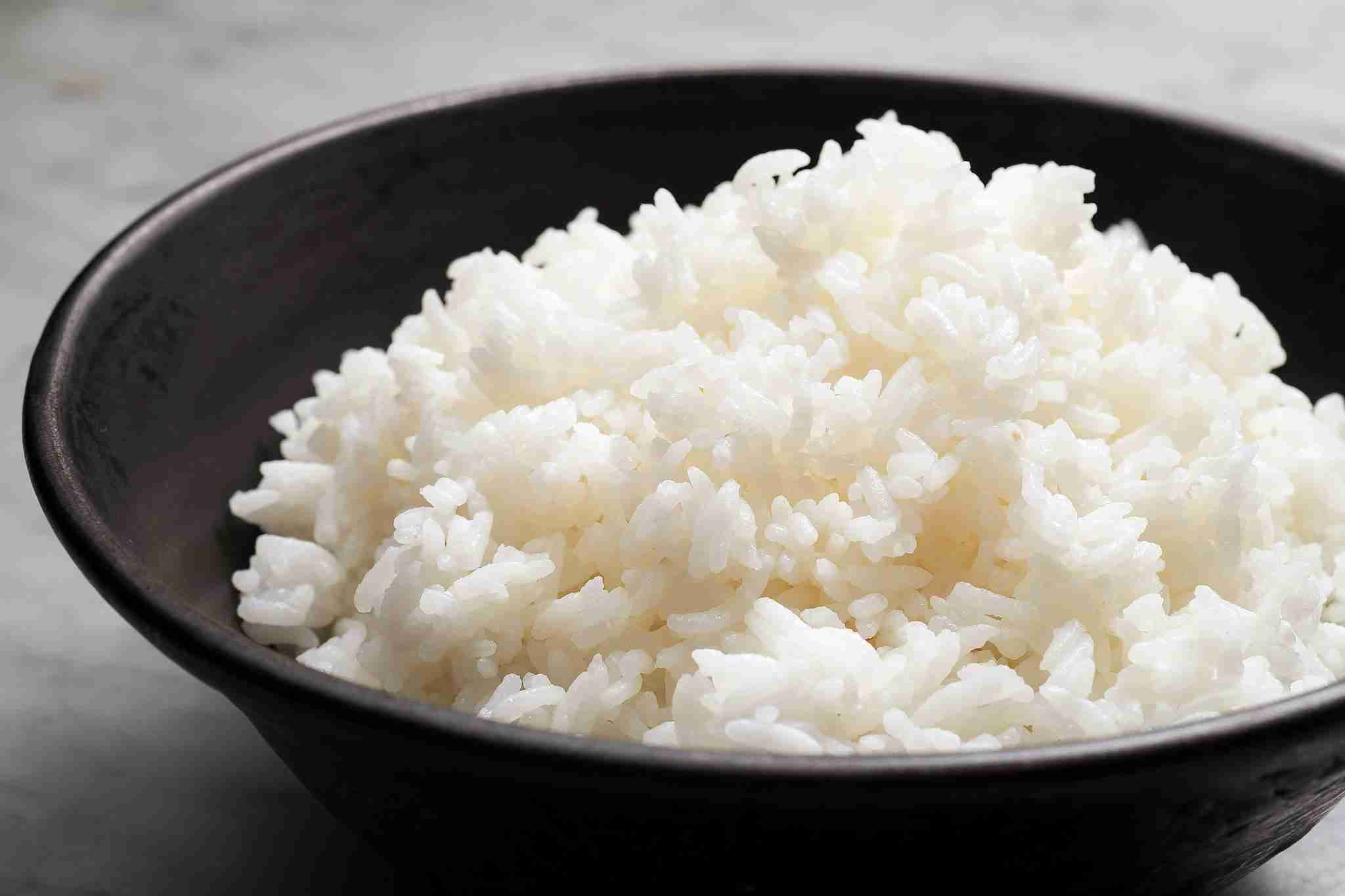
– The Intricate Process of Rice Milling: From Harvest to Market
Rice milling is a fascinating and intricate process that transforms raw rice grains into the polished white rice we see on store shelves. Inside a rice mill plant, every step is crucial in ensuring the quality and consistency of the final product. The machines hum with precision, as skilled workers meticulously oversee each stage of the process.
From cleaning and dehusking to polishing and packaging, **the journey of rice milling** is truly a marvel to behold. The grains pass through various machines and undergo specific treatments to remove impurities and enhance their appearance and taste. With modern technology and traditional techniques working hand in hand, the rice mill plant is like the heart of the rice production industry, pulsating with efficiency and precision.
| Stage | Description |
|---|---|
| Cleaning | Removal of impurities such as dust, stones, and chaff. |
| Dehusking | Separation of the outer husk from the rice grain. |
| Polishing | Buffing the rice grains to remove the bran layer and produce white rice. |

– Improving Efficiency and Quality Control in Rice Mill Plants
Rice mill plants are the cornerstone of the rice production process, where the grains are processed and prepared for distribution. One of the key factors in ensuring quality control and efficiency in these plants is the use of advanced machinery and technology. By incorporating state-of-the-art equipment such as rice hullers and polishers, mills can streamline their operations and produce high-quality rice products for consumers.
Another important aspect of improving efficiency and quality control in rice mill plants is implementing strict sanitation and hygiene protocols. By maintaining a clean working environment and regularly servicing equipment, mills can prevent contamination and ensure that the rice produced is safe to consume. Additionally, investing in staff training and education on proper handling procedures can further enhance the overall quality of the final product.
– Sustainable Practices in Rice Production: The Future of Rice Mills
Rice mills are the unsung heroes of the rice production process. These facilities are where the raw rice grains undergo a transformation into the polished white grains we are familiar with. Inside a rice mill plant, there are various components and processes that work together seamlessly to ensure the production of high-quality rice. From cleaning and dehusking to polishing and packaging, each step plays a crucial role in the final product that reaches our tables.
One of the key sustainable practices in rice production is the utilization of byproducts from the milling process. By repurposing rice husks, bran, and broken grains, rice mills can minimize waste and maximize efficiency. Additionally, implementing water-saving technologies and energy-efficient machinery are also essential in reducing the environmental impact of rice milling operations. These sustainable practices not only benefit the environment but also contribute to the long-term viability and success of rice mills in the ever-evolving agriculture industry.
In Retrospect
As we journeyed through the inner workings of the rice mill plant, we were captivated by the rhythm and melody of the machines working in harmony to bring rice from farm to table. The heartbeat of rice production is strong and steady, fueled by the dedication of those who toil tirelessly to ensure a bountiful harvest. It is a symphony of hard work, innovation, and tradition that continues to sustain communities around the world. The next time you enjoy a bowl of rice, take a moment to appreciate the intricate process that brings this staple food to your plate. The heart of rice production beats on, a testament to the resilience and ingenuity of the human spirit.




