
Rice, the staple food for billions across the globe, holds a sacred place in many cultures. But have you ever stopped to think about the intricate process behind turning raw rice grains into the polished, pearly gems we see on our plates? Welcome to the heart of grain – the rice mill plant. Join us as we unravel the inner workings of this fascinating industry and discover the stories behind the machines that bring us one of the world’s most beloved foods.
Overview of Rice Milling Process
The rice milling process is a crucial step in transforming raw rice grains into edible rice that we consume daily. This intricate process involves several stages that require precision and care to ensure the final product is of high quality. The rice mill plant serves as the heart of this process, where the grains undergo cleaning, husking, whitening, polishing, and grading before being packaged for distribution.
In the rice mill plant, the grains first undergo cleaning to remove any impurities such as dust, debris, or stones. Once cleaned, the husking stage follows, where the outer husk is removed to reveal the edible kernel inside. The whitening process then takes place to remove the bran layer, resulting in the white rice we are familiar with. Subsequently, the grains are polished to enhance their appearance before being graded based on size and quality. This meticulous process ensures that only the finest rice reaches consumers’ plates, making the rice mill plant an essential component in the journey from paddy to plate.
Efficient Machinery and Equipment
When it comes to producing high-quality rice, having is crucial. The heart of any rice production process is the rice mill plant, where the grains are processed from paddy to polished rice. These plants are equipped with a variety of machines and equipment that work together to ensure the end product meets the highest standards.
Some key components of a rice mill plant include:
- Paddy Separator: Removes debris and stones from the paddy before processing.
- Husker: Removes the husk from the paddy to reveal the brown rice.
- Whitener: Polishes the brown rice to produce white rice.
- Color Sorter: Ensures only high-quality rice grains are packaged for sale.
| Component | Function |
|---|---|
| Paddy Separator | Removes debris and stones from paddy |
| Husker | Removes husk from paddy |
| Whitener | Polishes brown rice |
Sustainability Practices in Rice Mill Plants
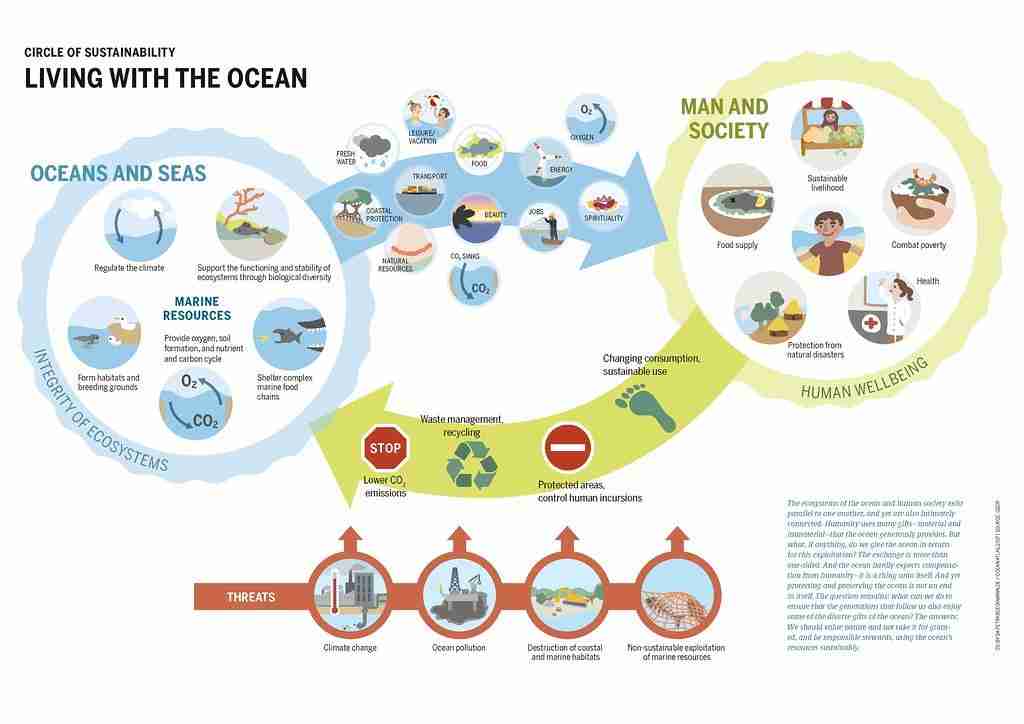
Rice mill plants play a crucial role in our food supply chain, processing one of the most staple grains consumed worldwide. With the growing focus on sustainability and environmental impact, it is important for rice mill plants to implement sustainable practices to ensure the longevity of our resources and the health of our planet.
Some key sustainability practices that rice mill plants can adopt include:
- Energy Efficiency: Implementing energy-efficient technologies to reduce electricity consumption and carbon emissions.
- Water Conservation: Installing water-saving equipment and utilizing water recycling systems to conserve this precious resource.
- Waste Management: Implementing strategies for proper waste disposal and recycling to minimize environmental impact.
Factors to Consider when Setting up a Rice Mill
When setting up a rice mill plant, there are several important factors to consider to ensure the success of the operation. One key factor to keep in mind is the location of the plant. It is essential to choose a location that is easily accessible to both suppliers and customers, as well as one that has a stable and sufficient supply of water and electricity. Additionally, the proximity to transportation facilities such as roads and ports is crucial for smooth operations.
Another important factor to consider when setting up a rice mill plant is the efficient utilization of machinery and equipment. Investing in high-quality machinery that is specifically designed for rice milling can greatly increase productivity and reduce operational costs. It is also crucial to consider the layout of the plant to ensure a smooth flow of operations. Proper planning of the layout can help minimize bottlenecks and optimize the use of space.
The Way Forward
As we have delved into the fascinating world of rice milling plants, we have uncovered the intricate processes that make it all possible. The heart of grain, the rice mill plant, plays a crucial role in providing the staple food that feeds millions around the world. From the initial cleaning and husking to the final polishing and packaging, every step is crucial in ensuring the quality of the rice we consume.
Next time you dig into a bowl of steaming rice, take a moment to appreciate the journey it has taken from the field to your plate, with the rice mill plant at the very center of it all. The artistry and precision of this machinery are truly awe-inspiring and a testament to human ingenuity.
So let us raise a toast to the humble rice mill plant, the unsung hero of our daily meals, working tirelessly behind the scenes to bring us the grains that sustain us. Cheers to the heart of grain!




