
In the heart of bustling industrial complexes lies a hidden world where the simple seed of rice is transformed into an essential staple for billions. Welcome to the rice mill plant, the epicenter of the Grain Revolution. Join us as we journey inside this captivating facility, exploring the intricate machinery and processes that have revolutionized the way we produce and consume one of the world’s most important grains.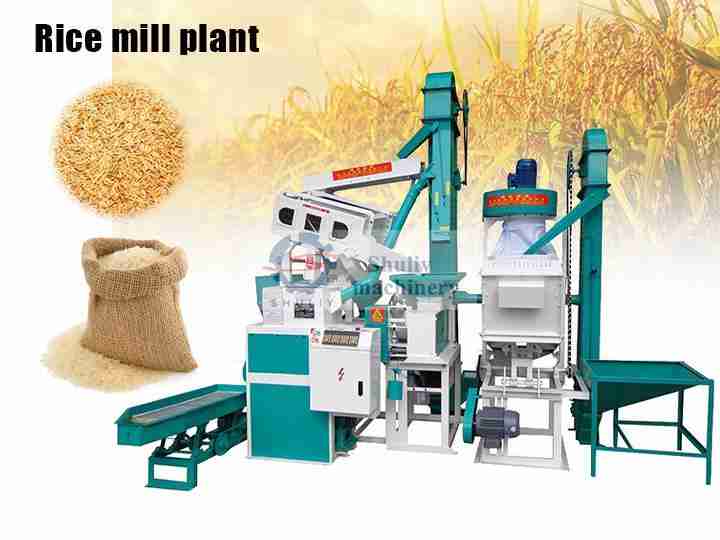
The Growing Importance of Rice Mill Plants in Modern Agriculture
Rice mill plants have become a cornerstone of modern agriculture, playing a crucial role in meeting the grain demands of the growing global population. These state-of-the-art facilities have revolutionized the way rice is processed, ensuring efficiency, quality, and consistency in every batch.
Inside a rice mill plant, a series of intricate processes take place to transform raw paddy into polished rice ready for distribution and consumption. From cleaning and dehusking to polishing and packaging, each step is meticulously executed to preserve the nutritional value and taste of the final product. With advanced technologies and automation, rice mill plants are able to maximize output while minimizing waste, making them an essential component of today’s agricultural landscape.

Innovative Technologies Transforming the Rice Milling Process
Imagine a world where the rice milling process is no longer a labor-intensive, time-consuming task. Thanks to innovative technologies, this vision is becoming a reality. Modern rice mill plants are now equipped with state-of-the-art machinery that streamlines the entire process, from husking to polishing.
One of the most groundbreaking technologies revolutionizing the rice milling industry is the use of AI-powered sorting machines. These machines can detect and remove impurities and defective grains with incredible precision, ensuring a higher quality end product. Additionally, automated packaging systems have simplified the packaging process, making it more efficient and reducing human error.

Efficient Practices to Optimize rice mill plant Operations
Rice mill plants are the unsung heroes of the agricultural world, where grains are transformed from raw, unpolished rice to the polished, market-ready product we see on our plates. To keep these operations running smoothly and efficiently, it is crucial to implement best practices that optimize the plant’s operations.
One key practice is **regular maintenance**, which involves keeping all machinery and equipment in top working condition. This includes cleaning, lubricating, and replacing any worn-out parts to prevent breakdowns and downtime. **Proper calibration** of machines is also essential to ensure accurate processing and reduce waste. Implementing **automation** where possible can further streamline operations, increasing productivity and reducing the margin for errors. **Employee training** is another crucial aspect, as a well-trained workforce can operate machines effectively, troubleshoot issues, and adhere to safety protocols.
Sustainability Initiatives Driving Change in the Rice Milling Industry
Rice milling plants around the world are undergoing a transformative process, driven by sustainability initiatives that are reshaping the industry. From reducing water usage and energy consumption to implementing eco-friendly practices, these initiatives are paving the way for a more environmentally conscious approach to rice production.
One of the key drivers of change in the rice milling industry is the adoption of innovative technologies that optimize the milling process and minimize waste. By investing in state-of-the-art equipment and machinery, rice mill plants can significantly increase efficiency while reducing their environmental impact. Moreover, many companies are also focusing on improving the welfare of their workers and promoting fair trade practices within the industry.
Concluding Remarks
As we come to the end of our exploration into the grain revolution at the rice mill plant, it is clear that the future of food production is being reshaped by technological advancements and sustainable practices. The intricate and fascinating processes that take place within these walls are a testament to the innovation and dedication of those working in the industry.
From the precision of the machinery to the careful handling of the grains, every step in the production chain plays a crucial role in ensuring a steady supply of this essential staple food. As we look ahead to the future, it is exciting to imagine the possibilities that lie ahead for the grain revolution and the impact it will continue to have on the world around us.
Thank you for joining us on this journey through the rice mill plant, and we hope that you have gained a deeper appreciation for the incredible work that goes into bringing this essential ingredient to our plates. Here’s to a future filled with sustainable practices, innovation, and a continued commitment to feeding the world.




