
Every grain of rice holds within it a story of transformation, from the humble paddy to the pristine, polished grain that graces our plates. The art of rice milling is a delicate dance of precision and patience, turning rough, unassuming seeds into a culinary treasure. Join us on a journey through the intricate process of transforming paddy into perfect grain, and discover the secrets behind this ancient craft.
The History and Evolution of Rice Milling Techniques
Rice has been a staple food in many cultures for centuries, and the process of milling it has evolved over time to ensure the highest quality and yield. The history of rice milling techniques dates back to ancient civilizations where rudimentary methods were used to extract the grain from the paddy. As technology advanced, so did the milling process, leading to the development of more efficient and productive methods.
Today, modern rice milling techniques involve a series of steps that transform the harvested paddy into the polished and refined grains we are familiar with. From cleaning and dehusking to polishing and grading, each stage plays a crucial role in producing the perfect rice grain. Innovations in machinery and equipment have revolutionized the industry, making the process faster, more accurate, and more sustainable. The art of rice milling continues to evolve, as researchers and engineers work towards further improving efficiency and quality in rice production.
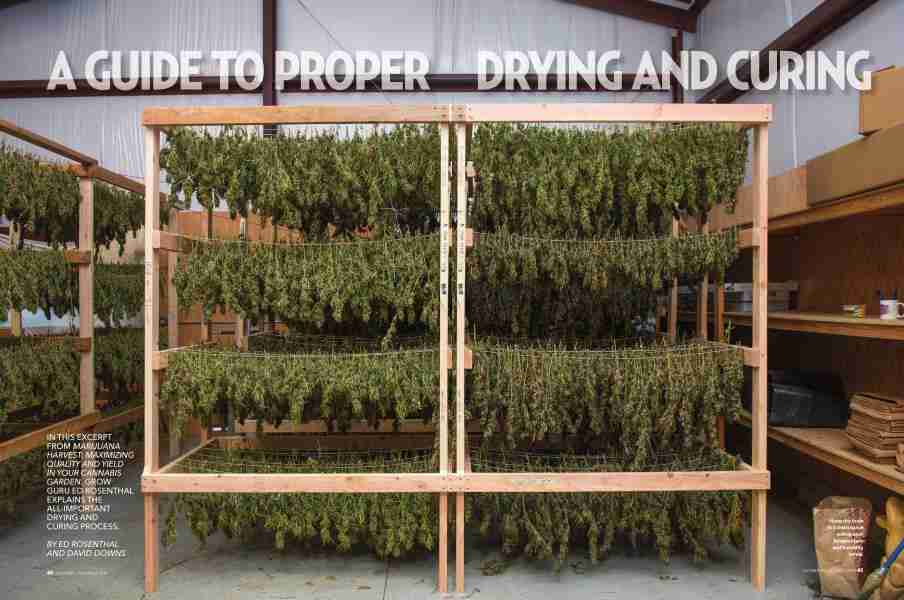
Understanding the Importance of Proper Drying and Cleaning
Ensuring that rice is properly dried and cleaned is essential in the rice milling process. Proper drying removes excess moisture from the rice grains, preventing mold growth and ensuring a longer shelf life. It also helps in achieving the desired texture and taste of the final product. Cleaning the rice before milling removes impurities such as dirt, stones, and husks, resulting in a cleaner and safer end product.
By following the art of proper drying and cleaning, rice millers can produce high-quality rice that meets the standards of consumers. Quality control measures such as moisture testing and sifting can help in ensuring that the rice is dried and cleaned to perfection. Investing in modern drying and cleaning equipment can also improve efficiency and consistency in the milling process, ultimately leading to a superior end product. With these practices in place, rice milling becomes a precise and intricate process that transforms paddy into the perfect grain.

Mastering the Milling Process for Optimal Rice Quality
When it comes to producing top-quality rice, mastering the milling process is absolutely crucial. From receiving the raw paddy to packaging the perfect grain, each step in the milling process plays a vital role in determining the final quality of the rice. By understanding and optimizing each stage of the process, rice millers can achieve the highest standards of quality and consistency in their product.
**Key factors to consider in mastering the milling process include:**
- The importance of proper cleaning and dehusking to remove impurities and outer layers
- The significance of precise milling to achieve the desired grain size and texture
- The impact of polishing and whitening on the appearance and taste of the final product
| Stage | Objective |
|---|---|
| Cleaning and Dehusking | Remove impurities and outer layers |
| Milling | Achieve desired grain size and texture |
| Polishing and Whitening | Enhance appearance and taste |
Tips and Tricks for Achieving the Perfect Grain Every Time
Are you looking to elevate your rice milling game and achieve the perfect grain every time? Look no further, as we’ve compiled some tips and tricks to help you master the art of rice milling from paddy to perfection. With a few simple adjustments and techniques, you’ll be producing top-quality rice that will impress even the most discerning of palates.
First and foremost, it’s essential to start with high-quality paddy rice. Whether you’re using long-grain, short-grain, or basmati rice, selecting the best paddy will set the foundation for success. From there, ensuring proper cleaning and soaking of the rice before milling will help remove any impurities and improve the overall texture and taste. Additionally, adjusting the milling process to achieve the desired level of polish will result in a beautifully finished product that is sure to please. Remember, practice makes perfect, so don’t be afraid to experiment with different techniques until you find what works best for you.
To Wrap It Up
As we conclude our journey through the art of rice milling, we have discovered the intricate process of transforming paddy into the perfect grain. From soaking and steaming to husking and polishing, each step is essential in creating the rice we enjoy on our tables. Next time you take a bite of a bowl of fluffy, fragrant rice, remember the craftsmanship and skill that went into producing it. The art of rice milling is a true testament to the dedication and expertise of those who have mastered this centuries-old tradition. Let us continue to appreciate and savor the fruits of their labor with each satisfying spoonful.




