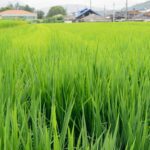
Rice, the beloved staple crop of billions around the world, holds a captivating history that dates back thousands of years. At the heart of this ancient grain lies the intricate process of rice milling, an art form that blends tradition with modern technology to unlock the hidden treasures within each grain. Join us on a journey through the world of rice milling as we delve into the fascinating techniques, tools, and skills that transform humble grains into a culinary masterpiece. This comprehensive guide will explore the art of rice milling in all its glory, offering insights and knowledge that will enrich your understanding of this timeless practice.
Understanding the Basics of Rice Milling
Rice milling is a fascinating process that transforms raw rice grains into the familiar white rice we all know and love. It involves several steps that require precision and attention to detail. One of the key aspects of rice milling is removing the outer layer of the rice grain, known as the husk, to reveal the edible portion inside.
During the milling process, the rice grain goes through various stages to produce different types of rice such as white rice, brown rice, and parboiled rice. Each type of rice has its own unique characteristics and uses. is essential for those involved in the rice industry, from farmers to manufacturers to consumers. With the right knowledge and techniques, rice milling can be seen as an art form that brings out the best in this staple food.

Mastering Different Milling Techniques
When it comes to , one of the most fundamental processes to understand is rice milling. This art form has been practiced for centuries, with each culture developing its unique methods to achieve the perfect grain. By learning the intricate steps involved in rice milling, you can unlock the secrets to producing high-quality rice that is both delicious and nutritious.
One key aspect of rice milling is understanding the different types of milling machines available. From traditional hand mills to modern electric machines, each option offers its advantages and disadvantages. By exploring these various machines and experimenting with different techniques, you can hone your skills and become a master of the rice milling process. Remember, practice makes perfect, so don’t be afraid to try new methods and continuously refine your approach to achieve the best results.

Optimizing Rice Quality through Milling Process
Rice milling is a crucial step in the process of turning rough rice into the polished, marketable product that we are all familiar with. Optimal milling techniques can greatly enhance the quality of the rice, ensuring that it meets the standards expected by consumers around the world. To achieve this, millers must pay close attention to various factors that can impact the final product.
One key factor to consider when optimizing rice quality through the milling process is the degree of milling. Properly adjusting the milling equipment to remove the outer layers of the rice grain without damaging the inner kernel is essential for producing high-quality rice. Additionally, ensuring consistent water levels during the milling process is important for achieving uniformity in the final product. By paying attention to these details and implementing best practices, millers can produce rice that meets the highest standards in terms of appearance, texture, and taste.
Implementing Best Practices for Efficient Rice Production
When it comes to efficient rice production, the art of milling plays a crucial role in ensuring high-quality grains that meet market demands. One of the best practices for achieving optimal milling results is to invest in modern milling equipment that can efficiently remove impurities and produce uniform grain sizes. Utilizing advanced technology such as pneumatic separators and electronic color sorters can help streamline the milling process and improve overall productivity.
Another important aspect of efficient rice production is proper storage and handling of milled rice. Implementing best practices like using airtight containers and moisture-proof packaging can help prevent spoilage and maintain the freshness of the rice. Additionally, setting up a well-organized warehouse with proper ventilation and temperature control can prolong the shelf life of the milled rice and ensure its quality for consumers. By following these best practices, rice producers can enhance their production processes and achieve higher yields in the competitive rice market.
The Way Forward
In conclusion, mastering the art of rice milling is truly a labor of love that requires dedication, precision, and a keen eye for detail. By following the comprehensive guide outlined in this article, you can elevate your rice milling skills to new heights and produce high-quality rice products that are sure to impress. Remember, practice makes perfect, so don’t be discouraged if you don’t get it right the first time. With time and patience, you’ll become a rice milling master in no time. Happy milling!