
In a world where innovation continually reshapes the agricultural landscape, the humble grain—specifically rice—finds itself at the forefront of a technological revolution. Automatic rice mill plants are redefining the processes involved in rice production, transforming traditional methods into seamless, efficient operations that promise both higher yields and enhanced quality. As the global demand for rice surges, driven by a growing population and changing eating habits, these cutting-edge facilities emerge as pivotal players in the quest for sustainability and food security. This article delves into the rise of automatic rice mill plants, exploring how they are not only streamlining production but also revolutionizing the grain industry as a whole. Join us as we unpack the intricacies of this advancement, shedding light on its implications for farmers, consumers, and the future of food.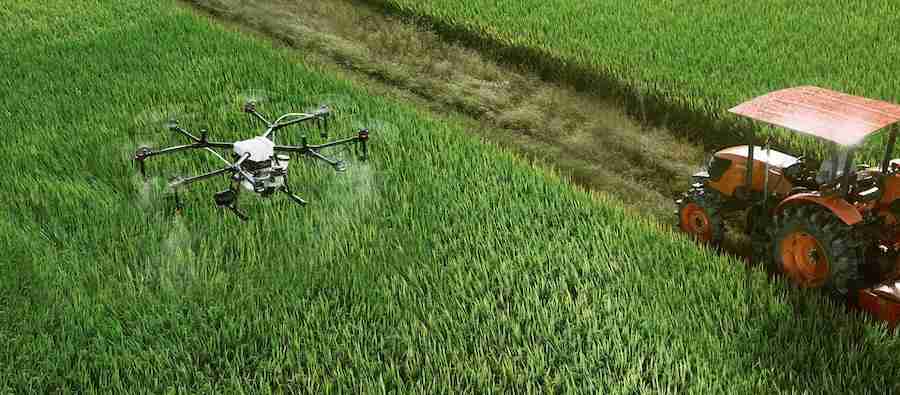
Transforming Agriculture: The Impact of Automatic Rice Milling Technology
Automatic rice milling technology is ushering in a new era in agricultural practices, fundamentally reshaping how rice is produced, processed, and delivered. By streamlining the milling process, these innovative plants not only enhance efficiency but also significantly reduce manual labor. Some of the key benefits include:
- Increased Milling Efficiency: Advanced machinery operates at higher speeds and delivers superior output.
- Consistent Quality: Automated systems ensure uniformity in milling, minimizing broken grains and improving marketability.
- Cost-Effectiveness: Lower operational costs are realized through reduced labor requirements and energy consumption.
- Enhanced Safety: By minimizing human interaction with potentially hazardous equipment, automatic milling promotes a safer working environment.
The impact of these technologies extends beyond mere efficiency; they have the power to elevate the entire rice supply chain. With precise milling processes, farmers are witnessing a transformation in the quality of their yield, which translates to better income. Consider the following statistics showcasing the remarkable effects:
| Aspect | Before Automation | After Automation |
|---|---|---|
| Average Yield (tons/ha) | 2.5 | 3.8 |
| Labor Costs (% of total expenses) | 30% | 15% |
| Quality Grade (0-10) | 5 | 8 |
As more producers adopt these technologies, the ripple effect on local economies and food security becomes increasingly evident. The shift not only amplifies profitability for farmers but also ensures a more robust and resilient agricultural sector, capable of meeting the growing global demands. Consequently, automatic rice milling presents a blueprint for sustainable agricultural innovation and long-term growth.

Efficiency Redefined: Key Features of Modern Rice Mill Plants
Modern rice mill plants have transformed the way grain processing is approached, making the entire process more efficient and streamlined. Automation stands at the forefront, allowing for a significant reduction in manual labor while enhancing precision. With state-of-the-art machinery, these facilities offer unparalleled consistency and quality in rice milling. Key features include:
- Advanced Sorting Technology: Automated grading and sorting systems ensure that only the finest grains make it to the final product, effectively minimizing waste.
- Energy Efficiency: Incorporating eco-friendlier technology, modern rice mills reduce energy consumption while maintaining high productivity levels.
- Integrated Control Systems: Innovative software solutions allow mill operators to monitor processes in real-time, ensuring optimal performance and quick adjustments when necessary.
- Space Optimization: Compact designs of equipment and layout maximize space utilization while facilitating smoother workflow.
Furthermore, these plants often integrate data analytics and IoT capabilities, providing comprehensive insights into production rates, machine health, and maintenance needs. This intelligence not only helps in planning and strategy but also enhances operational longevity. To illustrate the advancements in operational throughput, consider the following comparison of traditional vs. modern mill plants:
| Feature | Traditional Rice Mills | Modern Rice Mills |
|---|---|---|
| Labor Requirements | High | Low |
| Processing Speed | Moderate | High |
| Energy Consumption | High | Low |
| Quality Control | Manual | Automated |

Sustainability and Productivity: The Environmental Benefits of Automated Systems
The integration of automated systems in rice milling not only enhances productivity but also plays a pivotal role in promoting environmental sustainability. By optimizing energy consumption and minimizing waste, these advanced technologies lower the ecological footprint of rice production. Automated mills utilize precision machinery that ensures efficient processing, which reduces the amount of unprocessed grain left behind and lessens overall resource expenditure. Additionally, these systems support better traceability and monitoring, allowing for improved water management and reduced pesticide application, contributing to healthier ecosystems.
Moreover, the shift to automatic rice mill plants encourages the use of renewable energy sources and innovative waste management practices. Many modern mills are employing solar panels and biofuels derived from rice husks to power their operations, significantly reducing greenhouse gas emissions. The benefits extend to the community as well, fostering a circular economy by repurposing by-products such as bran for animal feed and biomass for energy. Here are some notable environmental advantages:
- Reduced Energy Consumption: Automated processes require less energy overall.
- Minimized Water Usage: Efficient systems use water judiciously, protecting valuable resources.
- Lower Carbon Emissions: Transitioning to green technologies cuts down on pollutants.
- Waste Valorization: Reusing and recycling waste materials reduces landfill dependency.
| Feature | Impact |
|---|---|
| Energy Efficiency | Reduces operating costs and fossil fuel dependence. |
| Water Conservation | Preserves local water supplies, enabling sustainable farming. |
| Carbon Footprint Reduction | Improves air quality and mitigates climate change effects. |
| Waste Utilization | Transforms by-products into valuable resources. |
Future Trends: Innovations Shaping the Rice Milling Industry
The rice milling industry is on the brink of a transformative wave, driven by a series of innovative technologies poised to enhance efficiency and sustainability. As automatic rice mill plants become increasingly prevalent, they integrate advanced artificial intelligence and machine learning algorithms to optimize every aspect of the milling process. These plants not only improve the quality of the rice produced but significantly reduce energy consumption and waste. The use of state-of-the-art sensors and IoT connectivity enables real-time monitoring of milling operations, allowing for data-driven adjustments that ensure optimal performance and minimal downtime.
Another key innovation influencing the rice milling landscape is the introduction of smart automation systems that streamline labor-intensive tasks. By automating sorting, grading, and packaging, these sophisticated systems help reduce human error and ensure consistent product quality. The integration of renewable energy sources, such as solar panels, further exemplifies the movement toward greener production methods, decreasing carbon footprints associated with traditional rice milling. As the industry embraces these future-forward trends, we can expect a notable shift toward more sustainable practices and increased productivity, ultimately benefiting farmers, consumers, and the environment alike.
Insights and Conclusions
In wrapping up our exploration of automatic rice mill plants, it’s clear that these innovative facilities are not just a trend but a pivotal shift in the grain processing industry. As technology seamlessly intertwines with traditional practices, we witness a transformation that promises enhanced efficiency, reduced labor costs, and improved food quality. While the rise of automation poses challenges, such as the need for skilled operators and potential impacts on employment, it also opens the door to new opportunities for growth and innovation within the agricultural sector. Embracing these advancements could lead us to a future where rice production is not only more sustainable but also more responsive to the growing demands of the global market. As we look ahead, the journey of grains—from field to mill—continues to evolve, and with it, our understanding of how we can harness technology to feed the world. Whether you’re a farmer, an investor, or simply a curious observer, it’s an exciting time to witness the revolution unfolding in grain processing.




