
In the heart of cuisine across continents, rice serves as a cornerstone, nourishing billions and weaving cultural ties through diverse culinary traditions. Yet, the journey from paddy to plate often remains an arduous endeavor, steeped in traditional practices that have stood for centuries. Enter the age of automation—where cutting-edge technology meets age-old farming, paving the way for a transformative leap in grain processing. Automatic rice mills are emerging as the vanguard of this revolution, promising efficiency, sustainability, and precision in an industry that is ripe for innovation. As we delve into the future of these indispensable machines, we explore how they are not only reshaping grain production but also fostering a new era of agricultural prosperity and food security. Join us as we unravel the potential of automatic rice mills to redefine the landscape of milling and transform the way we think about one of humanity’s oldest staples.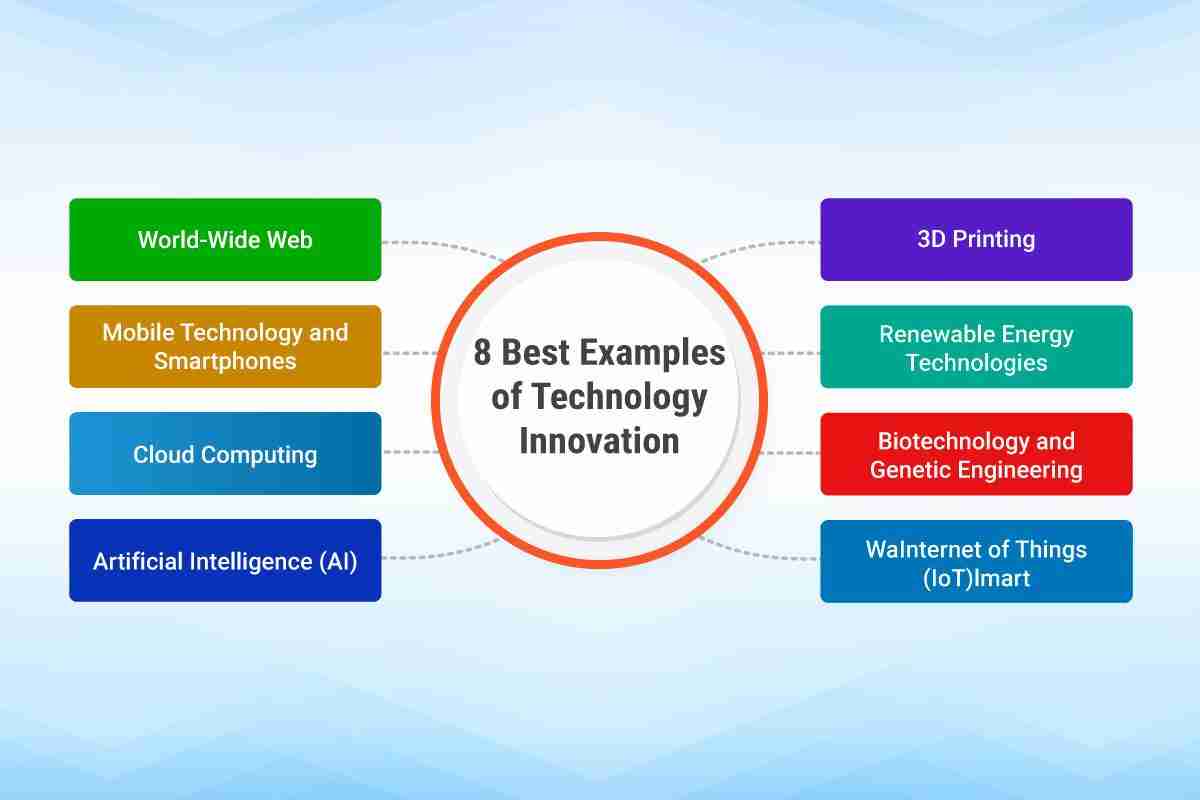
Exploring the Technological Innovations Shaping Automatic Rice Mills
The landscape of rice milling is experiencing a remarkable metamorphosis, driven by cutting-edge technological advancements that not only enhance efficiency but also elevate the quality of the final product. One of the most significant innovations includes automated sorting systems, which utilize intricate algorithms and AI to ensure that only the finest grains make it to packaging. These systems can quickly analyze billions of grains, identifying imperfections and imperfections in real time, thus minimizing waste and maximizing yield. In addition, smart sensors embedded in machinery provide real-time data on moisture levels, temperature, and processing times, enabling mill operators to adjust settings dynamically for optimal performance.
Moreover, the integration of IoT (Internet of Things) technology allows for seamless communication between rice mills and supply chains, fostering improved inventory management and predictive maintenance. By utilizing cloud computing, mill owners can access analytical tools that offer insights into operational efficiency, leading to better decision-making and reduced downtime. The implementation of energy-efficient machinery further enhances sustainability, drastically reducing the carbon footprint associated with traditional milling practices. With such innovations, the future of rice milling not only looks brighter but also greener, promising a transformative impact on agricultural industries worldwide.

Enhancing Efficiency: How Automation Transforms Rice Processing
The integration of automation in rice processing is a game changer for the agriculture industry, enhancing productivity while minimizing labor costs. Automatic rice mills streamline various stages of production, from milling to packaging, ensuring consistent quality and reduced waste. With technologies like sensor-driven sorting, artificial intelligence, and real-time monitoring, these systems can operate with unprecedented precision. Key benefits include:
- Increased Output: Automation allows mills to operate continuously, leading to higher throughput.
- Improved Quality Control: Automated systems can detect impurities and variations in grain quality swiftly.
- Cost Reduction: Lower labor expenses coupled with improved resource utilization enhance profitability.
Moreover, introducing automated machinery addresses labor shortages commonly experienced in agricultural sectors, offering a sustainable solution for the future. With programmable features, manufacturers can customize production according to demand fluctuations, significantly reducing overproduction and storage costs. To illustrate the cost-effectiveness of automated rice mills, the table below compares traditional processing with automated methods:
| Aspect | Traditional Processing | Automated Processing |
|---|---|---|
| Labor Requirement | High | Low |
| Processing Speed | Moderate | High |
| Waste Production | High | Minimized |
| Quality Consistency | Variable | Consistent |

Sustainability in Grain Production: The Role of Smart Mills
As the demand for grain production continues to grow, traditional methods are being challenged by innovative approaches that embrace technology and sustainability. Smart mills are at the forefront of this revolution, utilizing advanced sensors and automated processes that significantly reduce waste and energy consumption. These modern mills are capable of monitoring grain quality in real-time, enabling producers to optimize milling processes and ensure more efficient utilization of resources. With features like precise moisture content detection and the ability to adjust grinding parameters on-the-fly, smart mills not only enhance productivity but also promote environmental stewardship.
Moreover, integrating machine learning and artificial intelligence in grain processing allows for predictive maintenance and supply chain optimization. This creates a more adaptive production environment that can respond swiftly to market demands while minimizing environmental impacts. Some key benefits of implementing smart mills in grain production include:
- Reduced Energy Consumption: Smart mills operate more efficiently, lowering overall energy use.
- Minimized Waste: Advanced technology helps in utilizing every part of the grain.
- Improved Crop Yields: Enhanced grain processing ensures higher quality outputs.
Furthermore, with the increasing importance of sustainable practices, smart mills can track and report on environmental metrics, helping stakeholders to make informed decisions. Creating a transparent supply chain not only meets regulatory requirements but also appeals to consumers who are increasingly aware of sustainability issues. The synergy of innovation and ecological responsibility in grain production heralds a new era dedicated to preserving our resources while meeting global food demands.
Future-Proofing Agriculture: Investment Strategies for Automatic Rice Mill Technologies
As the agricultural landscape continuously evolves, investing in automatic rice mill technologies is not just an option; it is a necessity for ensuring sustainable growth and efficiency. By channeling resources into advanced milling machinery, stakeholders can enhance productivity while minimizing their ecological footprint. Key investment strategies encompass:
- Research and Development: Allocating funds towards innovative technologies such as AI-driven milling systems that optimize rice processing.
- Partnerships: Collaborating with technology firms and agricultural institutions can foster advancements in rice milling techniques.
- Financial Incentives: Taking advantage of government subsidies and grants aimed at modernizing agriculture can significantly offset initial costs.
Moreover, embracing automation not only boosts operational efficiency but also paves the way for future expansion in the industry. To facilitate informed decision-making, assessing the cost-benefit ratio is crucial. Below is a simple overview of projected returns on investment over different technological enhancements:
| Technology | Initial Investment | ROI (Year 1) | ROI (Year 5) |
|---|---|---|---|
| Standard Automatic Mill | $50,000 | 10% | 50% |
| AI-Enhanced Automatic Mill | $100,000 | 15% | 75% |
| Eco-Friendly Mill | $70,000 | 12% | 65% |
Careful analysis of such data ensures that investors not only support cutting-edge technologies but also contribute to a resilient agricultural sector capable of meeting future challenges.
In Conclusion
As we stand on the precipice of agricultural innovation, the future of automatic rice mills promises to transform not just the way we process grains but also how we perceive the relationship between technology and tradition. These advanced systems, laden with precision and efficiency, are poised to alleviate the burdens of labor while enhancing productivity and sustainability in rice production.
Envision a world where farmers harness the power of automation to cultivate thriving ecosystems, where every grain tells a story of diligence and ingenuity. As we embrace these developments, it is essential to remain mindful of the cultural significance and heritage that accompany our staple foods. The integration of technology into rice milling is not merely a mechanical upgrade; it is an opportunity to reimagine our agricultural practices, ensuring a balance between modernization and the deep-rooted customs that bind us to the land.
In this evolving landscape, collaboration among farmers, engineers, and policymakers will be crucial to realizing the full potential of automatic rice mills. Together, they can create a future where grains are not only revolutionized but celebrated—cultivating not just a meal, but a movement toward a more resilient and sustainable food system. As we look ahead, let us embrace the promise of innovation, propelling the humble grain into a new era of prosperity and possibility.




