In an era marked by rapid technological advancement and a growing demand for lasting food production, the world of agriculture is on the brink of a revolution. Among the myriad of innovations reshaping farming practices, automatic rice mill plants stand out as a beacon of efficiency and modernity. As the backbone of rice processing, these state-of-the-art facilities are not only streamlining operations but also paving the way for smarter, more sustainable agricultural practices. This article delves into the transformative potential of automatic rice mill plants, exploring how they harness cutting-edge technology to enhance productivity, reduce waste, and ultimately contribute to a more secure food future. Join us as we explore the intricate mechanisms, benefits, and future prospects of these advancements in grain processing, and discover how they are set to revolutionize one of the world’s most essential staple foods.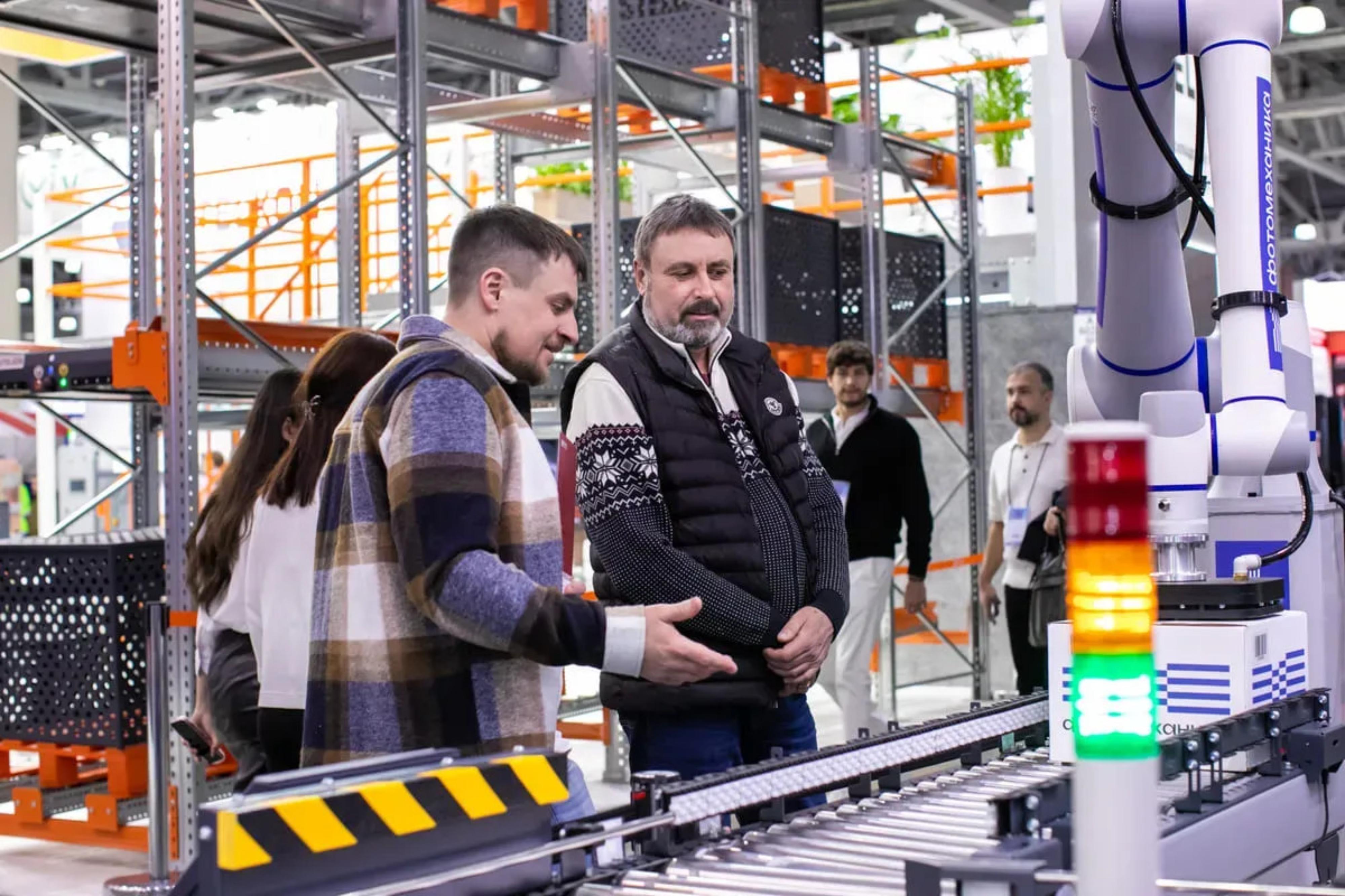
Embracing Automation Technology for Enhanced Efficiency in Rice Milling
As the demand for rice continues to rise globally, the need for optimized milling processes has never been more critical.Automation technology stands at the forefront of this revolution, transforming conventional rice mills into state-of-the-art facilities capable of enhanced productivity and efficiency. By incorporating automated systems, plant operators can minimize manual labor, reduce errors, and streamline operations. Some benefits of adopting automation include:
- Increased output: Automated machinery can operate continuously,considerably boosting rice milling capacity.
- improved grain quality: Precision equipment ensures uniform milling, leading to higher quality rice with better taste and nutritional value.
- cost-effectiveness: Reduced labor costs and enhanced process efficiencies contribute to lower operational expenses.
- Real-time monitoring: Smart technology allows for continuous assessment of equipment performance and maintainance needs.
Moreover, the integration of IoT (Internet of things) in rice milling operations provides a unique prospect for data analytics and machine learning to further enhance efficiency. By monitoring key performance indicators through interconnected devices, mill operators can make informed decisions in real-time, adjusting processes to optimize yield. The potential for predictive maintenance not only extends equipment lifespan but also prevents costly downtimes.For a closer look at how automation streamlines the milling process, consider the following comparison:
| Aspect | Traditional Milling | Automated Milling |
|---|---|---|
| Labor Requirement | High | Low |
| Process Consistency | Variable | High |
| Downtime | Frequent | Minimal |

Sustainable Practices in Modern rice mill plant Operations
modern rice mill plants are embracing innovative solutions that not only enhance productivity but also prioritize environmental stewardship. By integrating technologies such as energy-efficient machinery and renewable energy sources, these facilities are significantly reducing their carbon footprint.The adoption of advanced water management systems has further propelled sustainability, ensuring minimal water wastage and promoting responsible consumption. Additionally, the incorporation of automated quality control systems helps in minimizing product loss during processing, making operations both efficient and eco-friendly.
To further bolster their sustainable practices, rice mills are exploring numerous approaches, including:
- Zero Waste Production: Implementing strategies to recycle by-products effectively.
- Organic Practices: Sourcing locally grown, organic rice varieties minimizes transportation emissions.
- Smart Technology: Utilizing IoT for real-time monitoring to optimize resource usage.
- Employee Training: Engaging workers in sustainability initiatives to foster a culture of environmental awareness.
A reflection of these practices can be found in the following data table, illustrating the changes in resource consumption before and after implementing sustainable measures:
| Resource | Before Implementation | After Implementation |
|---|---|---|
| Energy Use (kWh) | 10,000 | 7,500 |
| Water Use (liters) | 20,000 | 12,000 |
| Waste Generation (kg) | 500 | 150 |
Integrating Smart Data Solutions for Quality Control and Traceability
In the age of digital transformation, the integration of smart data solutions in rice milling operations can dramatically enhance both quality control and traceability. With the advent of Internet of Things (IoT) technology, automatic rice mill plants are now equipped with real-time monitoring systems that provide critical insights into every stage of the milling process. By harnessing the power of data analytics, mill operators can identify anomalies, reduce wastage, and ensure that the product meets stringent quality standards. This involves the use of sensors to capture key quality metrics, such as moisture content, grain size, and foreign matter detection, enabling a proactive rather than reactive approach to quality management.
Moreover, traceability becomes effortless in a smart data surroundings. The incorporation of blockchain technology allows for a transparent and tamper-proof record of all transactions and processes. This means every grain of rice can be tracked from the field to the consumer’s table, instilling confidence in the supply chain. Key benefits include:
- Increased Accountability: Every player in the supply chain is accountable for their part.
- Consumer Trust: Knowledge of sourcing and processing builds consumer confidence.
- Efficient Recalls: Quickly isolate and address quality issues in the event of a product recall.
| Smart Feature | benefit |
|---|---|
| Real-Time Monitoring | Immediate insights into quality deviations. |
| Data Analytics | Informed decision-making based on precise data. |
| Blockchain Tracking | Enhanced clarity and trust. |
Future Trends in Rice Milling: Innovations and Market Adaptations
The landscape of rice milling is undergoing a significant transformation driven by technological advancements and shifting market demands. At the forefront of this evolution are automated milling systems that integrate artificial intelligence and machine learning, enhancing efficiency and precision in grain processing. These systems provide real-time analytics that monitor performance, ensuring optimal operation and reducing waste. Innovations in sensor technology are also playing a vital role, allowing for better quality control throughout the milling process. Furthermore, the introduction of sustainable practices, such as water recycling and energy-efficient machinery, is becoming increasingly crucial as environmental concerns grow.
Additionally, the market for rice milling is adapting to new consumer preferences, emphasizing the need for value-added products. As health-conscious consumers seek alternative grains, rice mill plants are diversifying their offerings to include organic, fortified, and specialty rice varieties. The adoption of smart packaging that informs consumers about nutritional value and sourcing contributes to increased market appeal. To illustrate these trends more clearly, consider the following table outlining key innovations and their impacts in the rice milling sector:
| Innovation | Impact |
|---|---|
| Automated Systems | Increased efficiency and reduced labor costs |
| AI Analytics | Real-time performance monitoring and data-driven adjustments |
| sustainable Practices | Lower environmental impact and improved resource management |
| Smart Packaging | Enhanced consumer engagement and transparency |
In Retrospect
As we stand on the cusp of a new era in grain processing, the automatic rice mill plants mark a transformative leap forward in agricultural technology. By harnessing the power of innovation, these advanced systems promise not just to optimize production but to safeguard the sustainability of our food supply. As the world grapples with demands for efficiency and quality, the integration of automation and smart technology in rice milling represents a vital step towards meeting future challenges.
In visioning the future,we see a landscape where traditional practices and modern methods coexist harmoniously.The automated processes enhance productivity while respecting the age-old craft of rice cultivation. As we embrace this evolution, it’s essential to remain committed to both technological advancements and the communities that will benefit from them.
Ultimately, the journey of revolutionizing grains is just beginning, and the horizon glimmers with possibilities. it’s an opportunity to rethink how we grow, process, and consume one of the world’s most essential resources. The future of rice milling is not just about machinery; it’s about forging a path toward a more efficient, sustainable, and equitable food system for generations to come.