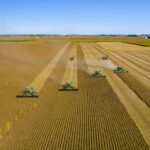
in the ever-evolving landscape of agricultural technology, the need for innovative solutions to enhance efficiency and sustainability is paramount. enter the “2 Ton Rice Mill Project,” a groundbreaking initiative aimed at revolutionizing grain processing, notably in rice production. As global populations surge and food security becomes increasingly critical, this project seeks to address the challenges faced by farmers and millers alike. By leveraging modern engineering and best practices, the 2 Ton Rice Mill is poised to transform traditional methods, offering a new standard of productivity and quality in rice processing. This article explores the intricacies of the project, its potential impact on the agricultural sector, and the promise it holds for the future of grain processing. Join us as we delve into the mechanics, benefits, and implications of this aspiring endeavor, illuminating a path toward more sustainable and efficient agricultural practices.
innovative Technology and Design Features of the 2 Ton Rice Mill
the 2 Ton Rice Mill is a quintessential blend of cutting-edge technology and user-centric design, aimed at maximizing efficiency in grain processing. Key features include an automated sorting system that enhances grain quality by ensuring that only the best are processed. Its energy-efficient motors not only lower operational costs but also contribute to a sustainable environment. Additionally, the incorporation of smart sensors allows for real-time monitoring, enabling mill operators to receive alerts about maintenance needs or operational anomalies, thereby minimizing downtime and enhancing productivity.
In terms of design, the mill boasts a compact structure optimized for small-scale operations, making it ideal for local farmers and co-operatives. The intuitive digital interface simplifies the operation, allowing users to easily navigate through various settings and parameters. Safety features such as automatic shut-off mechanisms and emergency stop buttons ensure that operators can work with confidence, minimizing risk in emergency situations.Furthermore, the aesthetic appeal of the mill, with its sleek finish and modern design, makes it an attractive addition to any agricultural facility.

Enhancing Efficiency and sustainability in Rice Processing
In today’s fast-paced agricultural landscape, enhancing operational efficiency and sustainability in rice processing is not just beneficial; it is essential. the 2 Ton Rice Mill Project integrates cutting-edge technology that maximizes output while minimizing waste, directly addressing both productivity and environmental concerns. Key features of this innovative mill include:
- Energy Efficiency: Utilizing low-energy machinery that reduces overall power consumption.
- Water Conservation: Systems designed to reuse and recycle water during the milling process.
- Waste Reduction: Technology that minimizes byproducts, ensuring that nearly every component of the rice is utilized.
- Eco-pleasant Packaging: Incorporating biodegradable materials for rice packaging to decrease plastic waste.
Moreover,the project’s commitment extends beyond just the milling process. Training programs for local farmers aim to enhance their agricultural practices by promoting sustainable methods, thereby creating a symbiotic relationship between the mill and the farming community.the following table outlines the core benefits that come with adopting the 2 Ton Rice Mill Project:
| Benefit | Description |
|---|---|
| Increased Yield | Optimized processes lead to higher rice yield per hectare. |
| Cost Efficiency | Lower operational costs through resource-efficient techniques. |
| Market Competitiveness | Enhanced product quality increases marketability and profit margins. |
Economic Impact and Opportunities for Local Farmers
The launch of the 2 Ton Rice Mill Project presents an unprecedented possibility for local farmers to enhance their economic viability. As farmers gain access to state-of-the-art milling technology, they will be empowered to process their grains directly on-site, significantly reducing transportation costs and increasing the value of their produce. This shift not only optimizes operational efficiency but also opens up new revenue streams through the ability to sell packaged rice to local markets and consumers. Farmers will have the potential to establish direct-to-consumer sales channels, increasing profit margins and fostering community connections.
Additionally, the project’s impact extends beyond individual farmers to the broader agricultural community. Benefits include:
- Job Creation: The mill requires skilled labor for operation, creating jobs in the local area.
- Economic Growth: Increased processing capacity can elevate local economies by fostering entrepreneurship.
- Enhanced Food Security: Local milling reduces reliance on external suppliers, ensuring consistent access to staple grains.
- investment Opportunities: The success of the project may attract investors interested in sustainable agriculture.
Moreover, the project can catalyze a network of collaboration among farmers aimed at sharing best practices in production and processing. Local cooperatives can emerge, pooling resources and knowledge to strengthen bargaining power in the market. The following table illustrates the projected economic benefits from the project:
| Benefit | Estimated Impact |
|---|---|
| Increased Income for Farmers | Up to 30% increase |
| Local Job Creation | 50 new positions |
| Boost to local Economy | $100,000 in annual revenue |
Best Practices for Implementing and Managing rice Mill Operations
Successfully managing a rice mill starts with establishing robust operational frameworks that ensure efficiency and safety. Begin by investing in comprehensive training programs for your workforce, emphasizing the importance of machinery operation, safety protocols, and maintenance procedures. Additionally, consider implementing automated monitoring systems to track production metrics in real-time, which can help identify bottlenecks and enhance workflow. It’s vital to foster a culture of continuous improvement, encouraging employees to propose innovative solutions and best practices that could enhance productivity and quality output.
Another key aspect lies in establishing strong relationships with local farmers and suppliers. This ensures a consistent source of high-quality paddy and reduces disruption due to supply chain issues.Consider creating a cooperative model where farmers can benefit from stable pricing and timely payments. Regular workshops and feedback sessions can also help strengthen these ties and facilitate knowledge sharing. Moreover,tracking quality control metrics is essential to maintain product standards. A simple yet effective way to present this data is through a table that compares input quality versus output quality, providing visual insights into production consistency.
| input Quality Parameters | Output Quality Indicators |
|---|---|
| Moisture Content | Grain Purity |
| Foreign Matter percentage | Head Rice Yield |
| Grain Size | Aromatic Quality |
Insights and Conclusions
As we stand on the brink of a new era in grain processing, the 2 Ton rice Mill Project emerges not merely as an innovation but as a catalyst for change. By harnessing modern technology and sustainable practices, this initiative promises to enhance productivity while preserving the quality that consumers cherish. the impact of such advancements will resonate through local farming communities, uplifting the livelihoods of many and ensuring food security for generations to come.
In the tapestry of agricultural evolution, the 2 Ton Rice Mill is a significant stitch—a step towards a more efficient, equitable, and environmentally conscious future in grain processing. As we look ahead, the lessons learned from this project will undoubtedly inspire future endeavors, paving the way for further innovations that empower farmers and consumers alike. the journey has only just begun, and the potential remains limitless.