
In the ever-evolving landscape of agriculture, where tradition meets technology, the fully automatic rice mill plant stands as a beacon of efficiency and innovation. Gone are the days of labor-intensive processing methods that consume valuable time and resources. Today, advancements in automation are reshaping the way we approach one of the world’s staple foods—rice. This article delves into the transformative impact of fully automatic rice mill plants, exploring how they streamline production, enhance quality, and contribute to sustainability. From their sophisticated machinery to the precision they offer, these modern facilities are not only revolutionizing how rice is milled but also setting the stage for a more productive and resilient agricultural future. Join us as we unpack the myriad benefits and implications of this cutting-edge technology, which promises to redefine the rice milling industry for generations to come.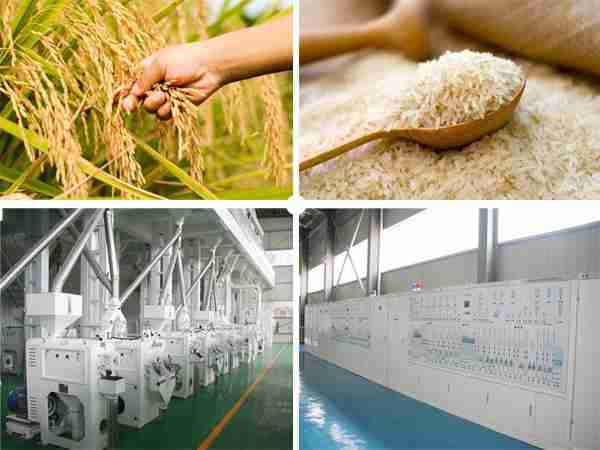
The Evolution of Rice Milling Technology and Its Impact on Efficiency
The journey of rice milling technology has witnessed remarkable transformations, particularly with the inception of fully automated systems that have drastically improved processing efficiency. Gone are the days when manual labor dominated the rice milling industry. Today’s machinery integrates advanced technologies such as sensors, robotics, and AI to streamline operations. These innovations enable millers to achieve consistent output quality while minimizing labor costs. The advent of automated rice mills has not only reduced processing times but has also enhanced the precision of milling, resulting in higher rice recovery rates and improved overall yield for mill owners.
The impact of this technological evolution on efficiency is multifaceted. Fully automatic rice mill plants, equipped with sophisticated grading and sorting mechanisms, ensure that every grain meets quality standards before reaching consumers. The incorporation of energy-efficient systems also plays a crucial role. Key features include:
- Reduced energy consumption through optimized machinery functions.
- Real-time monitoring for immediate adjustments to enhance productivity.
- Minimized waste with precise calibration of milling processes.
To underscore the advancements, here’s a simple comparison of traditional versus modern rice milling:
| Aspect | Traditional Milling | Modern Automated Milling |
|---|---|---|
| Processing Time | Hours | Minutes |
| Labor Requirement | High | Minimal |
| Output Quality | Variable | Consistently High |
Understanding the Components of a Fully Automatic Rice Mill Plant
The composition of a fully automatic rice mill plant includes a myriad of intricately designed components, each playing a crucial role in streamlining the rice milling process. At the heart of this operation is the paddy pre-cleaner, which removes impurities and ensures that only the highest quality grains are processed. Following this are various hulling and polishing machines that efficiently remove husks and polish the grains, elevating the quality of the final product. Moreover, the inclusion of sieving and grading systems allows for precise sorting, ensuring uniformity in grain size, which is vital for packaging and marketability.
In addition to mechanical components, automation technology significantly enhances operational efficiency. Key features such as touchscreen control panels enable operators to monitor and adjust settings in real-time, facilitating a seamless workflow. Furthermore, sensors and monitoring systems provide invaluable data on each stage of the milling process, optimizing performance and minimizing waste. The incorporation of dust and waste management systems ensures a cleaner working environment, while also salvaging by-products for further use. Together, these components create a state-of-the-art milling facility that not only maximizes output but also maintains high standards of quality and hygiene.
Enhancing Production Quality: Key Features and Innovations
Integrating cutting-edge technology in rice milling operations significantly elevates production quality. A fully automatic rice mill plant incorporates advanced sensors and AI-driven algorithms to monitor various parameters in real-time, ensuring optimal output and consistency. Operators benefit from automated adjustments to processing conditions, which help maintain the integrity of rice grains while minimizing waste. Essential features such as dust extraction systems and water management controls not only secure the quality of the rice but also promote a cleaner and more sustainable environment for the milling process.
In addition to superior quality control, technological innovations empower rice mill operations to be more efficient and time-effective. Features such as modular design allow for scalability and customization to meet diverse production needs. Additionally, integrated maintenance alerts enable proactive servicing, reducing downtime and prolonging equipment life. Below is a quick comparison of some key specifications and features of modern fully automatic rice mill plants:
| Feature | Traditional Mill | Fully Automatic Mill |
|---|---|---|
| Processing Time (per ton) | 4-6 hours | 1-2 hours |
| Labor Requirement | 8-10 workers | 2-3 workers |
| Waste Generation (%) | 30% | 5% |
| Energy Efficiency | Low | High |
Best Practices for Implementing and Managing a Modern Rice Mill Plant
To achieve optimal performance from a modern rice mill plant, training and skill development of the workforce is essential. Investing in comprehensive training programs ensures that employees are well-versed in the latest technologies and efficient operational techniques. Establishing a culture of continuous improvement encourages workers to share insights on machine operation, maintenance, and quality control. Moreover, implementing basic maintenance protocols can significantly enhance equipment longevity and production efficiency. Routine checks and immediate troubleshooting can reduce downtime, ensuring that every component of the plant operates at peak performance.
Another crucial aspect revolves around the selection of quality raw materials and effective supply chain management. Sourcing high-grade paddy rice not only guarantees superior end products but also minimizes waste during processing. Leveraging technology to monitor supply chain dynamics aids in maintaining a steady flow of quality inputs into the mill. To facilitate planning, consider utilizing a structured reporting table that captures key metrics of operations:
| Metrics | Measurement | Target Value |
|---|---|---|
| Input Quality | % of Low-Grade Paddy | Less than 5% |
| Output Efficiency | % of Rice Yield | Over 68% |
| Downtime | Hours/Week | Under 2 Hours |
This structured approach not only helps in tracking progress but also aligns operational practices with overarching business goals, leading to better management and successful implementation of the plant’s capabilities.
Closing Remarks
In a world where efficiency defines success, the fully automatic rice mill plant stands as a testament to innovation and technological advancement. As we have explored, these state-of-the-art facilities not only streamline the rice milling process but also enhance productivity and reduce labor costs, ultimately benefiting both producers and consumers alike.
The transition to full automation marks a significant leap towards sustainable agricultural practices, enabling rice millers to meet the growing global demand while preserving the integrity of the grains. With precision engineering and advanced quality control measures, these plants promise not just to revolutionize the rice milling industry but also to ensure that nourishment is delivered in its finest form.
As we move into an era dominated by technology, the adoption of fully automatic rice mill plants can serve as a blueprint for other agricultural sectors seeking to improve efficiency and sustainability. The future of farming may indeed be automated, but the heart of the industry—a commitment to quality and nourishment—remains steadfast.
as we embrace this revolutionary change, we invite stakeholders across the agricultural landscape to consider the transformative potential of automation, not just in rice milling, but in building a resilient and efficient food ecosystem for generations to come. The journey of innovation continues, and we are just at the beginning.




