
Revolutionizing Agriculture: The Future of Automatic Rice Mills
In a world where technological innovation intertwines with traditional practices, the agricultural sector stands on the brink of a transformation unlike any other. Rice, a staple that nourishes billions, has long been milled using time-honored techniques that, while effective, often demand considerable labor and resources. Enter automatic rice mills—a game-changing development poised to redefine the landscape of rice processing. As we delve into the realm of automation, this article explores how these sophisticated machines not only streamline production but also promise to enhance efficiency, sustainability, and food security. Join us on a journey through the future of rice milling, where tradition meets technology, paving the way for a more resilient agricultural system.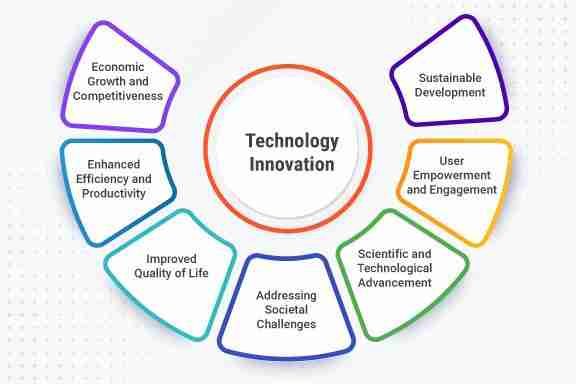
Innovative Technologies Driving the Next Generation of Rice Milling
The landscape of rice milling is experiencing a seismic shift due to the advent of cutting-edge technologies that are redefining processing efficiency and product quality. Among these advancements, the integration of artificial intelligence (AI) and machine learning is paving the way for smarter mills that can adjust operations in real-time, optimizing parameters such as temperature and duration based on the grain variety. Furthermore, IoT-enabled sensors monitor moisture levels and the integrity of the produce, ensuring that only the best grains undergo processing. Some of the key innovations driving this revolution include:
- Automated Sorting Systems: Utilizing camera-based technology to select quality grains, minimizing human error.
- Energy-efficient Machinery: Designs that reduce power consumption while maintaining throughput.
- Cloud-based Data Analysis: Providing farmers and millers with insights to enhance production strategies over time.
At the core of these innovations lies the advent of robotics, where advanced machines can handle everything from loading to packaging with clinical precision. This not only streamlines workflow but also significantly reduces labor costs. A noteworthy mention is the dual milling process, which employs both traditional and modern techniques, resulting in superior quality rice with enhanced nutritional value. As the industry continues to evolve, embracing these technological innovations will not only boost productivity but also contribute to sustainability efforts in agricultural practices.
| Technology | Benefits |
|---|---|
| AI and Machine Learning | Real-time optimization of milling processes. |
| IoT Sensors | Enhanced monitoring of grain quality and processing conditions. |
| Robotics | Increased efficiency and reduced labor costs. |
| Energy-efficient Machinery | Lower power consumption and reduced operational costs. |

Sustainable Practices and Their Role in Modern Automatic Rice Mills
The integration of sustainable practices into automatic rice mills marks a significant leap towards a greener agricultural sector. By utilizing renewable energy sources such as solar panels and biomass, these modern mills are reducing their carbon footprint while ensuring that rice production is more eco-friendly. Additionally, the adoption of water conservation techniques—like closed-loop water systems—minimizes the impact on local water resources, making rice milling operations not only efficient but also resource-conscious. These measures significantly contribute to the resilience of entire farming communities by fostering a more sustainable ecosystem.
Furthermore, many automatic rice mills are now employing waste management strategies that maximize efficiency. The byproducts of milling, such as husks and bran, are increasingly being repurposed into valuable products, thereby reducing waste and promoting a circular economy. This could include using husks as biomass fuel or incorporating bran in animal feed, which not only supports local industries but also aligns with sustainable agricultural practices. With these proactive steps, automatic rice mills embody the changing face of agriculture—where productivity meets sustainability, ensuring a profitable future for farmers and a more responsible approach to food production.
Enhancing Efficiency: The Integration of IoT and AI in Rice Processing
The integration of the Internet of Things (IoT) and Artificial Intelligence (AI) in rice processing is transforming traditional practices into smart and efficient workflows. By deploying sensor-based technologies, mill operators can monitor every aspect of rice quality, from moisture content to temperature variations in real-time. This not only enhances the consistency of the product but also minimizes waste by ensuring that quality control happens at each stage of production. Some key benefits include:
- Real-time Monitoring: Sensors provide immediate insights, ensuring timely interventions.
- Predictive Maintenance: AI algorithms predict equipment failures, reducing downtime.
- Data-Driven Decisions: Analytics help optimize processes based on historical data.
Moreover, the combination of IoT and AI paves the way for automation, allowing rice mills to operate with minimal human intervention. For instance, AI can analyze supply chain data to optimize logistics, ensuring that raw materials are available when needed while reducing storage costs. This intelligent integration leads to a more sustainable business model, where resources are utilized efficiently and production scales with demand. The following table illustrates how these technologies contribute to enhanced productivity:
| Aspect | Traditional Method | IoT & AI Method |
|---|---|---|
| Quality Control | Manual Sampling | Automated Sensors |
| Maintenance | Scheduled Inspections | Predictive Analytics |
| Logistics | Static Planning | Dynamic Optimization |
The Path Forward: Investment Strategies for Future-Ready Rice Milling Solutions
As the landscape of agriculture continues to evolve, the rice milling industry stands at a pivotal juncture, requiring innovative investment strategies to thrive in a future driven by automation. Stakeholders must embrace investments in cutting-edge technologies, ensuring that their operations are not only efficient but also sustainable. This can be achieved through a focus on the following areas:
- Smart Milling Equipment: Transitioning to automated systems that reduce labor costs and enhance precision.
- Data Analytics: Utilizing big data to optimize production processes and predict market demands.
- Renewable Energy Sources: Investing in solar or biogas technologies to power operations sustainably.
- Training Programs: Equipping employees with the skills needed to operate advanced machinery and understand data insights.
Furthermore, collaboration across the supply chain can amplify the benefits of these investments. Establishing partnerships with technology providers, universities, and agricultural organizations can foster innovation and share valuable insights. Key focus areas should include:
| Focus Area | Benefits |
|---|---|
| Joint Ventures | Shared risk and combined resources for R&D. |
| Knowledge Sharing | Access to the latest industry insights and technological advancements. |
| Sustainable Practices | Creating a resilient ecosystem that supports community growth. |
By adopting these strategies, the rice milling industry can position itself not only to meet current market demands but also to anticipate future challenges. Embracing innovation, sustainability, and collaboration will be crucial in shaping a robust pathway forward.
Wrapping Up
As we stand on the brink of a new era in agriculture, the emergence of automatic rice mills marks a pivotal shift toward efficiency, sustainability, and innovation in food production. These advanced systems not only streamline the processing of one of the world’s staple foods but also empower farmers to optimize their yields and reduce waste. As technology continues to evolve, the integration of automation within rice milling will undoubtedly play a crucial role in addressing the challenges of food security and environmental sustainability.
In envisioning the future, one can see a landscape where precision engineering and smart technology ensure that every grain is harvested, processed, and delivered with care. By embracing these advancements, we are not just revolutionizing agriculture; we are forging a path toward a more resilient and capable food system. The journey of automatic rice mills is just beginning, and it holds the promise of transforming how we cultivate, process, and enjoy this vital resource. As stakeholders across the agricultural spectrum navigate this transition, the potential for a brighter, more efficient, and sustainable future is ripe for the taking.




