
In the world of agriculture, few products are as vital to global sustenance as rice. With billions of people relying on it as a staple food, the process of transforming raw paddy into polished grains is both an art and a science. Enter the rice milling unit—a crucial cog in the intricate machinery of food production. However, as the demand for quality rice grows, so does the need for optimized efficiency in milling operations. This guide aims to navigate the complexities of rice milling units, offering insights into modern techniques, innovative technologies, and best practices that can enhance productivity while ensuring sustainability. Whether you are a seasoned mill operator or a newcomer to the industry, understanding how to optimize efficiency in your milling process could mean the difference between simply surviving and thriving in today’s competitive market. Join us as we delve into the essentials of rice milling, unlocking secrets to elevate your output and refine your craft.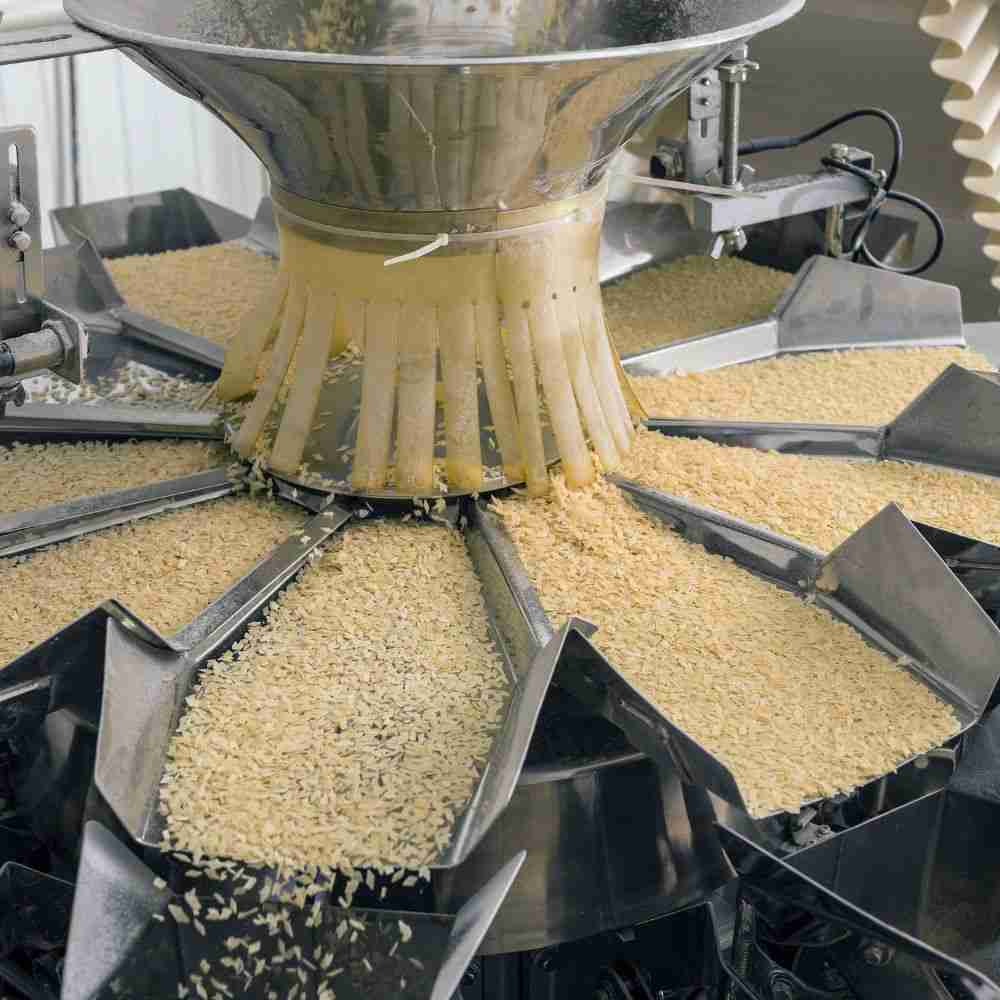
Understanding Rice Milling Processes for Maximum Output
Rice milling is a critical process that transforms paddy into edible rice, and understanding its various stages can aid in maximizing output. Each phase in the milling process plays a pivotal role in determining the quality and quantity of the final product. The process typically includes:
- Pre-cleaning: This step involves removing impurities such as stones and husks to ensure that only the best grains proceed to the next stage.
- Hulling: Here, the outer husk is removed, revealing the brown rice beneath, which is essentially unpolished rice.
- Whitening: During this phase, the brown rice undergoes polishing to eliminate the bran layer, resulting in white rice.
- Grading: The rice is sorted based on size and quality, which affects marketability.
By optimizing each of these steps, a milling unit can significantly enhance efficiency and yield. Key factors to consider for increased productivity include:
| Factor | Impact on Output |
|---|---|
| Machinery Maintenance | Prevents breakdowns and downtime, ensuring smooth operations. |
| Water Quality | Impacts milling effectiveness and final rice quality. |
| Training of Operators | Enhances operational efficiency and reduces errors during processing. |
| Technology Integration | Improves monitoring and control for better resource management. |

Key Technologies Revolutionizing Rice Milling Efficiency
Advancements in technology are reshaping the landscape of rice milling, making the process more efficient and sustainable. One of the most significant innovations is the introduction of automated milling systems, which utilize sensors and artificial intelligence algorithms to monitor grain quality during processing. These automated systems not only enhance precision but also reduce labor costs and minimize the potential for human error. Along with automation, the deployment of energy-efficient machinery is vital in reducing the overall carbon footprint of rice milling operations. Equipment such as high-performance huskers and de-huskers consume less power while delivering superior results.
The adoption of digital tracking systems is another game-changer for rice mills. These systems enable real-time monitoring of production metrics, allowing millers to make informed decisions and quick adjustments to optimize output. Furthermore, the integration of biotechnology into rice strains leads to improved grain quality and yield, making milling more productive and beneficial. To effectively illustrate these advancements, consider the following table that showcases key technologies and their benefits:
| Technology | Benefits |
|---|---|
| Automated Milling Systems | Increased precision, reduced labor costs |
| Energy-Efficient Machinery | Lower energy consumption, reduced emissions |
| Digital Tracking Systems | Real-time monitoring, enhanced decision-making |
| Biotechnology | Improved grain quality, higher yields |
Best Practices for Maintenance and Operation of Milling Units
Effectively maintaining and operating milling units is crucial for enhancing productivity and ensuring the longevity of the equipment. Regular preventive maintenance should be established as a standard routine that includes tasks such as:
- Inspecting and cleaning the mill to prevent buildup of rice dust and residue.
- Lubricating moving parts to reduce wear and friction.
- Calibration checks for machinery to ensure optimal performance.
This proactive approach not only prevents unforeseen breakdowns but also contributes to a smoother workflow and higher-quality output. Additionally, training operators on best practices for handling the milling equipment can dramatically reduce operational errors and improve overall efficiency.
Another significant aspect of efficient milling operation is monitoring key performance indicators (KPIs). Keeping track of metrics such as throughput, energy consumption, and waste generation helps to pinpoint areas needing improvement. Construction of an informative dashboard can be beneficial for this purpose—a simple KPI table might look like the one below:
| Key Performance Indicator | Optimal Range | Action if Out of Range |
|---|---|---|
| Throughput (kg/hr) | 500 – 700 | Review feed rate and adjust settings |
| Energy Consumption (kWh) | 200 – 300 | Check for mechanical issues |
| Waste (%) | Less than 10 | Inspect milling process for inefficiencies |
Using this data, operators can make informed decisions about maintenance schedules and operational adjustments to better align with production goals and quality standards.
Sustainability Considerations in Rice Milling Efficiency Strategies
In the quest for enhancing the efficiency of rice milling units, sustainable practices play a crucial role in aligning operational goals with environmental stewardship. Implementing energy-efficient machinery can significantly reduce the carbon footprint associated with rice processing. Key strategies include:
- Use of Renewable Energy Sources: Integrating solar panels or biomass systems can lower reliance on fossil fuels and decrease operational costs.
- Water Conservation Technologies: Employing advanced water management systems ensures minimal waste while maintaining high-quality milling standards.
- Waste Management Practices: By repurposing rice husks and other by-products as biomass fuels or fertilizers, mills can support circular economy initiatives.
Furthermore, adopting precision milling techniques can enhance yield while reducing energy consumption. The adoption of data-driven technologies allows for better monitoring of milling processes, minimizing waste and optimizing resource allocation. Consider these important aspects:
| Strategy | Benefit |
|---|---|
| Energy Efficiency Audits | Identifies areas for reducing energy consumption |
| Upgrade Milling Equipment | Improves product quality while lowering waste |
| Employee Training Programs | Enhances skill sets for sustainable practices |
By integrating these considerations into the operational framework, rice milling units can not only maximize efficiency but can also contribute to sustainable agricultural practices, ensuring a better future for the industry and the environment alike.
Wrapping Up
navigating the intricate world of rice milling units requires a careful balance of technology, management, and sustainability. As we have explored, optimizing efficiency isn’t merely a matter of adopting the latest equipment; it’s about understanding the entire process—from paddy intake to finished product. By implementing best practices and embracing innovative solutions, stakeholders can enhance productivity while ensuring quality and minimizing waste.
As the demand for rice continues to grow globally, so too does the need for modern milling operations to rise to the occasion. The journey towards efficiency is ongoing, and by staying informed and adaptable, rice millers can not only improve their operations but also contribute to the broader goal of food security.
In this evolving landscape, let this guide serve as a stepping stone—a resource to inspire continuous improvement and to champion the essential role that rice milling units play in our food systems. Remember, each grain counts, and with the right practices, every mill can thrive.




