Introduction
In the heart of agricultural innovation lies a powerhouse of opportunity: the rice mill plant. With its rhythmic hum and industrious spirit, a 2-ton rice mill serves not only as a hub of production but as a beacon of economic potential for aspiring entrepreneurs. As the world’s demand for processed rice continues to rise, the path to establishing a successful rice milling operation becomes clearer, yet navigating the journey requires foresight, planning, and expertise. This comprehensive guide aims to illuminate that path—offering a step-by-step exploration of the essential components to launching your very own rice mill plant. From selecting the right machinery and understanding local regulations to mastering market dynamics and operational strategies, we will equip you with the knowledge and tools necessary to turn your vision into reality. Whether you are a seasoned business owner or a newcomer to the agricultural sector, join us as we delve into the intricacies of building a 2-ton rice mill plant, transforming grains of rice into golden opportunities.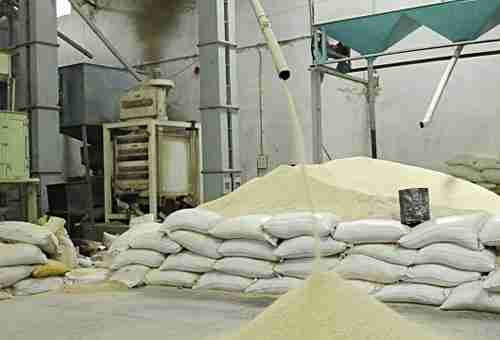
Choosing the Right Location for Your Rice Mill: Factors to Consider
Choosing the right location for your rice mill is crucial to its success. Proximity to Raw Materials should be a primary consideration; being close to rice fields ensures easy access to fresh produce, which can significantly reduce transportation costs. Additionally, Area Accessibility plays an important role; you need to ensure that your mill is easily reachable by suppliers and customers alike. A location near major highways or transportation hubs can facilitate efficient logistics and distribution. Furthermore, consider the Support Services in the area—such as maintenance providers, suppliers of parts, and skilled labor—these can greatly enhance your operational efficiency.
Another factor to evaluate is the Regulatory Environment. Each region may have different regulations regarding milling operations, waste management, and labor laws, which can affect your operational costs. It’s advisable to choose a location where local authorities are supportive of agricultural businesses, as this can lead to smoother approvals and a more favorable business climate. Additionally, consider the Market Demand in the vicinity; analyze local consumption patterns and the presence of potential clients, such as wholesalers and retailers, to ensure that your mill will be viable in meeting their needs. Lastly, Environmental Factors such as water availability and land quality should not be overlooked, as they can impact both production levels and the sustainability of your operations.
| Factor | Considerations |
|---|---|
| Proximity to Raw Materials | Access to farms for fresh rice |
| Area Accessibility | Availability of transport routes |
| Support Services | Access to maintenance and parts |
| Regulatory Environment | Local compliance and support |
| Market Demand | Potential customers and sales |
| Environmental Factors | Water availability and land quality |

Essential Machinery and Equipment for Optimal Performance
Investing in the right machinery is essential for enhancing the efficiency and productivity of your rice mill plant. Key equipment should encompass a variety of functions, from initial paddy processing to final packaging. The vital components include:
- Paddy Cleaning Machine – Ensures removal of impurities and prepares rice for milling.
- Rice Dehusker – Removes the husk from the paddy without damaging the grain.
- Rice Mill Machine – Converts brown rice to white rice through grinding and polishing.
- Sifting and Grading Machines - Sorts rice according to size and quality, ensuring uniformity.
- Packing Machine – Efficiently packages the finished product for distribution.
Each of these machines comes with varying specifications that can significantly affect the performance of your rice mill. It’s advisable to conduct thorough research to select equipment with the following key features:
| Equipment | Capacity (tons/hour) | Power Requirement (HP) |
|---|---|---|
| Paddy Cleaning Machine | 1-2 | 3-5 |
| Rice Dehusker | 2-3 | 5-7 |
| Rice Mill Machine | 2-4 | 10-15 |
| Sifting Machine | 1-2 | 2-3 |
| Packing Machine | 1-2 | 3-5 |
Understanding these specifications can help you optimize production efficiency and select the best configuration that suits your operational demands. Proper maintenance and timely upgrades of this machinery will also ensure that your rice mill plant remains competitive and meets market demands effectively.
Navigating Legal Requirements and Regulations for Rice Mill Operations
When embarking on the journey of launching a rice mill, understanding the legal landscape is paramount to ensuring smooth operations. Compliance with local, state, and federal laws can help steer your project clear of potential legal pitfalls. This includes obtaining the necessary licenses and permits, which may vary by location. Common legal requirements include:
- Business License: A fundamental requirement to operate legally.
- Environmental Permits: Depending on your location, you may need to submit environmental assessments.
- Health and Safety Regulations: Compliance with occupational health standards to protect your workers.
- Food Safety Regulations: Adhering to guidelines set forth by food safety authorities to ensure product safety.
In addition to these foundational requirements, be prepared for ongoing compliance responsibilities. Regular inspections and audits may be necessary to maintain your operational licenses, while updated regulations often require you to stay informed about any changes in the legal framework governing your industry. Developing a strong relationship with legal professionals familiar with the agricultural sector can be invaluable. Here’s a table summarizing vital legal considerations for rice mills:
| Legal Aspect | Description |
|---|---|
| Licenses and Permits | Essential documentation required for operating a rice mill. |
| Environmental Compliance | Necessary permits to operate in an environmentally friendly manner. |
| Worker Safety Regulations | Standards to ensure the safety and health of all employees. |
| Food Safety Compliance | Guidelines to maintain the health standards of rice products. |
Marketing Your Rice Products: Strategies for Success in a Competitive Market
In a market where rice is a staple food, differentiating your products is vital to stand out. Start by establishing a strong brand identity that resonates with your target audience. You can achieve this through unique packaging designs, engaging storytelling about your rice’s origin, and highlighting any sustainable practices you employ. Consider sharing the health benefits and culinary versatility of your rice, perhaps through a series of recipe cards or video content that showcase easy-to-make dishes. Bolstering your brand through social media can foster a community around your product, encouraging customer loyalty and engagement.
Implementing effective distribution strategies is equally important. Form partnerships with local grocery chains, farmers’ markets, and online platforms to widen your reach. Create promotional campaigns that attract retailers and consumers alike. Here are some tactics to consider:
- Sample Tastings: Organize tasting events that allow potential customers to experience the quality of your rice firsthand.
- Promotional Offers: Introduce discounts for first-time buyers or bulk purchasing to encourage trial and repeat sales.
- Collaborations: Partner with chefs or food bloggers who can feature your rice in their recipes and help promote it to their audiences.
Consider adding an educational component by way of workshops or webinars about rice cultivation and cooking techniques, further connecting your brand to the consumer experience. This not only builds trust but positions your rice products as the preferred choice within a competitive marketplace.
Concluding Remarks
As we draw the curtains on this comprehensive guide to launching your 2-ton rice mill plant, we hope you feel empowered and well-equipped to embark on this rewarding journey. The rice milling industry, with its rich heritage and significant role in food production, offers tremendous potential for aspiring entrepreneurs. By understanding the intricacies of operations, market dynamics, and best practices outlined in this guide, you can transform your vision into reality.
Remember, every successful venture begins with a solid plan and the willingness to adapt and grow. Whether you are stepping into the world of rice milling for the first time or looking to expand your existing operations, persistence, informed decision-making, and a keen understanding of your local market will be your best allies.
As you take each step toward establishing your plant, keep in mind the impact your endeavor can have not just on your business, but also on the communities you serve. Embrace the journey ahead, and may your 2-ton rice mill plant flourish, bringing you both success and satisfaction. Happy milling!