
In the heart of innovation and agricultural advancement lies the promise of sustainable prosperity, epitomized by the launch of the 2-Ton rice mill plant Project. This initiative unfolds against the backdrop of a burgeoning demand for efficient food processing and local economic growth, uniting cutting-edge technology with centuries-old farming traditions. As we delve into the intricate details of this project, from conception to implementation, we explore the myriad benefits it offers—from enhancing rice production efficiency to creating job opportunities in rural communities. Join us as we unveil the strategic vision behind the 2-Ton rice mill plant Project, a testament to the potential of modern agriculture to drive success and elevate livelihoods.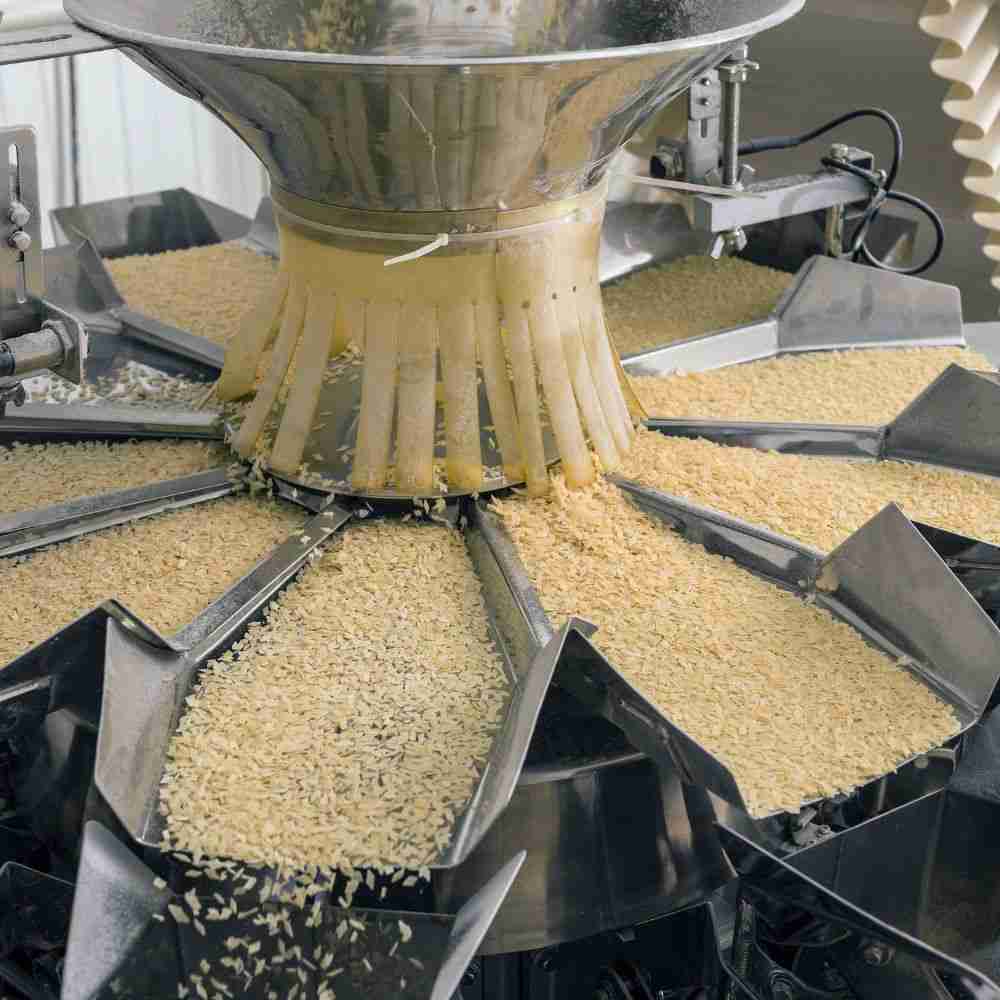
Understanding the Demand: Market Analysis for Rice Milling Operations
In the realm of agriculture, rice remains a staple food for a significant portion of the global population, which directly influences the demand dynamics for rice milling operations. Given the rising consumption levels, understanding the intricacies of market trends is crucial for the success of a new rice mill plant. Key factors driving demand include:
- Population Growth: An increasing global population, particularly in Asia and Africa, heightens the requirement for processed rice.
- Urbanization: The migration of populations to urban centers boosts the demand for packaged and ready-to-cook rice products.
- Health Trends: A shift towards healthier diets has expanded the market for specialty rice varieties, such as organic or fortified options.
Furthermore, regional markets exhibit unique characteristics that affect supply chains and pricing strategies. Conducting a thorough analysis can help identify opportunities and potential challenges. A simplified view into key regional markets is illustrated as follows:
| Region | Diversification Potential | Market Trends |
|---|---|---|
| Asia | High | Steady demand for traditional and specialty grains. |
| Africa | Moderate | Increasing urbanization leading to higher processed rice consumption. |
| Europe | Low | Preference for organic and premium quality rice products. |
Designing Efficiency: Key Features of the 2-Ton Rice Mill Plant
The 2-ton rice mill plant stands out with a well-thought-out design that optimizes space and enhances productivity. At the heart of its functionality is the modern milling technology, which ensures minimal waste and maximum yield. This innovative plant incorporates robust automation systems that reduce labor costs while maintaining high-quality output. Moreover, the layout is strategically designed to facilitate a seamless workflow, eliminating bottlenecks and ensuring that each stage of the milling process—from sorting to polishing—is efficient and effective.
Key features of the plant are designed not just for efficiency, but for sustainability as well. The high-efficiency motors consume less energy, and the dust collection system minimizes environmental impact, ensuring compliance with eco-friendly standards. Additionally, the plant is equipped with advanced monitoring systems that provide real-time data on operations, enabling quick adjustments for optimal performance. Here’s a quick overview of the core functionalities:
| Feature | Description |
|---|---|
| Milling Technology | Advanced methods for higher yield and quality. |
| Automation | Reduces labor costs and enhances consistency. |
| Energy Efficiency | Low consumption motors for sustainable operations. |
| Monitoring Systems | Real-time data for quick performance adjustments. |
Sustainability Matters: Environmental Impact and Resource Management
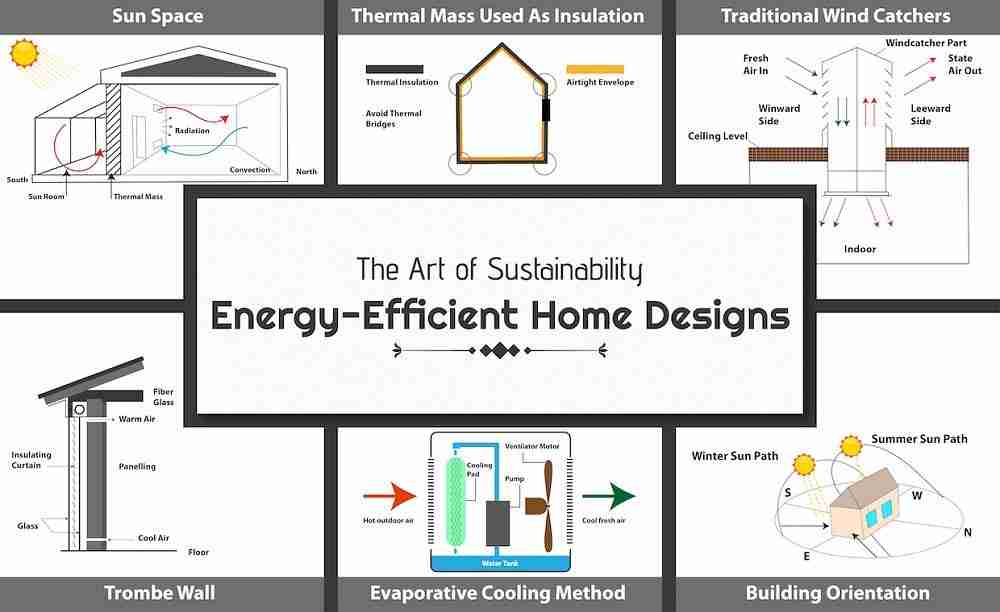
In the quest for a sustainable future, the 2-ton rice mill plant project emphasizes the importance of minimizing environmental footprints while maximizing resource efficiency. This initiative incorporates innovative technology aimed at reducing emissions and energy consumption throughout the milling process. By utilizing renewable energy sources and implementing energy-efficient machinery, the project not only guarantees high-quality rice production but also champions eco-friendly practices. The following approaches are central to this commitment:
- Water Conservation: Efficient systems designed to minimize water use during milling.
- Waste Reduction: Strategies to recycle byproducts, transforming waste into valuable resources.
- Sustainable Sourcing: Partnering with local farmers who employ organic growing methods.
Resource management is integral to operations, ensuring that materials are utilized judiciously and with minimal waste. The project plans to monitor its ecological impact through comprehensive assessments and regular reporting. Key metrics will include energy consumption, waste output, and the sources of materials used. The following table summarizes the main objectives and their respective measures:
| Objective | Measure |
|---|---|
| Energy Efficiency | Reduce energy consumption by 20% |
| Waste Management | Achieve a 50% reduction in waste generated |
| Water Usage | Lower water usage by 30% |
Through these strategies and metrics, the project aligns its operational goals with sustainable practices, showcasing a commitment to both economic viability and environmental stewardship in the agricultural sector.
Building the Future: Strategic Recommendations for Successful Implementation
To ensure the long-term viability and success of the 2-ton rice mill plant project, stakeholders must focus on a series of strategic initiatives. First and foremost, conducting thorough market research to understand local demand dynamics will be crucial in determining production schedules and sales strategies. Optimizing supply chain logistics will not only reduce costs but also enhance product freshness in the market. The implementation of sustainable practices should also be emphasized, such as utilizing energy-efficient machinery and managing waste effectively. Several key factors that can guide this initiative include:
- Engagement with local farmers: Collaborating to secure quality rice supplies.
- Training programs: Educating staff on efficient operations and maintenance.
- Community involvement: Fostering goodwill and brand loyalty through local outreach.
Furthermore, establishing a robust financial plan is imperative for navigating the cost implications associated with the launch and operation of the mill. Prioritizing investment in technology can streamline processes from milling to packaging, ultimately improving product quality. A proposed budget allocation for various aspects of the project could look like this:
| Budget Category | Estimated Cost |
|---|---|
| Equipment Purchase | $150,000 |
| Infrastructure Development | $100,000 |
| Operational Expenses | $50,000 |
| Marketing & Community Outreach | $30,000 |
This structured approach ensures that the venture not only launches smoothly but also achieves sustainable growth, with room to adapt to future market trends.
The Way Forward
As we conclude our exploration of the ”2-Ton rice mill plant Project,” it’s clear that this venture is not just about machinery and production; it embodies the hopes and aspirations of a community striving for agricultural advancement and economic resilience. From the meticulous planning stages to the innovative technologies that will drive efficiency, every aspect of this project reflects a commitment to success and sustainability.
The rice mill plant stands as a beacon of opportunity, promising to transform not only the grains harvested but also the livelihoods of those involved. As we look ahead, the journey of this initiative is just beginning. With careful execution and ongoing support, this project has the potential to yield not only rice but also prosperity for the region.
the true measure of success will be seen in the stories of the farmers and workers whose lives will be enriched by this endeavor. By cultivating more than just crops, we are nurturing a future filled with promise and progress. Let us all look forward to the forthcoming milestones and the impact that the 2-Ton rice mill plant will undoubtedly bring to fruition.




