
Launching a 2-Ton Rice Mill Plant: A Comprehensive Guide
The aroma of freshly milled rice wafts through the air, a testament to the hard work and dedication that goes into transforming paddy fields into pantry staples. In today’s world, where the demand for quality food products is ever-growing, the rice milling industry presents a remarkable opportunity for entrepreneurs and agriculturalists alike. But the journey from concept to operation is not without its complexities. This comprehensive guide aims to illuminate the multifaceted process of launching a 2-ton rice mill plant—from understanding the nuances of rice milling technology and securing the right machinery, to navigating regulatory requirements and developing a sustainable supply chain. Whether you are an aspiring business owner or an established player looking to expand, join us as we delve into the essential steps that will turn your rice mill vision into a thriving reality.
Site Selection and Infrastructure Needs for a 2-Ton Rice Mill Plant
Choosing the right location for a rice mill plant is a pivotal step in ensuring operational efficiency and market accessibility. Factors such as proximity to rice supply sources, transportation infrastructure, and market demand play critical roles in site selection. An ideal site should be:
- Close to Rice Supply: Ensure the site is near rice-growing regions to reduce transportation costs.
- Accessibility: Look for locations with robust road access and logistical support for easy transportation of raw materials and finished products.
- Utility Availability: A consistent supply of water and electricity is essential for milling operations.
- Market Proximity: Collaborating with local distributors and retailers can dramatically improve market reach.
Infrastructure needs for a 2-ton rice mill plant extend beyond location to include essential services and facilities. A comprehensive assessment of the site’s infrastructure will contribute to the plant’s overall effectiveness. Key infrastructure requirements include:
| Infrastructure Component | Description |
|---|---|
| Power Supply | Reliable electricity to operate milling machinery and lighting. |
| Water Supply | Adequate water for cleaning, processing, and equipment maintenance. |
| Storage Facilities | Secure space for raw rice and finished products to prevent spoilage. |
| Waste Disposal | Facilities for handling rice husk and other by-products responsibly. |
By carefully evaluating these site selection criteria and infrastructure needs, you can lay a strong foundation for a successful rice milling plant that meets both production and market demands efficiently.

Essential Equipment and Technology for Efficient Rice Milling
To achieve optimal efficiency in your rice milling operation, investing in the right equipment and technology is paramount. Essential machinery includes paddy separators for high-precision grain sorting, dehusking machines that ensure maximum yield, and whitener units designed to enhance the quality of rice while minimizing breakage. Other critical components comprise sieving machines, which are vital for removing impurities, and packaging machines that automate the final steps of the rice processing journey, ensuring a professional finish for your product.
In addition to the physical machines, embracing modern technology can significantly streamline operations. Consider integrating automated monitoring systems that provide real-time data on moisture levels and production efficiency, which can be pivotal for troubleshooting and optimizing performance. Employing software solutions for inventory management and scheduling can also bring substantial improvements, allowing you to allocate resources effectively and respond swiftly to market demand. Together, these tools create a seamless operation that promotes both productivity and profitability.
Navigating Regulatory Compliance and Funding Opportunities
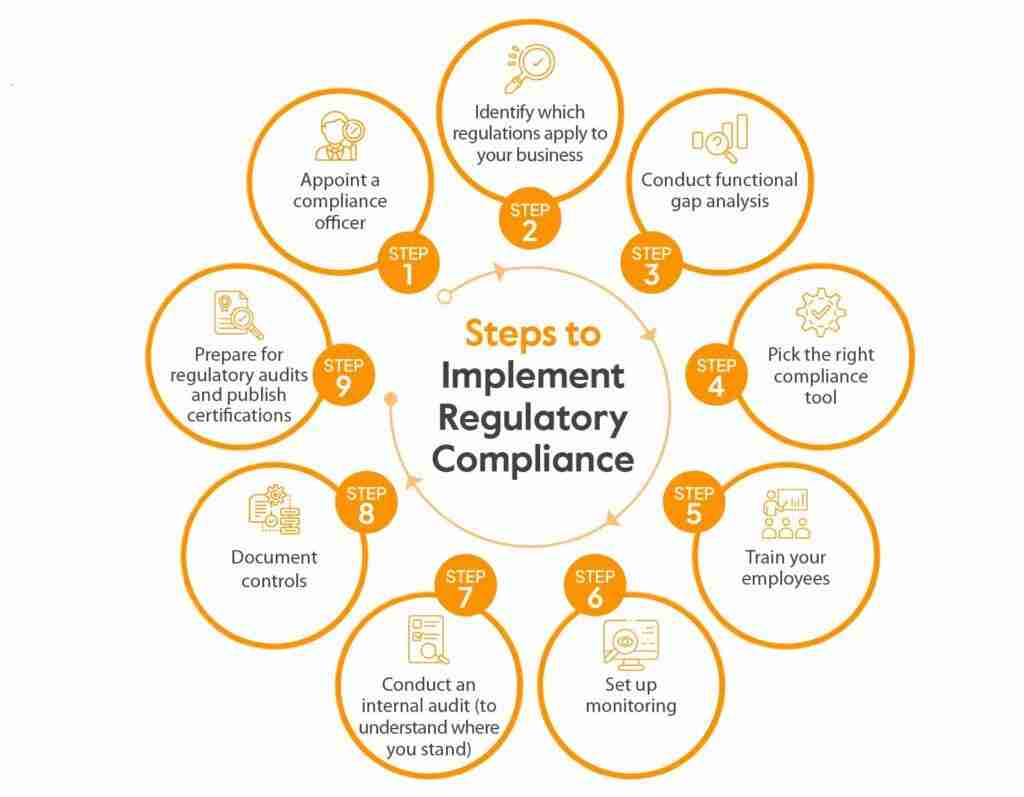
Embarking on the journey of establishing a rice mill plant entails navigating a complex landscape of regulations and compliance mandates. It is essential to familiarize yourself with local, state, and federal regulations that govern the agricultural and manufacturing sectors. Key areas of focus include:
- Health and Safety Standards: Meet OSHA and food safety guidelines to ensure the wellbeing of employees and the quality of your products.
- Environmental Regulations: Comply with local environmental laws regarding waste disposal, emissions, and water usage, as sustainability is paramount in today’s agricultural practices.
- Business Licenses: Obtain the necessary permits and licenses to operate legally within your jurisdiction.
Funding your rice mill plant can significantly influence the success of your venture, providing essential capital for equipment, infrastructure, and operational costs. Exploring various funding avenues can provide insights and opportunities, such as:
- Government Grants: Investigate agricultural grants available to support new businesses in the agro-processing sector.
- Small Business Loans: Consider loans offered by banks or microfinance institutions that often specialize in aiding agricultural enterprises.
- Investment Partnerships: Seek partnerships or investors interested in the agricultural sector, who can provide both capital and valuable expertise.
| Funding Option | Description | Eligibility Criteria |
|---|---|---|
| Government Grants | Financial aid that does not require repayment. | Must meet specific agricultural innovation criteria. |
| Small Business Loans | Loans that need to be repaid with interest. | Generally requires a sound business plan and credit history. |
| Investment Partnerships | Funds provided by investors in exchange for equity. | Firm business model and market potential are crucial. |
Establishing Supply Chains and Market Strategies for Success
Building a robust supply chain is crucial for the success of your rice mill plant. First, identify reliable suppliers who can provide quality paddy rice consistently. Consider factors such as location, pricing, and delivery schedules to ensure minimal disruption. Establish contracts that outline terms including quantity and quality standards to foster long-term relationships. It’s equally important to maintain a diverse supplier base to mitigate risks of supply interruptions due to seasonal variations or market demand fluctuations. Furthermore, integrating modern technology like real-time inventory management systems can streamline operations and enhance efficiency.
Your market strategy should be equally comprehensive, focusing on both product quality and customer engagement. Conduct thorough market research to understand the needs of your target audience, whether they are local retailers or larger food processors. Tailor your products and branding to resonate with your customers by emphasizing features such as organic certification or local sourcing. Building partnerships with distributors and retailers not only expands your reach but also enhances brand credibility. Regularly assess market trends, adapt to consumer preferences, and maintain an active online presence through social media and e-commerce platforms to capture a wider audience.
In Retrospect
As we conclude our journey through the intricate process of launching a 2-ton rice mill plant, we hope this guide has equipped you with the essential insights and knowledge needed to turn your vision into a thriving reality. The road to establishing a successful rice milling operation may seem daunting at first, filled with technical challenges and logistical hurdles. However, armed with the right information and a steadfast determination, you’re now poised to navigate this landscape with confidence.
Remember, the heart of your rice mill lies not just in the machinery, but in the people, the community, and the sustainable practices that will define your business. As you embark on this venture, consider the broader impact of your operations—from crop sourcing to marketing—and how they can contribute to local economies and food security.
As you take the next steps, whether it’s finalizing your business plan, securing financing, or setting up operations, keep in mind the importance of adaptability and continuous learning. The rice milling industry is dynamic and ever-evolving, and your ability to innovate will be key to your longevity in the market.
Thank you for taking the time to explore this comprehensive guide. We wish you the best of luck in your endeavor, and may your rice mill plant flourish, bringing not only prosperity to your business but also nourishing meals to countless families.




