
In the vast tapestry of global agriculture, few threads are woven as intricately as that of rice cultivation. Often dubbed the “grain of life,” rice nourishes more than half of the world’s population, making its journey from seed to table a vital narrative of sustenance and survival. At the heart of this journey lies the rice mill plant—a marvel of engineering and a bustling hub of activity. Here, grains are transformed from their rough, unpolished form into the white, glistening rice that fills countless bowls around the globe. In this exploration, we will delve into the inner workings of rice mill plants, uncovering the processes that refine not only the grain but also the livelihoods they support. From the rhythmic hum of machinery to the careful hands that oversee quality control, the rice mill plant stands as a testament to human ingenuity and the enduring significance of agriculture in our lives. Join us as we embark on a journey to understand the pivotal role of rice mill plants in the world of agriculture and the intricate story they tell.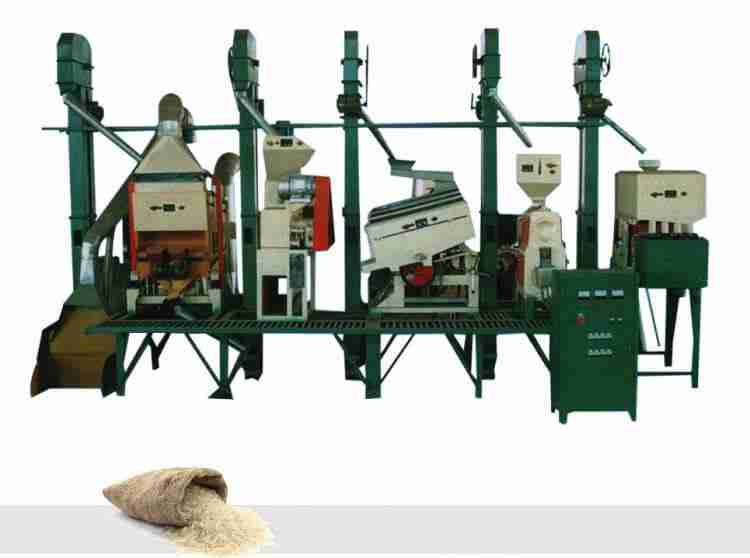
Understanding the Crucial Role of Rice Mill Plants in Global Food Security
Rice mill plants serve as the linchpin in the intricate web of global food security, playing a vital role at the juncture where agricultural production meets consumer needs. These facilities are indispensable for transforming raw, unprocessed rice into the polished grains that grace dining tables worldwide. By employing modern milling technologies, rice mill plants not only enhance the quality and shelf-life of rice but also minimize post-harvest losses, which is crucial in feeding the burgeoning global population. The efficiency of these plants lies in their ability to maximize yield through processes that include husking, polishing, and sorting, ensuring that high standards are maintained throughout.
The operational efficacy of rice mill plants directly impacts several facets of food security, including availability, accessibility, and affordability. A well-structured rice milling process leads to increased market supply, which, in turn, stabilizes prices and makes essential food items more affordable for consumers. Moreover, these plants contribute significantly to local economies by providing employment opportunities and supporting farmers through fair purchasing practices. As rice remains a staple food for nearly half of the world’s population, the sustainability and technological advancement of rice mill plants will undoubtedly be pivotal in navigating future challenges associated with food production and distribution.
| Key Roles of Rice Mill Plants | Impact on Food Security |
|---|---|
| Efficient Milling Processes | Reduces waste and improves grain quality |
| Job Creation | Boosts local economies and livelihoods |
| Price Stabilization | Makes rice more accessible for consumers |
| Technological Innovation | Enhances production capabilities |
Innovative Technologies Revolutionizing Rice Milling Efficiency
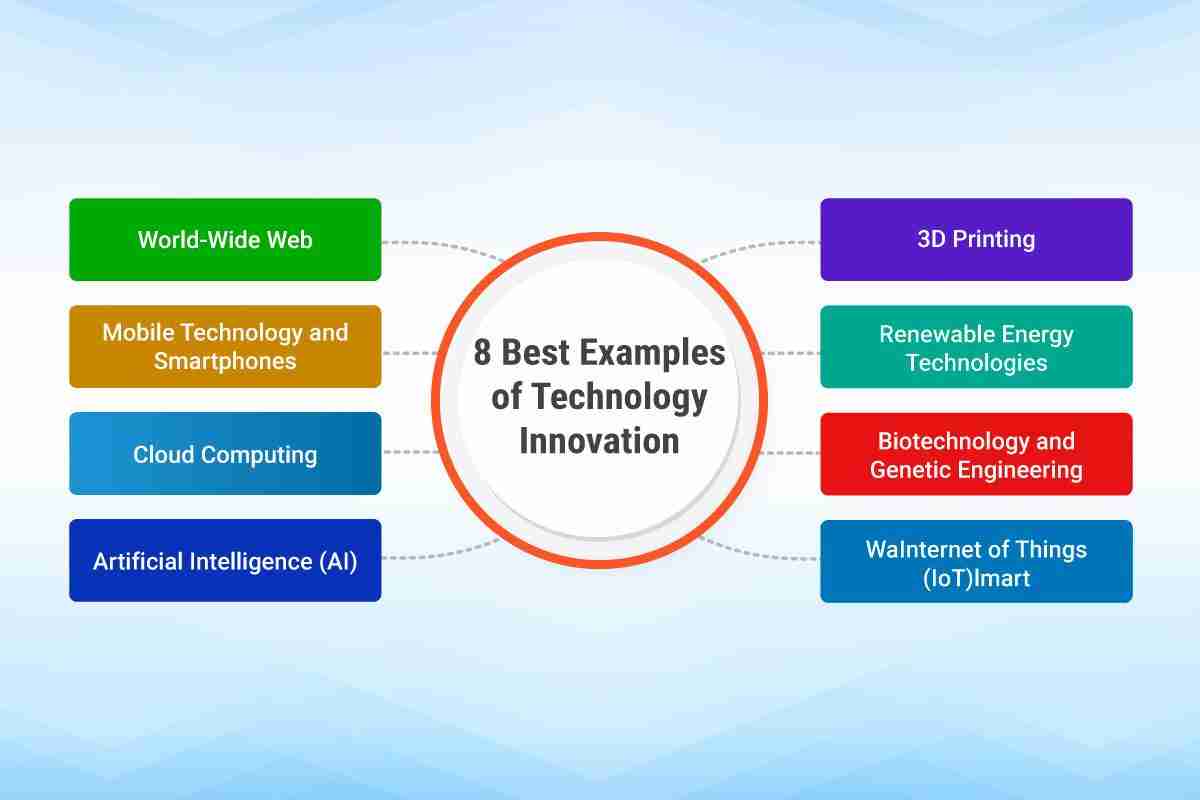
Advancements in technology have dramatically transformed traditional rice milling operations into highly efficient systems that maximize output while minimizing waste. The integration of smart sensors and IoT devices into milling machinery provides real-time monitoring of moisture levels and grain quality. This not only ensures optimal milling conditions but also allows for predictive maintenance, significantly reducing downtime and repair costs. Additionally, the implementation of automation and robotics streamlines labor-intensive processes, enabling mills to operate with greater precision and speed, thus enhancing overall productivity.
Furthermore, energy efficiency has become a paramount focus in modern rice milling technology. Renewable energy sources, such as solar power and biomass, are being harnessed to power milling operations, reducing dependency on conventional energy grids. This shift not only lowers operational costs but also supports environmentally sustainable practices in agriculture. Other innovations, like water recycling systems, are gaining traction as they allow for the reuse of water used in the milling process, contributing to a more sustainable cycle. These technological advancements are redefining the landscape of rice milling and setting the stage for future developments in agricultural efficiency.
Sustainable Practices for Enhancing Production and Environmental Stewardship
In the journey toward enhancing production, rice mill plants have started implementing sustainable practices that not only boost their operational efficiency but also nurture the surrounding environment. By integrating methods like crop rotation and cover cropping, rice farmers are able to enrich soil fertility naturally, reducing dependence on synthetic fertilizers. These techniques help maintain a vibrant ecosystem, fostering beneficial organisms that contribute to pest control and nutrient cycling. Moreover, adopting water-saving technologies has emerged as a cornerstone of sustainable rice milling, allowing for the meticulous management of water resources, which is essential in regions facing drought or water scarcity.
Another significant approach involves the utilization of renewable energy sources within rice processing facilities. By transitioning to solar or biogas energies, mills can significantly reduce their carbon footprint, making production processes more environmentally friendly. Practices such as recycling mill by-products into organic fertilizers or bioenergy not only minimize waste but also create a circular economy within the agricultural sector. Collaborative efforts with local farmers to implement these practices can lead to the formation of resilient agricultural communities that prioritize both productivity and environmental stewardship. The commitment to sustainability in rice milling ultimately paves the way for a greener future while ensuring food security for generations to come.
Navigating Challenges and Opportunities in the Modern Rice Milling Industry
The rice milling industry stands at a crossroads, grappling with a myriad of challenges while simultaneously unearthing new opportunities. In an era where sustainability and efficiency reign supreme, rice mill operators are re-evaluating traditional practices. Modern technology has brought about the automation of many processes, from paddy sorting to milling, which not only enhances productivity but also reduces waste. However, the challenge remains in integrating these systems effectively, as the investment costs can be significant for smallholder farmers and mill owners. The need for continuous training and support in this tech-driven transformation is paramount to ensuring that no one is left behind in this progress.
Despite the obstacles, the opportunities are equally compelling. The demand for high-quality rice is on the rise globally, and consumers are becoming more conscious of where their food comes from. This opens doors for rice mill plants to not only improve their processing techniques but also strengthen their branding strategies. By emphasizing quality, traceability, and sustainable practices, these mills can differentiate themselves in a crowded market. Furthermore, the advent of online platforms allows rice millers to connect directly with consumers, thus eliminating middlemen and increasing profitability. In this complex landscape, those who innovate and adapt will be well-positioned to thrive as leaders in the agriculture sector.
Key Takeaways
As we conclude our journey through the intricate world of rice mill plants, it’s clear that these facilities are more than just machines and processes; they are the heartbeats of our agricultural landscape. Here, the humble grain undergoes a transformative journey—from field to meal—embodying the hard work and dedication of countless individuals.
Within these walls, tradition harmoniously intertwines with innovation, reflecting the rich history and promising future of rice production. As we explore new technologies and sustainable practices, we are reminded that the rice mill is not just a vital component of food supply; it is a symbol of resilience and adaptation in an ever-changing world.
So, whether you are a farmer, a consumer, or simply a curious observer, take a moment to appreciate the stories woven into every grain of rice. After all, understanding the pulse of agriculture encourages us to cherish the roots of our sustenance and fosters a deeper connection with the land that nurtures us. Thank you for joining us on this exploration, and may you continue to discover the stories behind the food that graces your table.




