
In an era where sustainability and innovation intertwine, the agricultural sector is witnessing a transformative wave of projects designed to enhance productivity while minimizing environmental impact. One such initiative is the 2 Ton rice mill plant Project, a venture that embodies the principles of sustainable development through modern technology and thoughtful design. As we delve into the intricacies of this project, we will explore its potential to revolutionize rice milling processes, support local farmers, and promote eco-friendly practices. Join us on this journey as we uncover how a seemingly small-scale operation can make significant strides towards ensuring food security and fostering resilience in rural communities, all while championing responsible resource management.
Unveiling the Components of a 2 Ton Rice Mill Plant
The heart of any successful rice mill plant lies in its intricate assembly of components, each serving a pivotal role in the production process. At the core of the 2-ton rice mill plant is the paddy separator, which efficiently sorts unhulled rice from the desired grains. Following this is the rice husker, designed to remove the husk from the paddy, transforming it into brown rice. After husking, the brown rice moves to the whitener, where it undergoes meticulous polishing, ensuring a pristine finish. the grading machine classifies the rice into various sizes, allowing for consistent quality and market readiness.
In designing a sustainable rice mill, key components are selected not only for their efficiency but also for their environmental impact. The energy-efficient motors and the recycling system play a crucial role in minimizing waste. Additionally, the inclusion of de-stoners enhances food safety by eliminating stones and impurities, thus prioritizing quality along with sustainability. To illustrate these components and their importance, here’s a simple overview:
| Component | Function |
|---|---|
| Paddy Separator | Sorts unhulled rice from paddy |
| Rice Husker | Removes husk from paddy |
| Whitener | Polishes brown rice to white rice |
| Grading Machine | Classifies rice into uniform sizes |
| Energy-efficient Motors | Reduces electricity consumption |
| Recycling System | Minimizes waste and promotes sustainability |
Assessing the Environmental Impact of Rice Milling Practices
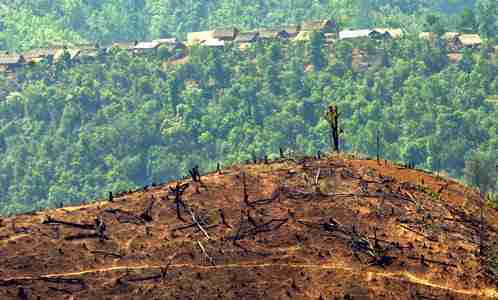
Modern rice milling practices can significantly influence both local ecosystems and broader environmental conditions. To accurately evaluate this impact, it’s essential to examine various factors throughout the milling process. A few key considerations include:
- Water usage: Milling requires substantial amounts of water, which can strain local water supplies if not managed sustainably.
- Waste generation: The byproducts of rice milling, particularly husks and bran, must be handled properly to prevent land degradation.
- Energy consumption: Traditional milling methods often rely on fossil fuels, contributing to greenhouse gas emissions.
Adopting eco-friendly practices can mitigate these concerns. For instance, many mills are exploring alternative energy sources, such as bioenergy derived from rice husks. Furthermore, implementing closed-loop water systems can reduce waste. Below is a comparison table of conventional versus sustainable rice milling practices:
| Aspect | Conventional Practices | Sustainable Practices |
|---|---|---|
| Water Usage | High | Reduced through recycling |
| Energy Source | Fossil Fuels | Renewable Energy |
| Waste Management | Landfill | Utilization in bioenergy |
By adopting sustainable practices in rice milling, not only can businesses thrive, but they can also contribute positively to the environment, ensuring that rice production remains viable for future generations. This approach encourages a harmonious relationship between agricultural practices and environmental stewardship.
Optimizing Processes for Efficiency and Sustainability
In the journey towards an environmentally conscious future, the implementation of efficient practices in rice milling is essential. By embracing cutting-edge technologies and sustainable methods, the 2 Ton rice mill plant project aims to harmonize productivity with ecological responsibility. Key strategies include:
- Energy Efficiency: Using solar panels to minimize reliance on traditional energy sources.
- Water Management: Implementing a closed-loop water system to recycle and conserve water during the milling process.
- Waste Reduction: Converting rice husks and bran into biofuel or animal feed, effectively reducing waste output.
Central to these enhancements is the integration of innovative machinery that not only increases throughput but also adheres to sustainability protocols. For instance, the adoption of high-efficiency milling equipment contributes to a notable reduction in energy consumption. In addition, regular training sessions for operators ensure that best practices are followed consistently. The investment in regular maintenance also plays a crucial role in sustaining efficiency levels. Below is a snapshot of some of the operational efficiencies targeted in the project:
| Efficiency Area | Current Metric | Target Metric |
|---|---|---|
| Energy Use (kWh/ton) | 100 | 70 |
| Water Use (liters/ton) | 300 | 150 |
| Waste Output (%) | 15 | 5 |
Strategic Recommendations for Successful Project Implementation
For the successful execution of the 2 Ton rice mill plant project, it is crucial to establish a structured approach that aligns with both industry standards and local practices. Key elements to consider include:
- Stakeholder Engagement: Involve all relevant stakeholders early in the planning process to ensure their needs and expectations are addressed. This includes local farmers, suppliers, and government authorities.
- Resource Allocation: Carefully budget not only for initial investment but also for operational costs, maintenance, and unforeseen challenges that may arise during implementation.
- Sustainable Practices: Incorporate eco-friendly technologies and practices, such as energy-efficient machinery and waste minimization strategies, to enhance sustainability and reduce environmental impact.
- Training and Development: Provide comprehensive training for staff on both operational and technical aspects to ensure smooth daily operations and maintenance.
Additionally, establishing clear timelines and performance metrics will assist in monitoring progress and effectiveness. To facilitate this, consider implementing a project management framework that includes:
| Phase | Duration | Key Activities |
|---|---|---|
| Planning | 1-2 Months | Market Research, Design Phase |
| Construction | 3-6 Months | Setup of Equipment, Facility Construction |
| Operations | Ongoing | Production, Quality Control |
In Retrospect
As we conclude our exploration of the 2 Ton Rice Mill Plant Project, it’s evident that this venture transcends mere agriculture; it embodies a commitment to sustainability, community empowerment, and innovation. By harmonizing traditional practices with modern technology, this project not only aims to increase rice production efficiency but also aims to minimize environmental impacts and foster local economies.
The ripple effects of this initiative can be profound, potentially transforming the rice industry while serving as a model for other sustainable agricultural projects worldwide. In an era where sustainability is not just a choice but a necessity, the 2 Ton rice mill plant stands as a symbol of hope, demonstrating how thoughtful innovation can lead to a greener future.
As we continue to navigate the complexities of food security and environmental stewardship, let us draw inspiration from such ventures. The possibilities are endless when we dare to explore new paths—together. Thank you for joining us on this journey into the heart of sustainability.




