
Empowering Agriculture: The Rise of Automatic Rice Mill Plants
In an era defined by rapid technological advancements and sustainable practices, the agricultural sector stands on the brink of a transformation, one that promises to enhance productivity and efficiency like never before. At the heart of this revolution lies a remarkable innovation: automatic rice mill plants. These sophisticated facilities are not merely machines; they symbolize a shift towards smarter farming practices that could reshape the landscape of rice production. As global demand for rice continues to surge, the integration of automation in milling processes offers a remarkable solution that empowers farmers, boosts economies, and addresses food security challenges. In this article, we delve into the intricacies of automatic rice mill plants, exploring their benefits, challenges, and the critical role they play in modernizing agriculture. Join us as we uncover how this rise in automation is not just a trend, but a vital evolution in the quest for sustainable agricultural practices.
Transforming Rural Economies through Automated Rice Milling Technologies
The introduction of automated rice milling technologies is set to revolutionize the agricultural landscape in rural areas, offering a beacon of hope for local economies. With the shift towards automation, rice farmers can now enjoy significant improvements in efficiency and productivity. The benefits of these advanced systems include:
- Increased yield rates through precise milling processes.
- Reduced labor costs, allowing farmers to redirect resources towards enhancing crop quality.
- Improved post-harvest handling that minimizes grain loss.
Furthermore, the automation of rice mills contributes to the sustainability of farming practices. By optimizing energy consumption and enhancing the quality of rice produced, these technologies make a strong case for eco-friendly agriculture. Key factors driving these transformations include:
| Factor | Impact on Rural Economies |
|---|---|
| Job Creation | New employment opportunities in tech and maintenance sectors. |
| Income Stability | Consistent output leading to reliable income for farmers. |
| Market Access | Better quality rice attracting larger buyers and markets. |

Enhancing Efficiency and Sustainability in Rice Production
As the global demand for rice continues to soar, traditional milling processes face challenges in both efficiency and ecological impact. The integration of automatic rice mill plants is revolutionizing the way rice is processed, providing farmers with innovative tools to maximize their productivity while minimizing waste. These advanced systems utilize cutting-edge technology to streamline operations, reducing the time and labor required for milling. Key features include:
- Automated Feeding Systems: Ensures a consistent and timely input of raw rice.
- Energy-Efficient Machinery: Significantly lowers energy consumption compared to older methods.
- Quality Control Sensors: Monitors texture and moisture levels, enhancing the overall quality of the final product.
In addition to efficiency, these state-of-the-art plants prioritize sustainability, fostering a more environmentally friendly approach to rice production. By decreasing waste and conserving resources, they contribute to a more sustainable agricultural ecosystem. The use of by-products such as rice husks for renewable energy generation highlights the potential for a circular economy within the industry. The benefits extend to the community as well, with less pollution and improved economic viability for farmers. Below is a comparison of traditional vs. automatic rice milling processes:
| Aspect | Traditional Milling | Automatic Milling |
|---|---|---|
| Labor Intensity | High | Low |
| Energy Consumption | High | Optimized |
| Product Quality | Inconsistent | Consistent |
| Waste Generation | High | Minimal |
Navigating Investment Opportunities in Automatic Rice Mill Plants
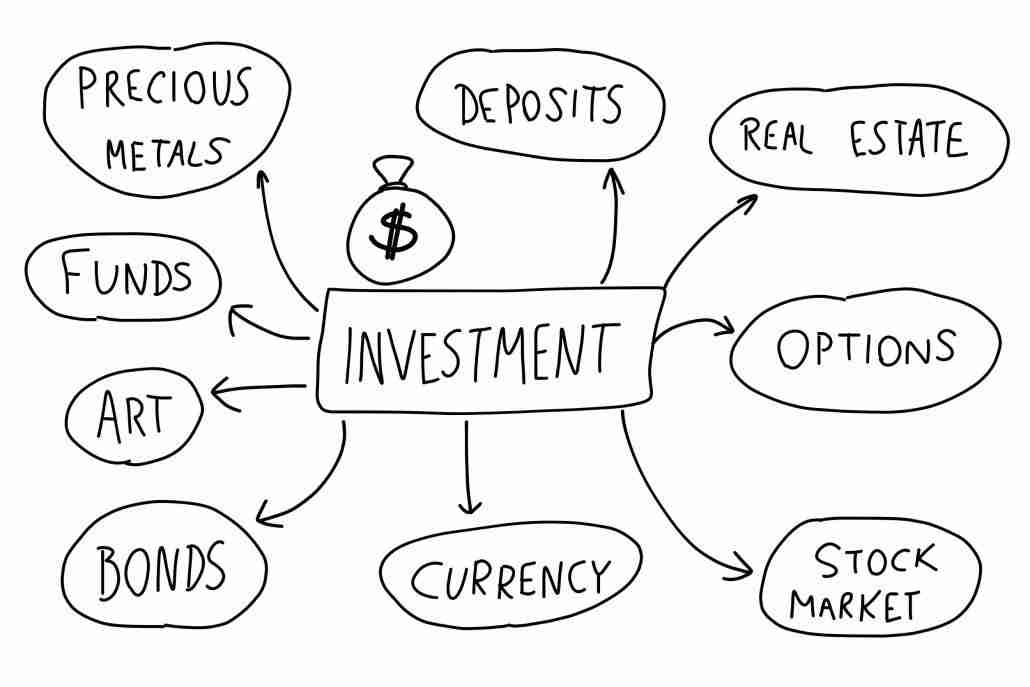
Investing in automatic rice mill plants presents a unique opportunity for those looking to empower the agricultural sector while tapping into a growing market. The technology behind these plants not only increases efficiency but also enhances grain quality and reduces labor costs. As global demand for rice continues to rise, stakeholders can benefit by considering various factors before diving in. Key aspects to look into include:
- Market Demand: Understand regional consumption patterns and export opportunities.
- Technology Upgrades: Evaluate the latest innovations that can improve operational efficiency.
- Financial Investment: Assess the initial capital required and potential ROI.
- Regulatory Compliance: Stay informed on agricultural regulations and industry standards.
Furthermore, it’s imperative to analyze the competitive landscape. New entrants face both challenges and opportunities as established players may dominate the market yet also provide insights on best practices. A focused approach could yield profitable outcomes, especially when considering collaborations or partnerships. Below is a simple SWOT analysis of investing in automatic rice mill plants:
| Strengths | Weaknesses |
|---|---|
| High efficiency in processing | Initial capital investment can be high |
| Ability to produce high-quality rice | Technology maintenance and upgrades |
| Opportunities | Threats |
| Increasing global rice demand | Competition from traditional mills |
| Government subsidies for modern machinery | Economic fluctuations affecting price |
Fostering Innovation: The Role of Technology in Modern Agriculture
The integration of advanced technology in agriculture is transforming traditional practices into efficient, high-output operations. Automatic rice mill plants serve as a prime example, showcasing how innovation can streamline processes and enhance productivity. These plants utilize state-of-the-art machinery that significantly reduces manual labor while increasing the capacity for processing rice. By employing mechanisms such as pneumatic conveying systems and automated milling equipment, farmers can achieve higher extraction rates and superior grain quality with minimal waste. This transformation not only improves the economics of rice production but also supports sustainability by optimizing resource usage.
Moreover, automatic rice mill plants contribute to improving the livelihoods of farmers and enhancing the supply chain’s overall effectiveness. By harnessing data analytics and IoT technology, these facilities can monitor their operations in real-time, allowing for quick adjustments to production parameters. This proactive approach generates insights into production trends, leading to better forecasting and inventory management. Consider the following table that illustrates some key benefits of adopting automatic rice milling technology:
| Benefits | Impact |
|---|---|
| Efficiency | Increased output with reduced processing time |
| Quality Control | Consistent grain quality through precision milling |
| Sustainability | Reduced wastage through optimized processing techniques |
By embracing these technological advancements, stakeholders across the agricultural sector can cultivate an environment of growth and sustainability, positioning themselves for future challenges. The potential of automatic rice mill plants highlights just how pivotal technology has become in reshaping the landscape of modern agriculture.
Wrapping Up
the rise of automatic rice mill plants symbolizes a pivotal shift in agriculture, highlighting the marriage of tradition and technology. As these innovative systems streamline the milling process, they not only enhance efficiency but also empower farmers by optimizing production and minimizing losses. The transition towards automation is not merely a trend; it is a testament to the resilience and adaptability of the agricultural sector in navigating the complex demands of modern society.
As we look to the future, investing in these technologies will be crucial for sustainable growth, food security, and uplifting the livelihoods of countless farmers across the globe. Embracing automatic rice mill plants is not just about mechanization; it is about reimagining the future of agriculture—one that is productive, resilient, and inclusive. In this journey, every stakeholder in the agricultural ecosystem has a vital role to play, ensuring that the path we forge leads to a bountiful harvest for generations to come.




