
Unveiling the Secrets of the Rice Polisher: A Grain’s Journey
In the world of culinary delights, few staples hold a place as revered as rice. A humble grain, it serves as the heart of countless meals, bridging cultures and traditions across continents. Yet, behind the simple act of cooking rice lies an intricate process that transforms this unassuming grain into the fragrant, fluffy base of our favorite dishes. At the heart of this transformation is the rice polisher, a machine that plays a pivotal role in enhancing the grain’s appearance, flavor, and nutritional value. This article embarks on a fascinating exploration of the rice polisher’s journey—unraveling the secrets of how it elevates rice from its rough, unrefined state to the polished perfection we cherish on our plates. Join us as we delve into the mechanics, cultural significance, and the artistry behind this essential yet often overlooked component of rice production, revealing the vital role it plays in the culinary world and beyond.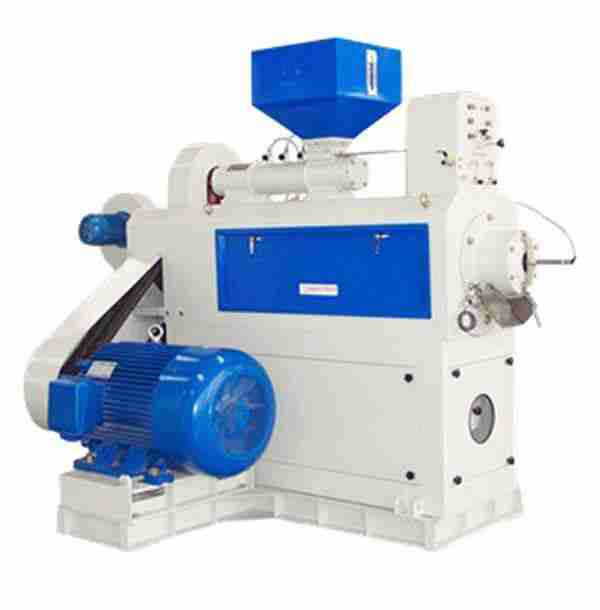
Understanding the Role of the Rice Polisher in Grain Quality
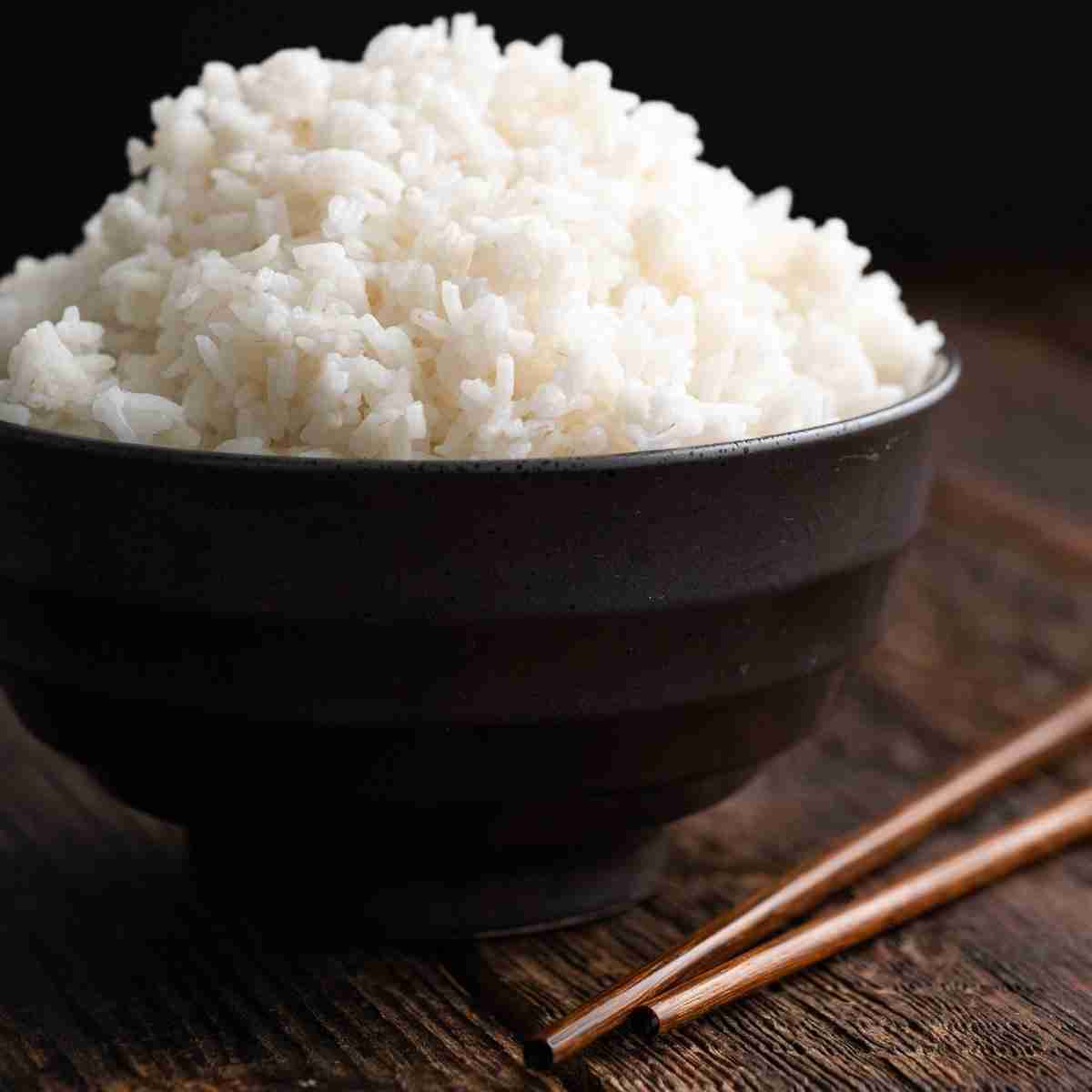
The rice polisher serves as a crucial player in the field of grain processing, enhancing both the aesthetics and quality of rice. This intricate machine operates by removing the outer bran layer and polishing the grains, imparting a glossy finish that many consumers associate with premium rice varieties. The significance of this process goes beyond mere appearance; it ultimately affects the taste, texture, and cooking qualities of the rice. A well-polished grain should feel lighter, cook evenly, and yield a fluffier texture, making it a staple in kitchens around the world.
While the polishing process offers numerous advantages, it also poses certain challenges that must be managed to maintain grain quality. An effective polisher requires precise control over variables such as speed and pressure, ensuring that the grains are polished without compromising their integrity. Additionally, the balance of moisture content plays a vital role; overly dry rice may become brittle, while excess moisture can lead to clumping. Below is a brief overview of the benefits and considerations of the polishing process:
| Benefits | Considerations |
|---|---|
|
|
Exploring the Evolution of Rice Polishing Techniques
Throughout history, rice polishing techniques have undergone a remarkable transformation, combining ancient traditions with modern technology. Early methods relied on simple tools—stone mortars and pestles to gently remove the husk and bran layers. Craftsmen understood the delicate balance needed to maintain the kernel’s integrity while achieving a refined texture. As time passed, the evolution of these techniques introduced innovation, leading to the advent of mechanized polishing machinery in the late 19th century. These machines revolutionized the process, offering greater efficiency and consistency. The shift not only catered to increasing demand but also elevated the culinary experience with more visually appealing grains.
In contemporary rice milling, the choice of polishing technique can significantly influence the end product. Millers today utilize a variety of advanced equipment designed to minimize nutrient loss while enhancing flavor and aroma. Key methods include:
- Wet Polishing: Utilizes water to aid in the polishing process, resulting in a higher yield and a polished sheen.
- Dry Polishing: Employs high-speed rotors that reduce the need for moisture, creating a different texture suitable for specific recipes.
- Optical Sorting: Incorporates technology to sort and remove impurities, ensuring only the highest quality grains proceed for packaging.
To understand how these techniques impact rice’s final qualities, consider the differences in nutritional value and taste that arise from various polishing approaches:
| Polishing Method | Nutritional Impact | Flavor Profile |
|---|---|---|
| Wet Polishing | Retains more vitamins and minerals | Subtle and soft |
| Dry Polishing | May reduce embedded nutrients | More pronounced and nutty |
| Optical Sorting | Improved quality control | Consistent and balanced |
As rice continues to be a staple across cultures, the intricacies of polishing techniques highlight the artistry behind this humble grain. From traditional methods to cutting-edge technology, each evolution tells a story of innovation while respecting the age-old craft of rice milling.

Maximizing Nutritional Value Through Effective Polishing Methods
To truly realize the potential of rice as a staple in our diet, it is crucial to understand the intricacies involved in its polishing process. Traditional milling methods often strip away nutrients, but modern polishing techniques aim to balance aesthetics and nutritional integrity. By employing gentler abrasives and optimized milling speeds, today’s rice polishers can effectively remove only the outer bran layer. This precision helps to preserve essential vitamins and minerals, such as B vitamins, iron, and antioxidants, ensuring a healthier grain without compromising on texture or flavor.
Moreover, the choice of polishing method can significantly impact the overall quality of rice. Among the various techniques, water polishing is gaining traction as it minimizes the loss of nutrients while giving the grains a lustrous appearance. The benefits of this method include:
- Enhanced Nutrient Retention: Maintains more of the grain’s original vitamins and nutrients.
- Improved Taste: Retains the natural flavor profiles of different rice varieties.
- Better Cooking Properties: Ensures uniform cooking and texture.
With ongoing innovations in rice polishing technology, it is evident that the future of rice production is geared towards enhancing both nutrition and consumer experience. By utilizing well-researched methods and machinery, producers can ensure that each grain not only looks appealing but is also bursting with nutritional goodness. The quest for a perfect balance between the visual allure and health benefits continues, promising a more wholesome plate for generations to come.
Choosing the Right Rice Polisher for Optimal Results
When it comes to achieving that perfect grain, the choice of rice polisher is crucial. Selecting the right model not only ensures a polished finish but preserves the quality and flavor of the rice. Start by considering the capacity, as this will determine how much rice you can process at once. A smaller unit may suffice for personal use, while a commercial setting will demand a more extensive system. Additionally, look for features such as adjustable polishing time, which allows for better control over the texture and taste of the rice. Other factors include the build quality of the machine and the presence of dust collection systems to minimize waste and improve cleanliness during the process.
Another significant aspect to evaluate is the energy efficiency of the rice polisher. Advanced models come equipped with technology designed to minimize electricity consumption while maximizing output. You may also want to consider the level of maintenance required; some machines are easier to clean and take care of than others. To make an informed decision, consulting user reviews can be invaluable. Take a moment to analyze the specifications of different models, comparing features like polishing speed, ease of use, and customer support from the manufacturer. A well-informed choice leads to optimal results that satisfy both quality and quantity.
The Way Forward
As we draw the curtain on our exploration of the rice polisher, we find ourselves appreciating the delicate balance of tradition and innovation that shapes the journey of this humble grain. From the swaying fields of golden rice to the whirring machinery that unveils its potential, each phase of the process tells a story of meticulous craft and dedication.
We’ve uncovered the secrets that lie within the polished surface of every grain—a reflection of centuries of culinary heritage and a gateway to cultural identity. The rice polisher stands not merely as a tool but as a bridge connecting us to the roots of gastronomy, where flavor and texture intertwine.
As we savor our next bowl of rice, let us remember the journey it undertook, the hands that nurtured it, and the innovations that refined it. it is more than just food; it is a testament to human ingenuity and the legacy we continue to build, one grain at a time. Let us celebrate this journey and the simple joy of sharing a meal, ever mindful of the secrets that lay beneath the surface.




